Lumen Vietnam Fund

Blog

For better development of the International Financial Center in Vietnam

For better development of the International Financial Center in Vietnam

Vietnam needs to make comprehensive and well-coordinated preparations in order to successfully develop its International Financial Center and secure a competitive position on the regional financial map.

The Vietnam International Financial Center (VIFC) is widely regarded as one of the key strategic directions the country is actively promoting in order to reposition its role within the global financial network. In the context of increasingly-deep global financial integration and intensifying competition between regional financial hubs, the VIFC is expected to serve as a critical platform for attracting international capital, enhancing financial connectivity, and strengthening Vietnam’s role in global value chains.

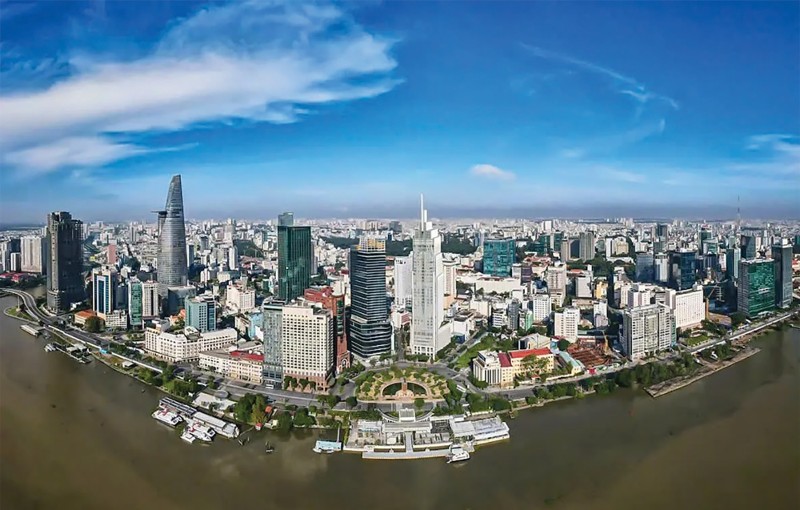
The recent establishment of the VIFC in two of the country’s major economic hubs - Ho Chi Minh City and Da Nang - is not only an institutional step forward but also a strategic choice driven by practical development needs. Ho Chi Minh City, as Vietnam’s largest economic and financial center, offers a strong foundation in banking, capital markets, and corporate activity, while Da Nang provides strategic advantages in terms of geographic positioning, governance flexibility, and potential for developing a modern, innovation-driven financial ecosystem.

Improving the legal framework

The development of the VIFC in Ho Chi Minh City (VIFC HCMC) and in Da Nang (VIFC DN) reflects a dual-pillar approach aimed at balancing scale with innovation and domestic strengths with international connectivity. The initiative is therefore not merely about establishing financial infrastructure, but about creating a comprehensive ecosystem capable of supporting long-term economic transformation, improving capital allocation efficiency, and elevating Vietnam’s position in the global financial architecture.

One of the key roles of the VIFC is to establish a legal framework and business environment capable of attracting global capital flows. At the same time, it aims to form an ecosystem operating in accordance with international standards, enabling foreign investors to access a familiar, transparent, and predictable environment, thereby increasing confidence in investing in Vietnam.

When investment funds, financial institutions, and international investors are present in Ho Chi Minh City or Da Nang, domestic enterprises, not only in these two localities but around the country, will have greater opportunities to access capital more easily and directly. Instead of having to seek funding in international markets, enterprises can connect immediately within a financial ecosystem located in Vietnam.

However, according to experts at the “VIFCs Unlocked: Vietnam’s Play to Become Asia’s Next Financial Hub” seminar, held on June 17, the VIFC is still in its early stages of development, while leading financial centers in the region such as Singapore and Hong Kong (China) have gone through decades of building reputation, institutional development, and global network expansion. Therefore, the current priority is not only to establish the model but, more importantly, to transform the initial “momentum of recognition” into substantive and sustainable progress.

According to Mr. Oscar Njuguna, Director of the Membership Department at VIFC DN, Vietnam’s top priority at the moment is to build a regulatory system that meets international standards, thereby creating familiarity, transparency, and trust for global investors.

In parallel, it is necessary to strengthen cooperation with other international financial centers in order to expand connectivity, attract cross-border capital flows, and facilitate more efficient and smoother investment activities. New technologies such as blockchain and Web3 are also opening opportunities to form a new-generation financial infrastructure, thereby helping Vietnam connect more quickly and more deeply with global financial markets.
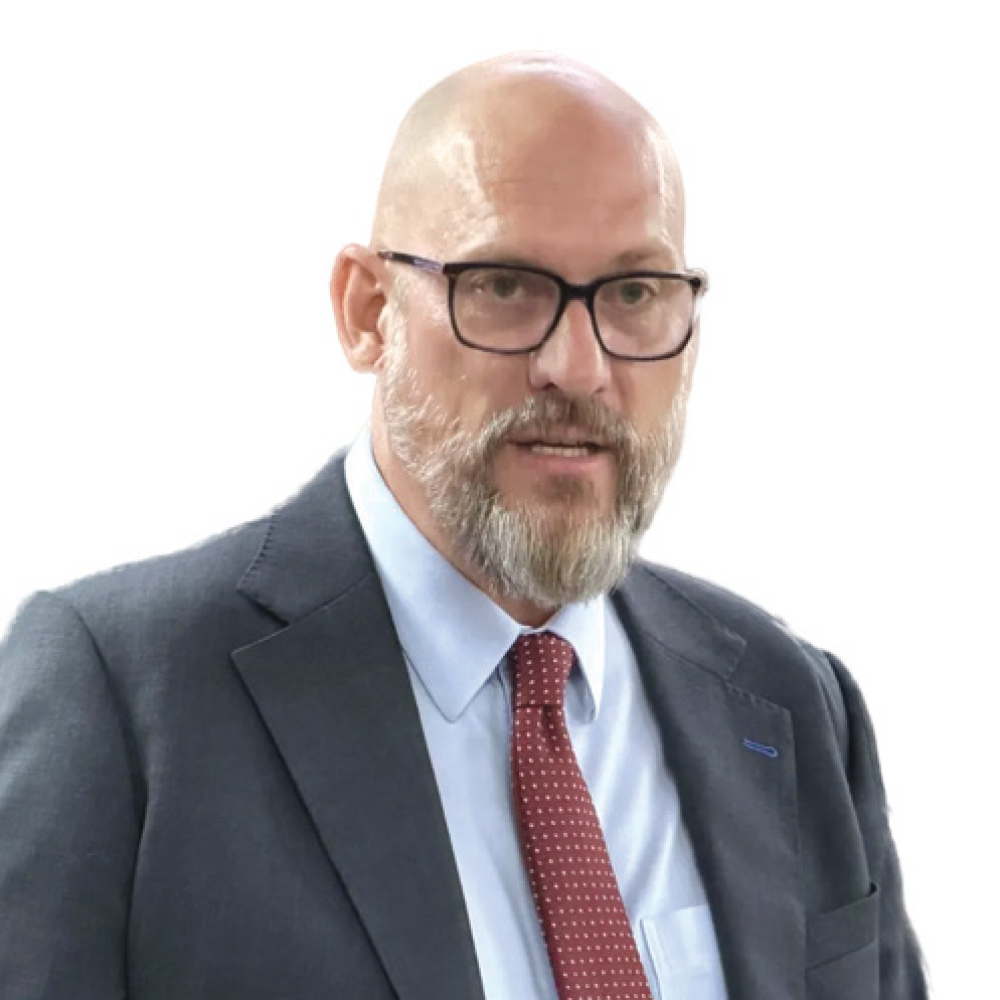
Building the VIFC will be a long journey that requires persistence and gradual trust-building with the market. If the right mechanisms and orientation are established, the benefits of the VIFC will not be limited to Ho Chi Minh City or Da Nang, but will extend to enterprises, projects, and investors around Vietnam.”

Mr. Richard D. McClellan, CEO of the Vietnam International Financial Center in Ho Chi Minh City (VIFC HCMC)

The country currently possesses several distinct competitive advantages, such as high economic growth, improving quality of life, competitive costs, and long-term development potential. The issue is to combine these advantages with an international-standard governance framework in order to form a financial center with credibility, competitiveness, and long-term sustainable development. “The VIFC is not a project of one or two years,” Mr. Njuguna emphasized. “Building an international financial center is a long-term journey that requires persistence, continuous improvement, and extensive cooperation with domestic and international partners.”

Moreover, Mr. Richard D. McClellan, CEO of VIFC HCMC, said Vietnam’s top priority at present is to complete the institutional foundation and legal framework for the VIFC. In that regard, the regulatory system must ensure transparency and predictability, accompanied by efficient licensing procedures and dispute resolution mechanisms aligned with international practices. This is considered a core factor in building investor confidence.

In addition, promoting capital flows and financial integration also plays an important role. Issues such as foreign exchange convertibility, capital repatriation rights, and the level of integration with the international banking system are factors that investors particularly care about when considering market participation.

Finally, it is necessary to comprehensively develop the financial market and ecosystem. This includes areas such as capital markets, asset management, private investment, and financial technology. Though many initiatives have been implemented, it is agreed that no single project can create a complete financial center without a synchronized, interconnected, and efficient operating ecosystem.

Human resources readiness

In addition to institutional and legal frameworks, the readiness of human resources is considered one of the key conditions determining the success and sustainable development of the VIFC. An international financial center can only operate effectively when it has a sufficiently large, high-quality workforce that meets international standards.
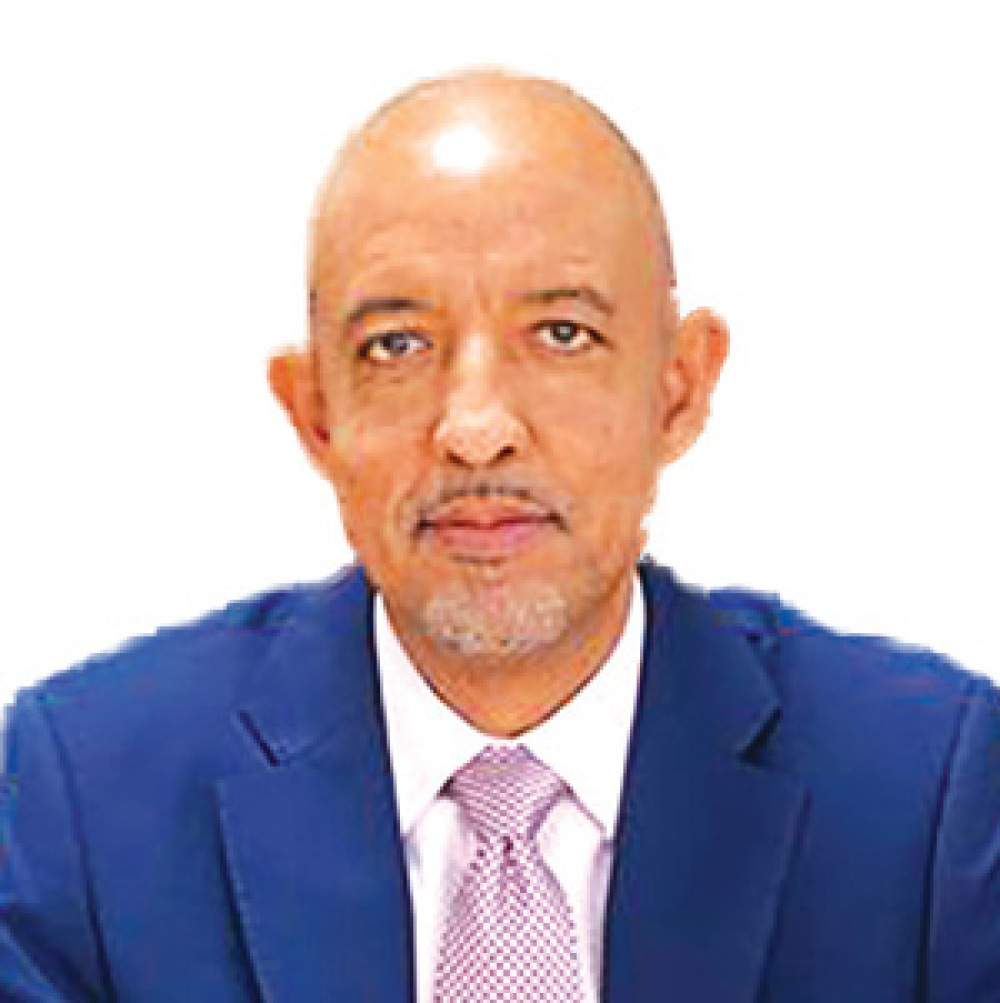
The VIFC is not a project of one or two years. Building an international financial center is a long-term journey that requires persistence, continuous improvement, and extensive cooperation with domestic and international partners.

Mr. Oscar Njuguna, Director of the Membership Department at the Vietnam International Financial Center in Da Nang (VIFC DN)

Currently, human resources remain one of the biggest challenges. In order to operate the VIFC effectively, Vietnam will need tens of thousands of experts in international finance in the years to come. However, there is still a noticeable gap between the current workforce and the practical requirements of a regional and international-scale financial center. To narrow this gap, Mr. McClellan proposed that Vietnam implement synchronized solutions in both the short and long term.

In the short term, the main focus is to invest strongly in structured education and training at the undergraduate and postgraduate levels. The VIFC should work closely with domestic universities specializing in economics and finance, international training institutions, and the private sector to develop curricula aligned with global standards and closely linked to the practical needs of the financial market.

In the long term, vocational training programs and international certification schemes also play a particularly important role. Cooperation with reputable professional training organizations from the UK and other developed countries will help rapidly enhance the capabilities of the domestic workforce, while also providing globally-recognized certifications. Through this, Vietnamese professionals can more quickly access international professional standards.

In addition, attracting foreign experts is also very important to fill the gap in skills and experience during the initial phase. According to the development orientation of the VIFC, Vietnam needs to create favorable conditions for international financial institutions to bring experts to work in the country. These experts will not only directly operate systems but also help train and transfer experience to domestic personnel. However, the development of human resources for the VIFC cannot rely on a single stakeholder; it requires the coordinated participation of many parties, from universities and training institutions to financial enterprises, recruitment companies, professional associations, and State regulatory agencies.

“Building the VIFC will be a long journey that requires persistence and gradual trust-building with the market,” Mr. McClellan said. “If the right mechanisms and orientation are established, the benefits of the VIFC will not be limited to Ho Chi Minh City or Da Nang, but will extend to enterprises, projects, and investors around Vietnam.”

Source: Phuong Nhi

Latest Posts

IMF official says few countries match Vietnam's reform drive

IMF official says few countries match Vietnam's reform drive

Few countries have carried out reforms on the scale of Vietnam in recent years, while the Southeast Asian nation’s economy has shown impressive growth and resilience in the face of external shocks, an International Monetary Fund (IMF) official said on Tuesday.

Jochen Schmittmann, the outgoing regional resident representative for the IMF Resident Offices in Vietnam, Cambodia, and Laos, made the remarks during a meeting with Vietnamese Prime Minister Le Minh Hung in Hanoi.

Also attending the meeting was Fazurin Jamaludin, who will assume the position of IMF representative for Vietnam and Laos from August 23.

The Vietnamese premier thanked Schmittmann for his contributions during his tenure, particularly his efforts to maintain policy dialogue and connect programs on training, institution-building, and capacity development.

He said the Party Central Committee's recent third plenum adopted a resolution on renewing Vietnam's development model, recognizing that the country is at a historic turning point that calls for deep and large-scale reforms.

The structural reforms are aimed at laying the foundation for long-term development and helping Vietnam achieve its two strategic 100-year goals: becoming a developing country with modern industry and upper-middle income status by 2030, and a developed, high-income country by 2045.

PM Hung said the government remains committed to pursuing economic growth while maintaining macroeconomic stability.

He underscored that Vietnam will ensure the safety of its financial and banking system, strengthen fiscal discipline, and develop capital markets to reduce its reliance on bank credit.

The country will not sacrifice macroeconomic stability or the safety of its financial and banking system for rapid but unsustainable growth, he added.

The prime minister also spoke about the upcoming National Assembly session, which is expected to consider and pass a series of bills to further improve Vietnam's legal and institutional framework in line with international standards and practices.

The move will help make the investment and business environment safer and more attractive while strengthening the confidence of businesses, investors, and international partners, he said.

PM Hung described the IMF as a strategic policy advisory partner and a trusted companion in Vietnam's socioeconomic development.

The government values the IMF's assessments and recommendations and considers them an important source of information for policymaking and implementation, he said.

PM Hung expressed hope that during Jamaludin's tenure, the IMF office would continue to serve as an important and proactive bridge, maintain regular policy dialogue, and offer practical advice to support Vietnam's goal of rapid and sustainable growth.

Echoing the prime minister's sentiments, Schmittmann spoke highly of the strong cooperation between Vietnam and the IMF, praising the country's impressive economic growth, effective response to external shocks, and significant reforms.

Few countries have been able to carry out reforms on the scale Vietnam has in recent years, he said.

He also lauded Vietnam's key development priorities, particularly its efforts to make breakthroughs in science and technology, innovation, and digital transformation.

Vietnam still has room to further accelerate growth, particularly by ensuring effective coordination between fiscal and monetary policies and other policy measures, Schmittmann said.

He offered several specific recommendations and affirmed the IMF's full support for Vietnam's goal of achieving double-digit economic growth, as well as its efforts in the financial, monetary, and banking sectors.

For his part, Jamaludin noted that Vietnam is entering a new phase of development with promising prospects and expressed his impression of the country's ambition to achieve double-digit growth.

He said he hoped to build on the positive results of cooperation between the IMF and Vietnam during his tenure.

The IMF stands ready to remain a trusted partner and work with and support Vietnam in realizing its development goals and priorities in the coming period, Jamaludin said.


Resolution 10: Turning ESG commitments into action for quality FDI

Resolution 10: Turning ESG commitments into action for quality FDI

VOV.VN - Moving beyond mere GDP growth, global capital now demands Environmental, Social, and Governance (ESG) standards for high-quality FDI in Vietnam. Yet, a clear gap persists between the country's ESG commitments and its actual implementation.

Current state of ESG implementation

ESG serves as a set of criteria evaluating corporate sustainability across three pillars: Environmental, Social, and Governance. No longer a mere compliance requirement, ESG has become an essential benchmark for investors assessing risk and allocating capital.

According to PwC’s 2025 survey on ESG progress in Vietnam, roughly 89% of surveyed enterprises have established or plan to establish ESG commitments within the next two to four years; 61% have formulated structured ESG strategies; and 41% have integrated ESG into their core business models. This indicates a marked shift in corporate awareness regarding sustainable development, moving from short-term growth mindsets toward long-term orientation. ESG is gradually becoming a central component of governance and investment strategy.

However, experts note that the proportion of businesses truly embedding ESG into core operations, governance, and long-term strategy remains low.

Dr. Tran Van Khai, Vice Chairman of the National Assembly’s Committee on Science, Technology and Environment, points out that Vietnamese enterprises face numerous hurdles in implementing ESG.

"ESG remains a new field in Vietnam. Although adoption has accelerated in recent years, the country still lacks a unified nationwide guidance framework and criteria. Financial constraints, technological limitations, and a shortage of high-quality human resources pose major barriers to corporate ESG practice," Khai says.

For small and medium-sized enterprises (SMEs), practicing ESG presents an obstacle and is often seen as a compliance cost rather than a strategic investment, while short-term profit pressures leave many hesitant to allocate resources for transformation.

In addition, Vietnam’s legal framework and supporting ecosystem for ESG are not yet fully developed, while fragmented guidelines and oversight mechanisms make it difficult for businesses to adopt ESG systematically, effectively, and in line with international standards.

Dr. Nguyen The Binh, Director of the Banking Science and Technology Research Institute at Banking University of Ho Chi Minh City, points out a wide divide between making ESG commitments and actually putting them into practice.

"About 60% of businesses report a lack of expertise due to numerous unapplied guidelines and frameworks; 46% cite enterprise size as an obstacle; and 28% indicate a lack of transparent information. Measuring and evaluating ESG performance in Vietnam is also difficult due to the absence of unified assessment tools and standardized criteria. Balancing environmental, social, and governance factors is a tough challenge, as ESG demands a comprehensive transformation of core internal elements, from corporate culture and strategic thinking to actual operations," Binh stresses.

Refining institutions to turn ESG into competitive edge

With international investors sharply focused on sustainable development and risk transparency, ESG has become an entry ticket for capital allocation.

Dr. Le Xuan Nghia, Director of the Center for Development Consultation (CODE), emphasizes that Vietnamese businesses have no choice but to pursue green growth and meet ESG criteria.

"Vietnamese enterprises rely almost entirely on commercial bank credit without alternative funding sources. Although global green capital and energy transition funds are abundant, domestic firms face very limited access. In an environment where investment capital grows increasingly cautious and international requirements become stricter, ESG is no longer a superficial bonus to polish profiles, but a mandatory condition to enter global supply chains and access long-term, low-cost capital," Nghia states.

As Vietnam integrates deeper into the global market, businesses must stop treating ESG as a compliance burden and instead leverage it as a competitive advantage through practical action. Craig Martin, Executive Chairman of Dynam Capital, says that ESG is a prerequisite for Vietnamese firms to access international capital. International investors no longer look at paper commitments; they evaluate actual execution, transparency, and operational capability.

Resolution No.10 on foreign investment development sets the goal of positioning Vietnam as a competitive destination for high-quality, medium- and long-term foreign capital. Translating the resolution into concrete policies that support and invest in effective ESG practice is key to making Vietnamese firms attractive to foreign investors.

Dr. Tran Van Khai outlined three immediate priorities to ensure genuine ESG adoption:

First, build tailored ESG criteria and implementation guidelines for specific business groups and sectors, with the Government and National Assembly guiding and supervising implementation.

Second, given the substantial investment costs of ESG, appropriate financial mechanisms must be created to help enterprises, especially SMEs, access green capital and sustainable finance. Third, train and develop high-quality human resources, a key factor enabling businesses to execute ESG in practice, from strategy building and operations to measurement and reporting, ensuring ESG moves beyond guidelines into concrete action.

Vietnam holds significant advantages in attracting international capital, but funds will flow to the most trusted destinations rather than the fastest-growing ones. Genuine and effective ESG adoption serves as the "pass" for both the economy and domestic enterprises to enhance competitiveness and draw high-quality FDI. Achieving this requires supportive state policies to help businesses narrow the gap between commitments and sustainable ESG practice.

SBV faces tough monetary management amid high capital demands

SBV faces tough monetary management amid high capital demands

The disparity between credit growth and deposit growth is creating a fierce underlying deposit raising race among commercial banks.

HÀ NỘI — While the capital market is underdeveloped, the banking system is burdened with the responsibility of supplying capital beyond its actual capacity, causing a fierce deposit raising competition and putting heavy pressure on the State Bank of Vietnam (SBV)’s monetary policy management.

Việt Nam’s economic development strategy for the 2026-2030 period sets an ambitious GDP growth target of 10 per cent or more per year.

According to detailed calculations from BIDV Research, to achieve this goal, the required average investment capital will be around US$250-260 billion per year. Looking further ahead to 2045, the economy's capital needs could reach $500 billion per year.

However, the Vietnamese economy still relies heavily on bank credit, with this channel consistently accounting for 50-60 per cent of the total capital supply.

Meanwhile, long-term capital channels such as the corporate bond market only account for a modest 3-6 per cent, and the stock market contributes about 10-18 per cent.

Phạm Xuân Hòe, former deputy director of the Institute of Banking Strategy, said that banks are simultaneously burdened with three heavy responsibilities: acting as payment intermediaries, providing short-term capital and financing medium- and long-term capital.

The consequence of this situation is that the balance sheets of the banking system are constantly overloaded, he noted.

Currently, about 80 per cent of deposits in Việt Nam have maturities of less than 12 months, while medium- and long-term loans once accounted for up to 47 per cent of total outstanding loans.

According to SBV data, as of June 15, credit growth reached 6.35 per cent, but deposit growth only reached 4.3 per cent. This 2 per cent gap forces banks to attract deposits in a variety of ways.

The disparity between credit and deposit growth is creating a fierce race to raise deposits among commercial banks. Meanwhile, depositors are easily misled by the varying interest rates offered.

While the listed interest rate on banks’ websites for a six-month term is only around 6 per cent per year, customers can actually receive 9-10 per cent per year through special conditions related to balances or certificates of deposit.

At one private bank, customers depositing VNĐ200 million or more are offered an interest rate of 8.5 per cent per year. Some even offered 9 per cent for deposits of VNĐ1 billion or more.

Chairman of Vietcombank’s board of directors Nguyễn Thanh Tùng pointed out the obstacles related to the imbalance of capital sources. According to Vietcombank's calculations, to achieve 10 per cent GDP growth, the investment rate needs to reach 40 per cent of GDP, but the average domestic savings rate is currently only 36.5 per cent.

If the growth of unofficial sectors is excluded, the accumulated domestic capital deficit is even more severe.

Tùng confirmed that his bank always adheres to directives on interest rate levels, so raised capital is currently insufficient to meet growth needs.

Although Vietcombank's loan-to-deposit ratio is below 70 per cent, a safe level compared to the SBV's 80 per cent ceiling, the bank still warned that there will not be enough capital for large projects in the future.

Tùng proposed raising capital from external sources by allowing the Ministry of Finance to issue international bonds to leverage national prestige and obtain the best possible interest rates.

He also expressed a desire for the capital market, especially the corporate bond market, to develop more rapidly.

The current size of Việt Nam's corporate bond market is only equivalent to about 10 per cent of GDP, significantly lower than other countries in the region such as Thailand and Malaysia.

SBV Governor Phạm Đức Ấn admitted that pressure to raise capital is making the central bank’s interest rate management difficult.

When capital demand is high but raised capital is limited, rising deposit interest rates will cause higher lending interest rates, directly impacting enterprises. To alleviate this pressure, the SBV is working to prevent commercial banks from engaging in extreme competition for capital mobilisation.

As for long-term solutions, the governor said the SBV is studying expanding the scope of eligible foreign currency loans serving investment purposes, especially for import businesses.

In addition, the amended Law on Credit Institutions allows commercial banks to manage collateral assets for businesses issuing bonds. This is expected to be a breakthrough, because many investors are currently hesitant about the collateral assets of corporate bonds, such as real estate, or assets formed from borrowed capital.

Only when banks participate in this asset management process can the bond market develop enough to alleviate the burden of medium- and long-term capital requirements in the banking system.


See all blog