Experts forecast that in 2026 a stronger shift towards outlying areas, especially projects linked to public transport and green standards, will shape product trends and developers’ strategies.
HCM CITY — The southern housing market is showing clear signs of recovery as macroeconomic conditions stabilise and a series of major infrastructure projects progress rapidly.
New supply in HCM City and neighbouring provinces has increased strongly, led by high-end apartments and low-rise housing, with owner-occupier demand continuing to dominate.
Experts forecast that in 2026 a stronger shift towards outlying areas, especially projects linked to public transport and green standards, will shape product trends and developers’ strategies.
New infrastructure has emerged as a powerful growth driver.
At the “Connecting the Present, Shaping the Future” Housing Real Estate Forum, property consultancy CBRE Việt Nam reported that the outlook for the southern housing market in 2025 and beyond would be reinforced by a stable macroeconomic environment, the region’s GDP growth target of 8 per cent and spillover effects from strategic transport projects.
According to Dương Thùy Dung, managing director of CBRE Việt Nam, the stabilised lending interest rate environment has supported both end-user and investment demand, though the market still needs time to absorb new supply.
The most significant push comes from major transport infrastructure, including Ring Roads Nos.3 and 4, Long Thành International Airport, the Biên Hòa-Vũng Tàu Expressway, the Bến Lức-Long Thành Expressway, and the expanding metro network in the city.
These projects reduce travel times between localities and create strong momentum for rapidly developing satellite urban centres.
The city housing market is expected to see around 12,000 new products in 2025 – 7,600 apartments and 4,400 low-rise houses.
In the apartment segment, high-end and luxury supply is set to dominate, accounting for 90 per cent of new launches, with average selling prices in the last quarter projected to rise by 18 per cent year-on-year.
Among the former provinces – including Bình Dương Province, Long An Province and Bà Rịa–Vũng Tàu Province – Bình Dương alone is projected to add more than 15,800 units, mostly apartments. Long An is expected to supply around 1,300 units, while Bà Rịa-Vũng Tàu is forecast to contribute over 800 low-rise homes.
In addition, Đồng Nai Province is projected to deliver approximately 9,400 units, with low-rise houses making up about 75 per cent of its total.
Across the five key southern localities, total new supply may exceed 39,300 units, double the volume in 2023-24.
Experts say the emergence of new ring roads and expressways is reshaping the region’s urban landscape.
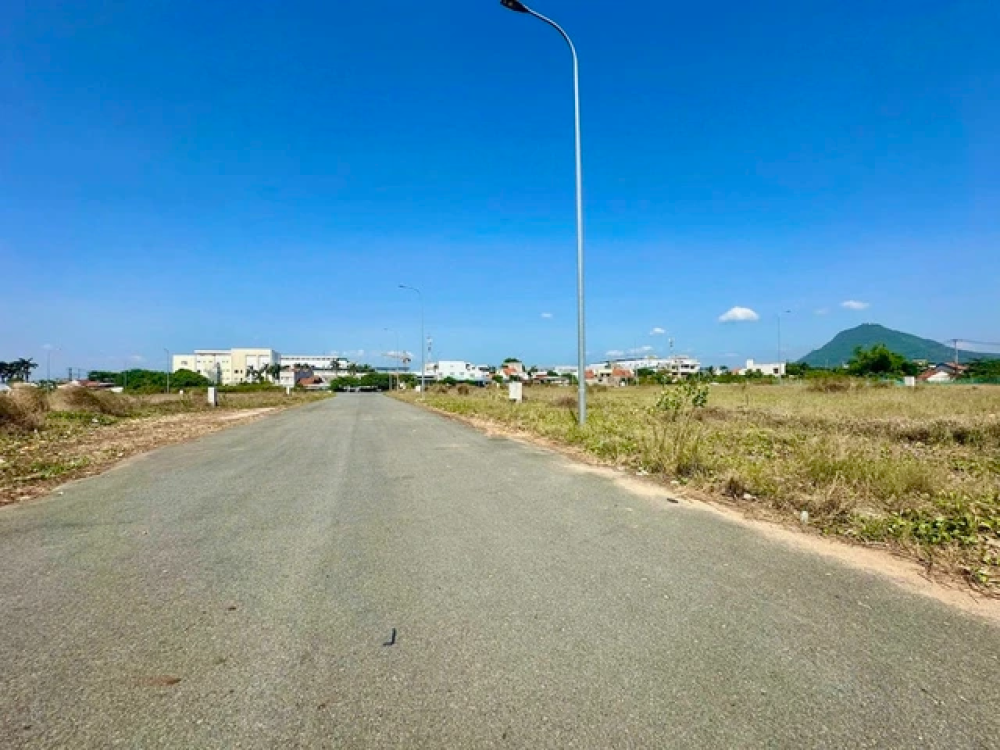
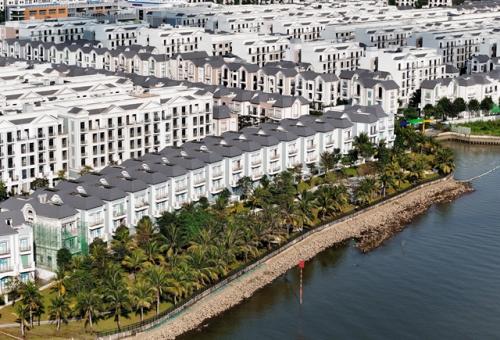
The city will increasingly concentrate on high-end and luxury developments, while surrounding provinces will expand low-rise housing, ecological townships and projects oriented towards public transport.
This fuels a continuing outward shift, as residents seek larger living spaces while commuting times fall to 30-45 minutes.
A representative of a developer in Đồng Nai said buyers were now more cautious, shifting away from speculative activity towards long-term value.
Areas near future metro stations, Ring Road No.3 interchanges or connectors leading to Long Thành were becoming investment hotspots.
Buyers now would prioritise amenity quality, green standards and occupancy rates instead of seeking the lowest prices.
Green living and transit-oriented development (TOD) are also shaping demand.
Võ Huỳnh Tuấn Kiệt, director of residential at CBRE Việt Nam, said two major trends, transit-oriented development and green real estate, were becoming defining pillars of the market.
TOD would form the backbone of urban development, he reckoned.
Projects positioned along metro lines, bus rapid transit corridors or ecological routes typically achieved higher absorption due to reduced commuting times and integrated services.
Meanwhile, green criteria had become essential for younger buyers.
CBRE data shows that new launches in the city have an average selling price of around VNĐ90 million (US$3,700) per square metre, yet absorption remains healthy, particularly in the high-end and luxury segments.
In neighbouring markets, prices are 30-50 per cent lower, aligning well with the budgets of young families purchasing for long-term residence.
Lê Thị Thùy Trang, who lives in Cầu Kiệu Ward and is seeking a home in Hiệp Bình Ward, said her family would prioritise projects near metro lines and with ample green amenities for children.
Although prices are higher, she said the improved living environment and convenience would justify the cost.
New townships in Đồng Nai and Bình Dương Province incorporate parks, running tracks, schools and commercial centres.
Low-rise houses remain popular due to their generous living spaces, which suit multigenerational households.
CBRE Việt Nam expects the southern market to add up to 50,000 new housing units in 2026.
Greater diversity of location, segment and product quality is promoting healthy competition, prompting developers to raise design standards, amenities and service quality.
Economists say this competition benefits buyers since developments become more transparent, better equipped and more efficiently operated.
CBRE representatives said the region’s abundant land availability, excellent connectivity and competitive pricing continued to attract developers from South Korea, Singapore and Japan.