Vietnamese consumers remain upbeat on finances despite inflation pressures
Consumer sentiment in Vietnam is slightly softer compared with last year, yet optimism about the future remains strong.
While rising living costs, environmental risks, and long-term financial obligations are prompting greater caution, 80 percent of Vietnamese consumers expect their personal financial situation to improve, up from 77 percent in 2025, according to the UOB's 2026 ASEAN Consumer Sentiment Study (ACSS), the bank's flagship regional report analyzing consumer trends across Singapore, Malaysia, Thailand, Indonesia, and Vietnam.
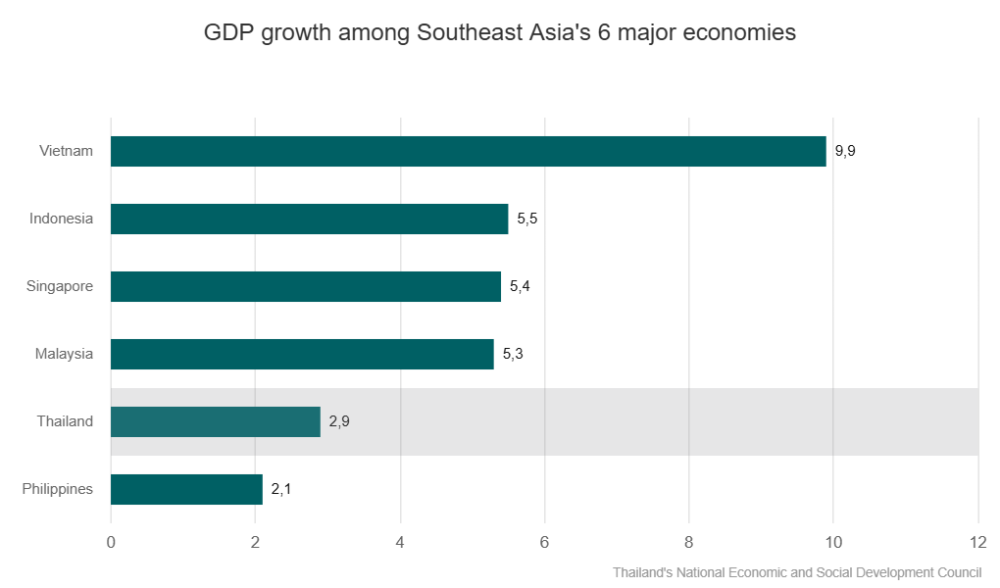
At a macro level, Vietnamese consumer sentiment regarding current and future economic conditions remains unchanged from 2025, with 84 percent maintaining a positive outlook, supported by strong economic growth in the first half of 2026.
"Vietnam's continued position as ASEAN's most optimistic market reflects strong consumer confidence in the economy's long-term growth prospects," said Mr. Paul Kim, Head of Personal Financial Services at UOB Vietnam. "Balancing optimism with prudent financial management enables households to navigate short-term challenges while staying proactive in capturing future opportunities."
However, concerns have deepened around the surrounding environment (81 percent), personal finances (80 percent), work-related matters (72 percent), and health and well-being (71 percent).
Unlike regional peers who are primarily worried about inflation-driven living costs, Vietnamese consumers cite climate change, natural disasters, and pollution as their top concern at 65 percent, up from 61 percent in 2025. With much of Vietnam's population and economic activity concentrated along coastlines, communities and businesses remain exposed to rising sea levels and extreme weather.
Meanwhile, inflation and mounting household expenses continue to weigh on budgets, with 52 percent of respondents saying inflation has eroded their household purchasing power. One in four (25 percent) worry about their ability to save, 23 percent are concerned about affording essentials, and 22 percent worry about covering their parents' healthcare and financial needs amid Vietnam's aging population, where people aged 60 and above are projected to make up roughly 25 percent of the population by 2050.
To stretch their budgets, 33 percent of consumers are cutting non-essential spending, 30 percent are tracking expenses, and 26 percent are seeking better deals.
On the macroeconomic front, UOB forecasts Vietnam's inflation to remain stable within the 3.5 to 4 percent range, backed by government policy measures. Mr. Kim noted that shifting political dynamics following the US midterm elections could slow fiscal spending and tax decisions, helping stabilize interest and exchange rates to the benefit of emerging markets including Vietnam.
For Vietnamese consumers, wealth extends beyond financial assets. Providing for family was cited as the top measure of wealth at 37 percent, followed by good physical health (34 percent) and owning a specific level of financial assets (34 percent). Additionally, 25 percent associate wealth with making a positive social impact and maintaining strong social connections, higher than the regional average.
Economic uncertainty, unexpected expenses, and the high cost of living were equally cited as top barriers to achieving wealth, at 24 percent each. While 85 percent of Vietnamese consumers are open to discussing wealth with family (above the ASEAN average of 80 percent), they favor independent decision-making, supported by financial advisors (40 percent, versus the 32 percent regional average) and digital wealth management tools (85 percent).
Digital tools are mainly used to gain financial insights (30 percent), track cash flow (29 percent), and manage investments (28 percent), with users prioritizing security and privacy (31 percent), customization (29 percent), and fee transparency (27 percent). Still, human relationship managers remain vital for navigating fees (33 percent) and receiving investment advice (32 percent), valued for trust (33 percent) and personalized guidance (31 percent).
More than half of Vietnamese consumers use AI tools daily for financial activities, and nearly nine in 10 have made financial decisions with AI assistance, primarily to compare banking products (38 percent), understand financial documents (33 percent), and manage budgets (30 percent). Within banking, consumers favor AI-driven personalized savings nudges (49 percent), smart product recommendations (43 percent), and overspending alerts (42 percent).
However, high usage does not equate to full trust. Vietnamese consumers still place greater trust in family and peers (82 percent), human financial advisors (77 percent), and budgeting apps (76 percent) than in AI platforms to act in their best financial interests.
Overall, 92 percent of Vietnamese consumers feel confident managing their personal finances, down two percentage points from 2025. The share saving at least 10 percent of their income rose from 82 percent in 2025 to 89 percent in 2026, well above the regional average of 77 percent. Furthermore, 92 percent maintain an emergency fund, and 59 percent have saved enough to cover three to six months of expenses, up two percentage points year on year.
Nearly two in five hold life insurance, while about one-third have basic health and personal accident coverage. Over three in four spend up to 15 percent of their annual salary on insurance premiums. Meanwhile, the proportion investing more than 10 percent of their annual income climbed from 57 percent in 2025 to 63 percent in 2026, surpassing the regional average of 58 percent, with 40 percent of investors reporting a high risk appetite.
Longer-term planning, however, shows signs of caution, as the share of consumers confident about their retirement savings target dipped from 83 percent in 2025 to 77 percent in 2026.
Source: Van Nguyen