Vietnam seeks to extend fuel tax relief measures through September
Vietnam’s Ministry of Finance has proposed extending a package of fuel tax relief measures through September 30, including a zero-percent preferential import tariff, a zero-rate environmental protection tax, and a value-added tax exemption, in a move to stabilize domestic fuel prices and support energy security amid volatile global oil markets.
The ministry on Wednesday began receiving public feedback on a draft government resolution that would maintain the preferential import tariff on gasoline, oil products, and related inputs at zero percent from July 1 through September 30.
The proposal would also keep the environmental protection tax at zero dong and maintain the value-added tax exemption on gasoline, oil products, related inputs, and aviation fuel through September 30.
The resolution is expected to take effect from July 1 through September 30, continuing fuel tax relief measures first introduced under Government Decree 72/2026 and later extended through June 30 under Resolution 25.
If changes to the implementation period are deemed necessary to support socio-economic development, ensure energy security, or stabilize the market, the Ministry of Industry and Trade will submit recommendations to the finance ministry for consideration by the government.
According to the finance ministry, the tax relief measures were introduced after conflict in the Middle East disrupted shipping through the Strait of Hormuz and drove up global energy prices.
Although oil prices have eased since shipping traffic through the region resumed, they remain above pre-conflict levels.
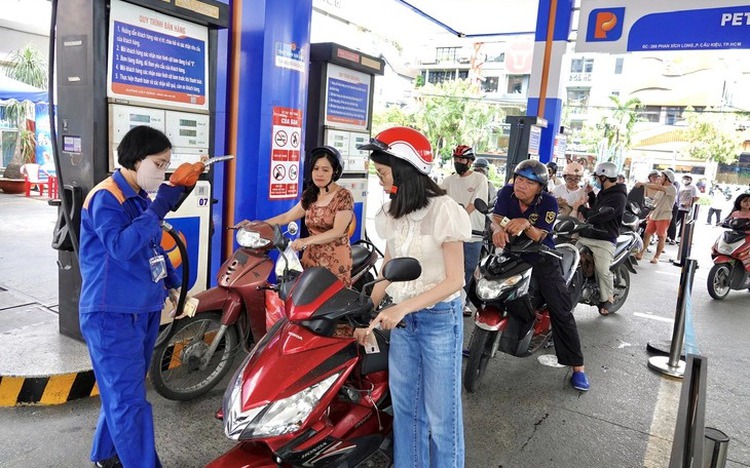
Domestic retail fuel prices fell sharply following the June 18 fuel price adjustment, reaching their lowest levels in about three months.
However, E10 and E5 gasoline prices remain 9.2 percent and 5.9 percent higher, respectively, than before the conflict, while diesel prices are still 23.86-33.84 percent above pre-conflict levels.
The ministry said risks remain in the global oil market as geopolitical tensions could flare up again.
It noted that much of the fuel currently sold in Vietnam was imported or stockpiled when prices were higher, while lower-cost supplies will take time to reach the domestic market.
Because fuel is a major input cost for sectors such as transportation, logistics, and fisheries, immediately restoring tax rates to their pre-support levels could drive up retail prices and add pressure to household budgets and inflation, the ministry said.
The extension is expected to help stabilize the domestic fuel market while supporting broader economic growth and macroeconomic stability amid ongoing global uncertainties.
It would also help businesses diversify fuel supply sources beyond ASEAN markets, reduce dependence on a limited number of suppliers, and strengthen energy security.
According to the ministry, maintaining the current tax measures through September is expected to reduce state budget revenue by about VND15.4 trillion (US$584.7 million) from July 1 to September 30.
Under Decree 72/2026, issued on March 9, import tariffs on unleaded gasoline and blending components such as naphtha and reformate were reduced from 10 percent to zero percent.
Tariffs on diesel, fuel oil, jet fuel, and kerosene were cut from seven percent to zero percent, while several petrochemical feedstocks, including xylene, condensate, and paraxylene, also saw their tariffs reduced to zero percent.
Other cyclic hydrocarbons saw tariffs lowered from two percent to zero percent.
The decree was originally scheduled to expire on April 30 before the government issued Resolution 25, extending its application through June 30.
Source: Vinh Tho - Le Thanh / Tuoi Tre News
Photo: T.T.D. / Tuoi Tre