Vietnam manufacturing growth eases in October as export orders fall
The Vietnamese manufacturing sector continued expansion in October, although price increases and supply issues limited growth in some cases.
The S&P Global Vietnam Manufacturing Purchasing Managers' Index ticked up to 52.3 points in October from 51.9 points in September, pointing to a further modest monthly strengthening in the health of the sector at the start of the fourth quarter. Business conditions have now improved in 16 consecutive months.
The overall improvement in operating conditions was limited by slower rises in output and new orders. Total new business rose for the sixth month running, despite falling new export orders weighing on growth. The rate of expansion was solid, but the slowest in the current growth sequence.
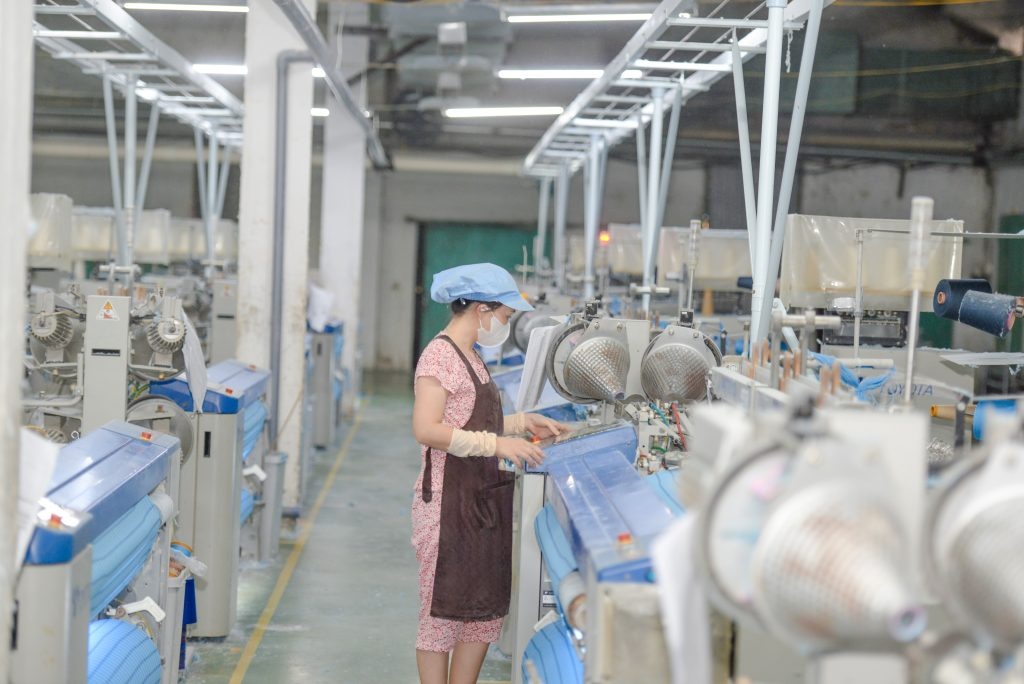
Manufacturing production expanded again in October as new orders increased on stronger customer demand. However, growth also eased here, hitting a six-month low. Some respondents said difficulties obtaining raw materials had limited production growth.
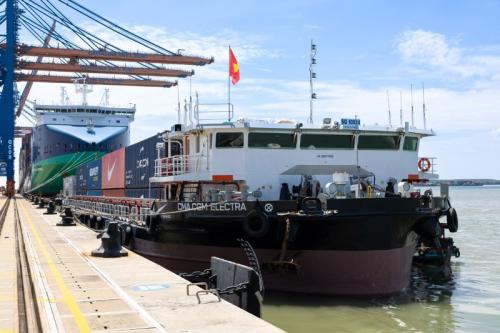
Transportation difficulties were evident in data on suppliers' delivery times, which lengthened markedly and to the largest extent since April. Rising fuel prices and poor weather conditions were among the factors leading to transportation delays, according to respondents.
Difficulties importing goods and the use of inputs to support production meant that stocks of purchases decreased solidly, despite sustained growth of input buying as companies made efforts to secure goods to support production.
Rising transportation costs were also central to the latest rise in input prices as higher costs for oil pushed up fuel prices. The rate of inflation quickened for the second month running and was the fastest since June, albeit still well below the spike seen following the outbreak of war in the Middle East. In turn, output prices also increased at a sharper pace, following only a slight rise in September.
Employment fell for the third consecutive month in October, though only slightly, with some firms citing staff resignations. Despite the smaller workforce, slower new order growth and more efficient processing of outstanding work allowed firms to reduce backlogs modestly.
Stocks of finished goods also fell as firms sold warehoused goods to draw down inventories. Post-production stocks decreased markedly, though slightly less than in September.
Optimism about better raw material availability and further improvements in market conditions supported a positive 12-month outlook for production. Sentiment hit an eight-month high but remained weaker than before the war in the Middle East.
Andrew Harker, economics director at S&P Global Market Intelligence said, "Vietnamese firms are battling to maintain growth at present amid headwinds that are making their operations more challenging. New orders continued to rise in October, feeding through to a solid increase in production, but in both cases rates of expansion slowed from September."
"The limits to growth were often due to the international environment. Fuel and transportation costs rose amid higher oil prices, while companies reported difficulties importing and exporting products. While firms are able to maintain improvements for now, they will be hoping for a more conducive environment to growth in the months ahead," he added.
Source: Thanh Van