
Vietnam cannot stand apart from global interest rate trend: central bank
The U.S. Federal Reserve is likely to continue raising interest rates, and Vietnam cannot stand apart from the global interest rate trend, the State Bank of Vietnam’s monetary policy chief Pham Chi Quang said.
Monetary policy prioritizes inflation control
As of September 30, outstanding credit across the banking system stood at about VND20,750 trillion ($798.68 billion), up 11.59% from the end of 2025 and 16.69% from a year earlier, the SBV said. This means bank credit had injected about VND2,200 trillion ($84.68 billion) into the economy in just nine months.
The figure highlights the continued role of bank funding in supporting growth. But rapid credit growth also puts greater pressure on monetary policy, particularly as Vietnam is pursuing double-digit economic growth in 2026.
2026 is the first year of implementing the 14th National Party Congress resolution and the 2026-2030 socio-economic development plan, with a target of double-digit growth while maintaining macroeconomic stability and controlling inflation.
This means credit cannot simply be viewed in terms of "injecting more capital", according to SBV Deputy Governor Pham Thanh Ha. The SBV said it had conducted monetary policy proactively and flexibly during the first nine months, in line with market developments and with a focus on keeping average inflation at around 4.5% in 2026.
The pressure on monetary policy is becoming more apparent in price developments. The National Statistics Office said the consumer price index rose 0.62% in September from the previous month and 5.08% from a year earlier. In the first nine months, CPI rose 4.52%, above the 4.5% target set in the government's Resolution 01/NQ-CP.
"These are the highest increases for September and the nine-month average in many years, showing that the pressure to manage prices and control inflation in the final months of 2026 is very high," Ha stressed.
Pham Chi Quang, director of the SBV's monetary policy department, also noted that the 4.52% increase in CPI in the first nine months showed there was limited room for monetary easing. If credit continues to grow rapidly while cost shocks from energy and global commodities persist, price pressures could intensify.
In other words, the need to control inflation is becoming one of the key constraints on the scope for deeper interest rate cuts.
Domestic rates cannot be separated from global trend
After analyzing the global backdrop, Quang said Vietnam's interest rates could not stand apart from the international monetary policy trend.
On September 16, the Fed raised its benchmark interest rate by 25 basis points, bringing the federal funds target range to 3.75-4%. Several other major central banks also raised rates in September, increasing pressure on highly open economies such as Vietnam.
The monetary policy department chief said the Fed was likely to continue raising rates and Vietnam could not stand outside the global interest rate trend. Policymakers therefore need to find a balance between interest rates and the exchange rate rather than pursue a single objective, he said.
Domestic interest rate developments also show that the pressure has emerged. As of September 20, the average deposit rate for newly generated transactions stood at 6.38% a year, up 1.15 percentage points from the end of 2025, Deputy Governor Ha said. The SBV said interest rates remained under upward pressure, although the pace of increase had slowed and rates were settling around a new level.
Meanwhile, the SBV has kept its policy rates unchanged and asked credit institutions to stabilize market interest rates, disclose lending rates, and coordinate efforts to lower both deposit and lending rates.
Notably, interest rate pressure is not coming solely from domestic monetary policy. When global rates rise, the interest rate differential between the dong and U.S. dollar, capital flows and exchange rate expectations can all change. Cutting domestic rates too quickly could therefore put pressure on the exchange rate, while keeping rates too high for too long could increase companies' funding costs.
Quang said, however, that the exchange rate had been a positive variable, helping the SBV absorb some external shocks.
The Vietnamese dong has gained about 1.12% against the U.S. dollar, while many other Asian currencies have weakened by 2-7%. The move is notable as the Fed has just raised rates and the dollar has strengthened in global markets.
The resilience of the exchange rate has also been reflected in market developments. The SBV said it had managed the exchange rate flexibly while coordinating monetary policy tools to absorb external shocks, stabilize the foreign exchange market, and help control inflation. The legitimate foreign currency needs of the economy had been fully and promptly met, while the USD/VND exchange rate was managed flexibly in line with market conditions.
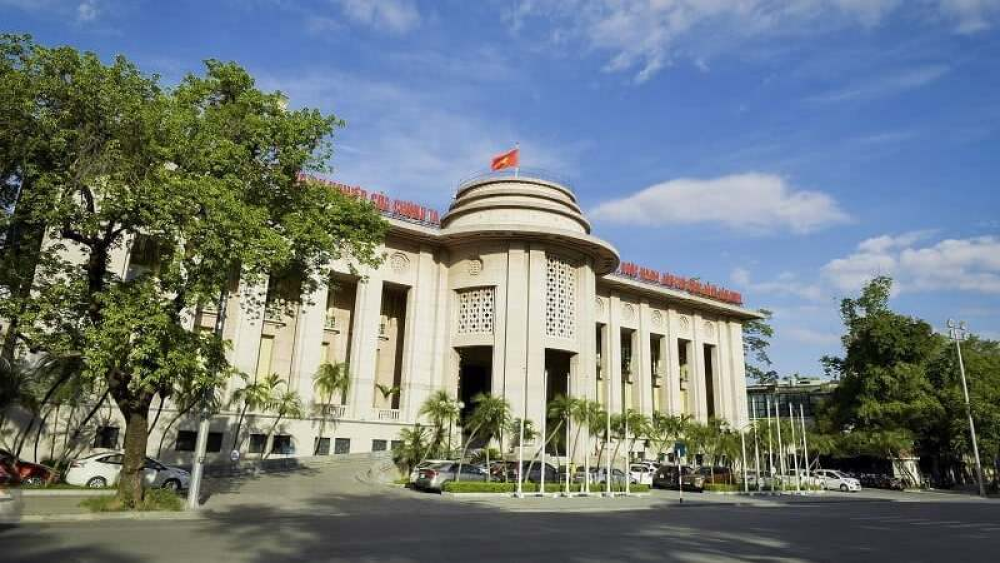
SBV to maintain flexible policy in fourth quarter
On monetary policy in the final quarter, Deputy Governor Ha said the global economy would continue to face numerous risks, with geopolitical factors, energy prices and fluctuations in the global economic and financial markets potentially weighing further on Vietnam's economy.
Recent data show that Vietnam continues to face significant pressures given its high degree of economic openness. The SBV will continue to conduct monetary policy proactively and flexibly while coordinating policies to help maintain macroeconomic stability, stabilize markets and support economic growth.
On interest rates, the SBV will closely monitor market developments and adjust policy in line with macroeconomic conditions, inflation developments and policy objectives. It will also take appropriate liquidity-management measures to ensure commercial banks' ability to make payments, while closely monitoring international markets and managing the exchange rate flexibly.
On credit, the SBV will continue to adjust policy in line with macroeconomic developments and the economy's capacity to absorb capital, supporting growth while ensuring the safety of credit institutions.
"Credit institutions are required to ensure safe and effective credit growth, while strictly controlling lending to potentially risky sectors; continue implementing credit programs and packages at the direction of the government and the SBV, ensuring effectiveness and making it easier for people and businesses to access capital," Ha said.
Banks must also continue improving the quality of their operations by strictly complying with regulations, ensuring safety and efficiency, controlling non-performing loans, and limiting the emergence of new risks.
Source: Dinh Vu, Thai Ha