Lumen Vietnam Fund

Blog

Vietnam's wealth management market offers hundreds of billions of US dollars in growth potential

Vietnam's wealth management market offers hundreds of billions of US dollars in growth potential

As Vietnam’s middle class expands rapidly and demand for wealth accumulation rises, the country’s wealth management market is entering a strong growth phase, with potential to reach hundreds of billions of U.S. dollars in the coming years.

Wealth management and personal financial planning are drawing increasing attention, particularly as the pursuit of financial freedom becomes more widespread. However, experts say financial freedom is not a short-term destination but rather a long-term process shaped by each individual’s goals, capabilities and lifestyle choices.

In practice, an excessive focus on achieving financial freedom can also create significant mental pressure. Many people experience anxiety over not yet reaching their desired level of wealth, purchasing homes or cars, or retiring early as planned.

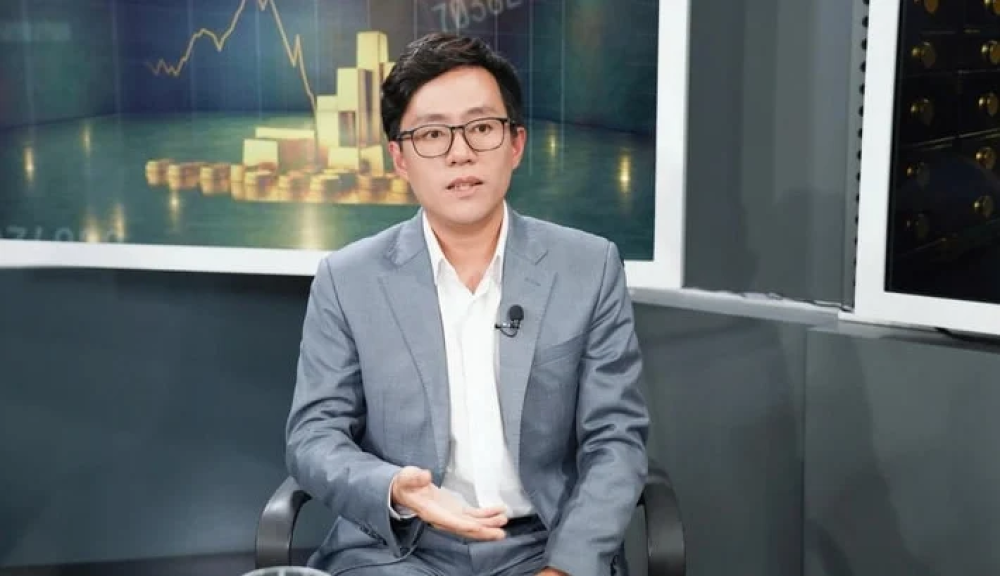
Speaking on the Asset Box program, Nguyen The Minh, director of investment banking and deputy director of securities business at An Binh Securities, said people need to be equipped early with knowledge of wealth management and personal finance, while remaining committed to long-term financial plans.

Asked about the concept of financial freedom, Minh said it is important to distinguish between “financial independence” and “financial freedom.” Financial independence refers to the ability to make life decisions without relying on others financially, while financial freedom carries a broader meaning, allowing individuals not only to cover living expenses but also pursue the lifestyle and aspirations they desire.

Minh noted wealth management activities in Vietnam remain at an early stage, particularly in terms of public mindset. Assets are still concentrated mainly in traditional channels such as real estate, gold and bank savings.

Although the number of securities accounts in Vietnam has surpassed 12 million, many investors still view stocks as a “quick-profit” channel rather than a long-term investment requiring knowledge and risk management, he added.

“Vietnam is currently transitioning from a savings-focused mindset toward investment for returns, but it has not yet fully entered the stage of professional wealth management,” Minh said.

According to Minh, the mindset of growing wealth to achieve financial freedom is becoming increasingly common. Surveys show around 74% of stock market investors expect to generate annual income ranging from VND100 million to VND500 million ($18,970).

Compared with Vietnam, countries such as Singapore and Thailand have developed wealth management models more extensively due to their longer histories of economic and financial market development, influencing public attitudes toward asset management.

Minh stressed setting ambitious goals for achieving financial freedom quickly is reasonable, but the key issue is whether individuals are truly suited to such objectives.

He noted that younger generations are increasingly affected by the “comparison trap” on social media, appearance-related pressures and unrealistic return expectations. As a result, many pursue financial targets beyond their own risk tolerance.

“In financial investment, higher returns always come with higher risks. Therefore, before setting goals for rapid financial freedom, individuals need to clearly determine their starting point, current capital scale, expected timeframe, and risk appetite,” Minh said.

On the outlook for the wealth management sector, he cited forecasts by PwC showing global assets under management could post a compound annual growth rate of 6.2% during 2026-2030, while Asia could see growth of around 6.8%.

In Vietnam, consultancy McKinsey & Company estimates the personal financial management market could reach $600 billion by 2027. Meanwhile, Allied Market Research forecasts the sector could record compound annual growth of as much as 32% during 2026-2030, underscoring the market’s substantial growth potential.

Favorable macroeconomic conditions and Vietnam’s target of achieving double-digit economic growth during 2026-2030 are also expected to drive rising demand for wealth management services. According to PwC, Vietnam’s middle class could account for as much as 55% of the population by 2030.

“I believe Vietnam’s wealth management sector will record very high growth rates in the coming years,” Minh said.

Source: Kha Moc, Quang Nguyen

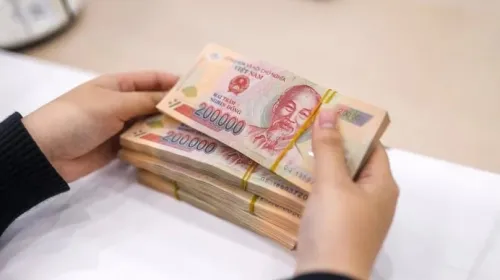
Photo: Illustration courtesy of the Vietnamese government's news portal

Latest Posts

Systemic liquidity pressure: Interest rates in Vietnam unlikely to fall further

Systemic liquidity pressure: Interest rates in Vietnam unlikely to fall further

Rising liquidity pressures are making it increasingly difficult for Vietnam’s deposit interest rates to decline further in 2026, with many commercial banks maintaining rates for 6-12 month deposits at around 6.5-7.8% per year.

Entering Q2/2026, Vietnam’s money market is showing clear signs of a new interest-rate cycle in which funding costs are likely to drop significantly.

Banking data indicate growing liquidity pressure as credit growth has recovered faster than deposit mobilization, while exchange-rate and inflation risks continue to weigh on monetary policy.

The trend places the State Bank of Vietnam (SBV) in a difficult balancing position: maintaining sufficiently low interest rates to support economic growth while also ensuring financial system stability and containing exchange-rate pressure.

One of the most notable signals in Q1/2026 was credit expansion outpacing deposit growth.

According to Q1 financial statements from 27 listed banks, 12 lenders reported declines in customer deposits compared with the end of 2025, including BIDV, MBBank, Techcombank, ACB, VIB, TPBank, SeABank, Eximbank, OCB, Nam A Bank, KienlongBank and BaoViet Bank.

The figures reflect a broader shift of capital flows toward production, business activities and alternative investment channels as the economy recovers.

At the same time, stronger credit demand has forced banks to step up deposit mobilization efforts to balance medium- and long-term funding needs.

As of April 28, total outstanding credit in Vietnam’s banking system stood at nearly VND19,500 trillion ($739.39 billion), up 4.42% from the end of 2025 and 18.26% higher than a year earlier.

Meanwhile, deposit growth has consistently lagged credit expansion, leaving Vietnam dong deposits roughly VND2,000 trillion ($75.84 billion) below total credit outstanding. The funding gap has compelled many banks to raise deposit rates to retain liquidity.

A treasury executive at a joint-stock commercial bank said competition for deposits was no longer merely a short-term issue but had become a structural challenge.

“The recovery in credit disbursement has been too rapid, forcing many banks to raise rates to maintain liquidity safety ratios,” the executive said.

Interest rates anchored at higher levels

Unlike the 2024-2025 period, when deposit rates commonly ranged between 4-6% annually, the market has now established a significantly higher funding-cost base.

For six-month deposits - currently the most competitive tenor - private joint-stock banks such as VPBank, Techcombank, HDBank and TPBank are offering rates ranging from 6.5-7.2% per year.

Meanwhile, 12-month deposit rates have risen more sharply, commonly reaching 7-7.8% at many joint-stock banks, with some smaller lenders and special deposit programs offering rates above 8%.

Even the state-owned “Big Four” banks - Vietcombank, BIDV, VietinBank and Agribank - have lifted long-term deposit rates to around 5.5-6.2%.

Analysts said the trend signals that the market has entered a phase of persistently high interest rates aimed at protecting system-wide liquidity.

Can Van Luc, a member of the National Financial and Monetary Policy Advisory Council, said current liquidity pressure stems from three simultaneous factors: recovering credit demand, USD/VND exchange-rate pressure, and capital shifting toward higher-yielding investment channels.

“In a context where credit growth exceeds deposit growth, deposit rates are unlikely to fall deeply as they did previously. The SBV will prioritize macroeconomic and exchange-rate stability over aggressive monetary easing,” Luc said at a recent financial conference.

Despite rising rates, analysts believe the likelihood of an uncontrolled “interest-rate race” similar to late 2022 remains limited.

Banks have diversified funding sources more effectively through the interbank market, long-term certificates of deposit, international bonds, and syndicated foreign loans.

At the same time, the SBV has intensified liquidity management through open market operations (OMO) to prevent localized funding shortages.

Short-term liquidity injections via OMO have helped ease overheating pressure in the interbank market while stabilizing market sentiment.

Brokerage SSI Securities said deposit rates are now approaching the peak of the current tightening cycle. The SBV’s liquidity interventions are expected to keep rates broadly stable during Q3/2026 rather than allowing further sharp increases.

Meanwhile, VNDirect Securities said there is limited room left for further policy-rate cuts due to exchange-rate and inflation risks.

If Vietnam continues lowering dong interest rates aggressively, the narrowing gap between U.S. dollar and dong rates could place additional pressure on the exchange rate and foreign capital flows.

A banking analyst at BSC Securities said current interest rates accurately reflect capital supply and demand conditions.

“The SBV can stabilize the market, but it will be difficult to push rates down significantly while credit demand remains high,” the analyst said.

Another challenge facing banks is narrowing net interest margins (NIM). While funding costs are rising rapidly, lending rates cannot increase proportionally due to pressure to support businesses and economic recovery.

As a result, many banks are having to sacrifice part of their profitability to maintain credit growth and market share.

Analysts said this is also why banks are unlikely to push deposit rates excessively high. If funding costs continue rising sharply, the banking sector’s profits could face significant pressure in the second half of the year.

Industry reports from multiple securities firms forecast that banking-sector NIMs in 2026 will continue to narrow slightly from the previous year, particularly among joint-stock banks with aggressive credit growth targets.

Overall, analysts expect Vietnam’s money market trend through the end of 2026 to remain broadly stable at elevated levels rather than decline.

In the near term, deposit rates for 6-12 month tenors are forecast to remain around 6.5-8% a year as banks rebalance funding sources following a period of rapid credit growth and slower deposit mobilization.

Toward the end of 2026, pressure could ease somewhat as alternative funding channels such as corporate bonds, international borrowing and long-term certificates of deposit expand further.

Under a scenario in which exchange-rate and inflation pressures moderate, 12-month deposit rates could decline slightly by around 0.3-0.5 percentage points by year-end.


For integrated partnership between FDI and domestic enterprises

For integrated partnership between FDI and domestic enterprises

Policymakers, foreign investors, and domestic business leaders attending the Vietnam Connect Forum 2026 had varying opinions on how domestic and foreign enterprises can partner each other.

After four decades of successfully drawing in FDI, Vietnam now stands at a crucial juncture. The era of prioritizing sheer volume of capital inflows has given way to a more discerning approach focused on high-value contributions. Policymakers, industry leaders, and investors convened at the Vietnam Connect Forum 2026 to chart this transformation, emphasizing technology transfer, supply chain integration, and mutual growth between foreign and domestic enterprises.

From quantity to quality

Ms. Bui Thu Thuy, Deputy Director of the Foreign Investment Agency at the Ministry of Finance, articulated this strategic pivot quite clearly. “After 40 years of attracting foreign capital, Vietnam can no longer rely on old approaches to FDI attraction,” she said. “In the past, the priority was to secure as much investment as possible to support development. Today, however, Vietnam needs more than capital; it needs knowledge, technology, modern management practices, and the ability to meet global standards in order to move up the international value chain.”

This new strategy marks a departure from broad-based incentives toward the selective attraction of high-tech and strategic projects with strong spillover effects. Vietnam seeks deeper contributions from FDI in workforce development and boosting the capabilities of domestic enterprises. “Moving forward, Vietnam’s FDI attraction model will shift from being broad-based to more selective, prioritizing high-tech and strategic technology projects with strong spillover effects,” Ms. Thuy explained. “The country will also move away from relying heavily on tax incentives.”

After more than 20 years working in this field, she believes that strengthening links between FDI and domestic enterprises remains one of the biggest challenges. However, this cannot come from only one side. “FDI firms must share technical standards and supply chain opportunities, while domestic enterprises, bolstered by recent policies like Politburo Resolution No. 68-NQ/TW on private sector development, need to enhance governance and adaptability,” she continued. “For these enterprises to participate in strategic technology sectors and integrate more deeply into global value chains, they must be given opportunities to grow alongside FDI enterprises.”

The strategy also tailors approaches by locality - a high-tech focus in growth hubs and appropriate investments elsewhere - while prioritizing infrastructure in transport, digital, data, and energy sectors, which are vital for semiconductors and advanced manufacturing. Ultimately, FDI enterprises are viewed as long-term partners.

More importantly, she added, the next phase requires stronger collaboration. FDI enterprises are an integral part of Vietnam’s economy and are expected not only to benefit from the investment environment but also to grow alongside the country. Investment policy is gradually shifting from incentives toward support and partnership. “The ultimate expectation is that foreign corporations will see Vietnam not simply as a production base but as a second home for long-term development, shared responsibility, and meaningful contributions to economic growth,” Ms. Thuy said.

Overcoming barriers

While Vietnam’s FDI success story is well-documented, the links between foreign giants and local suppliers remains a stubborn bottleneck. Domestic firms, predominantly small and medium-sized enterprises (SMEs), face numerous hurdles in technology, scale, trust, and ecosystem integration. Forum participants delved into these challenges with pragmatic optimism, urging a shift in mindset and proactive collaboration.

Ms. Do Thi Thuy Huong, Vice Chairwoman of the Vietnam Electronics Industries Association, pinpointed the core issue. “Vietnam has been highly successful in attracting FDI, but the level of links between the FDI sector and domestic enterprises remains a major bottleneck,” she said. “The most critical constraint lies not only in technology or capital, but in the ability of Vietnamese enterprises to consistently and sustainably meet international standards.”

She described the “trust barrier” as particularly insidious. Global corporations hesitate on technology transfer due to concerns over sustained quality. “FDI enterprises may be willing to transfer technology, but they remain concerned about whether Vietnamese businesses can sustainably meet international standards in practice,” she explained. Many local firms excel at prototypes but falter in mass production consistency or synchronized deliveries. Fragmented ecosystems further complicate matters, forcing FDI players to source suppliers piecemeal.

She added that Vietnamese enterprises also lack strong ecosystem links. While FDI enterprises require a complete supply chain, from components and materials to logistics, domestic companies still tend to operate in fragmented and disconnected ways. “As a result, FDI enterprises are forced to search for suppliers individually, limiting the effectiveness of supply chain integration,” she said. “At the same time, domestic enterprises themselves often do not know one another well enough to jointly fulfill large orders.”

To become a high-value link in global supply chains, she continued, Vietnamese enterprises must first change their development mindset. “We cannot approach global supply chains with a short-term perspective or compete solely on low cost,” she believes.

She outlined three pillars for sustainable development: green transition, digital transformation with robust data governance, and investment in people. “Rather than waiting for FDI companies to find them, domestic businesses need to demonstrate their capabilities and actively seek partnerships,” she said. “This should be viewed as a win-win relationship, in which both sides are prepared to move forward together, develop together, and achieve shared prosperity.”

Mr. Dau Anh Tuan, Deputy Secretary General of the Vietnam Chamber of Commerce and Industry (VCCI), reinforced these points with survey data. “One finding is somewhat concerning: the proportion of small-scale FDI enterprises continues to rise,” he noted. Major players like Samsung and Intel often import their supplier ecosystems, limiting local opportunities. Capital access poses another major obstacle. “Vietnamese companies still rely heavily on bank loans with relatively high interest rates and short repayment periods,” he said. Foreign competitors invest upfront, while local players wait for secured contracts, putting them at a disadvantage.

Legal and governance gaps exacerbate the issue. “The current legal framework does not allow enterprises to use factories or machinery attached to land as collateral for loans from foreign financial institutions,” he explained. Transparency in corporate governance and talent attraction also lag behind.

Mr. Tuan therefore called for policy evolution. “The upcoming Politburo resolution on FDI will introduce a range of policy measures to incentivize foreign investors and major corporations to increase the participation of Vietnamese enterprises in their supply chains,” he said. Unlocking diverse financing channels beyond land collateral is also essential to fuel growth.

These insights painted a picture of maturing domestic enterprises ready for deeper integration, provided systemic barriers are addressed through collaboration and reform.

Foreign perspectives on Vietnam’s potential

Foreign investors brought valuable external viewpoints to the Forum, framing Vietnam as a promising yet competitive destination requiring sustained partnerships. Their messages centered on trust, quality, sustainability, and holistic ecosystem development.

Mr. Chris Jeffery, Board Member at the British Chamber of Commerce in Vietnam, expressed enthusiasm about Vietnam’s high-value ambitions. “From the UK’s perspective, this is a fantastic time and a tremendous opportunity,” he said. “Vietnam’s ambition is clearly focused on high-value services, innovation, and creation, which aligns closely with the UK’s strengths and experience as a country.”

He emphasized foundations for initiatives like the International Financial Center. “The structures, regulations, and supporting frameworks must be built not only for today but for tomorrow as well,” he said. Talent development and environmental, social, and governance (ESG) principles are necessary. “Vietnamese professionals should be at the forefront of driving these major developments in the future,” he added.

To attract FDI, he continued, Vietnam must compete globally. Investors today are looking for long-term partnerships rather than short-term transactions. Stability is essential, and the key word is partnership. In many ways, partnership resembles a marriage - it is built on trust, understanding, and shared commitment. Those elements are fundamental to success. Long-term commitments do not happen overnight, but if these foundations are in place, the rest will follow. Sustainable growth may not always be fast, but it is the right path forward.

Mr. Kulachet Dharachandra, Country Director of the SCG Group in Vietnam, spoke of its 30-year success story with deep local ties. SCG operates around 50 factories in the country, with $7 billion invested, collaborating with partners like PTSC and FPT. “I believe there is a shared future between FDI enterprises and Vietnamese companies,” he affirmed. “Vietnam is at a very exciting moment - a turning point toward the quality of investment.”

He highlighted three quality pillars: talent (spending on people not as an expense, but as an investment), products and processes through innovation (for e.g., low-carbon solutions), and capabilities via smart manufacturing, automation, and AI. “One positive aspect of Vietnam is the government’s clear commitment and direction, particularly in relation to net-zero and green transition goals,” he said. “At the policy level, the roadmap is becoming increasingly clear. The next challenge, however, lies in execution.”

Mr. Tan Quee Peng, President of the Singapore Chamber of Commerce in Vietnam, noted Vietnam’s strengths: stability, a young workforce, trade agreements, and infrastructure progress. Singapore, the country’s largest source of FDI, sees potential beyond manufacturing. “Investors are looking for resilience, innovation, sustainability, and ecosystem integration,” he noted.

In this regard, Vietnam has much to offer, though there are areas where improvements can be made, such as regulatory predictability, transparency, execution, competitiveness, and consistency in implementation. As some participants mentioned, policies implemented in one locality should be applied consistently in all others to avoid ambiguity. Transparent and stable regulations, as well as efficient licensing procedures, are important.

Another point is services. In today’s environment, services are fluid, and competition is global. Investors are no longer looking only at Vietnam in isolation, but at what value the country can offer relative to others. “Singapore sees Vietnam as a long-term partner,” he told the gathering. The question is what value proposition Vietnam can bring to this partnership. It is not only about meeting production targets, but also about anticipating market shifts and offering value-added, innovative solutions.”

Infrastructure remains another common concern - transport links, high-speed railways, logistics networks, and broader planning. Sustainability goes beyond meeting ESG targets. “As an architect myself, I believe transport planning, power planning, and master planning must align with long-term development goals and infrastructure networks,” he said.

Additionally, talent and skills are critical. Vietnam’s workforce is increasingly capable, but the focus must go beyond production. Investors are increasingly looking for talent that can manage complex processes.

Another important issue is the link between FDI enterprises and domestic companies. On one hand are large multinational corporations, while on the other is a significant SME base. Strengthening these links is important.

Lastly, sustainability and green financing are increasingly important, as many multinationals are facing stricter carbon-related and compliance obligations. Vietnam’s policies and frameworks should align with these developments.

The Vietnam Connect Forum 2026 underscored a collective commitment: Vietnam as a high-tech, innovative hub where FDI and domestic enterprises thrive together. Challenges persist - trust, capabilities, capital, infrastructure - but solutions lie in proactive partnerships, policy innovation, and quality focus.

Vietnam’s FDI strategy promises not just economic growth but also a resilient, inclusive future where foreign and domestic players view each other as true partners in prosperity. “We take a long-term view,” said Mr. Tan. “Alignment among top leadership and a commitment to continuous improvement and innovation are essential.”


PM proposes to soon complete VN-US reciprocal trade agreement

PM proposes to soon complete VN-US reciprocal trade agreement

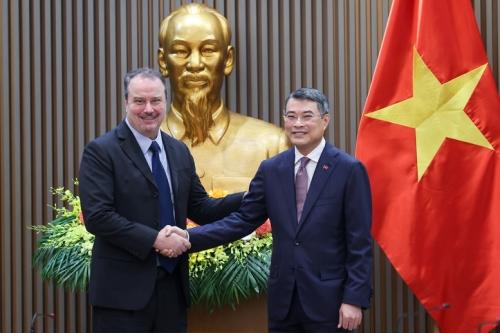
While receiving Ambassador Rick Switzer, Deputy US Trade Representative, in Hanoi on May 20, PM Le Minh Hung affirmed that the Vietnamese Government will continue to work closely with the US side to soon finalise the agreement, thereby further deepening economic, trade, and investment cooperation as the main driving force for bilateral relations.

Prime Minister Le Minh Hung proposed Vietnam and the US to continue strengthening the bilateral Comprehensive Strategic Partnership and soon complete a fair and balanced reciprocal trade agreement between the two countries while receiving Ambassador Rick Switzer, Deputy US Trade Representative, in Hanoi on May 20.

The PM affirmed that the Vietnamese Government will continue to work closely with the US side to soon finalise the agreement, thereby further deepening economic, trade, and investment cooperation as the main driving force for bilateral relations.

He emphasised that the Vietnamese Government always welcomes and is ready to provide the most favourable conditions for US businesses to expand investment and conduct successful, effective operations in Vietnam, contributing to Vietnam’s development goals.

Acknowledging the positive outcomes in bilateral relations, including economic and trade cooperation in recent years, Ambassador Switzer emphasised that Vietnam is one of the US’s leading important partners, with economic and trade cooperation making a positive contribution to the overall development of bilateral relations. Highlighting the importance of a reciprocal trade agreement for bilateral economic and trade cooperation, he praised the positive cooperation and goodwill of Vietnamese ministries, agencies, and the government negotiating team in recent times. He affirmed that the Office of the US Trade Representative and he personally will continue to closely coordinate with Vietnamese ministries and agencies, making every effort to achieve the agreement soon, thereby contributing positively to the further development of bilateral relations in the future.


See all blog