Vietnam’s trade in face of the Middle East conflict
The latest escalation in the Middle East conflict has Vietnamese exporters seeking new markets and importers seeking new suppliers, with both studying the logistics landscape.
The conflict in the Middle East involving the US, Israel, and Iran is having a significant impact on international supply chains, posing risks for an open economy like Vietnam. Geopolitical volatility not only threatens energy security but also pushes logistics costs higher, directly eroding profit margins for domestic import-export businesses.
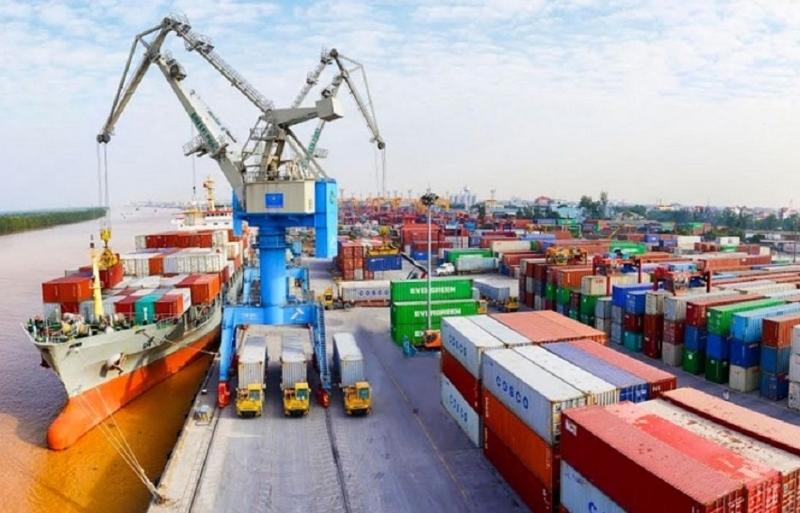
The most immediate and visible impact of the conflict on Vietnam’s trade is the disruption of shipping routes through the Red Sea and the Suez Canal - critical gateways linking trade between Asia, Europe, and the eastern US. As tensions escalate, major shipping lines have been forced to reroute vessels around the Cape of Good Hope at the southern tip of Africa to ensure safety. The detour, however, extends shipping times by 10-15 days and leads to additional surcharges and higher container freight rates.
Global logistics pressures
Delivery delays not only disrupt production plans but also lead to shortages of empty containers at Vietnam’s ports. As ship turnaround times lengthen, the return flow of containers to export ports slows, creating a ripple effect that pushes freight rates higher.
For products with low profit margins or agricultural goods with short shelf lives, the situation poses a critical challenge. Rising logistics costs reduce the competitiveness of Vietnamese goods in international markets, particularly in key destinations such as the EU and the US, where consumers are tightening spending amid inflation.
The Export-Import Department at the Ministry of Industry and Trade has issued Document No. 229/XNK-TLH outlining recommendations to mitigate the impact of the conflict. It stated that military strikes and retaliatory actions have created severe instability and a high-risk environment for transportation, international trade, and global supply chains.
Global prices for consumer goods, fuel, and oil are expected to rise in the time to come, creating indirect and multidimensional negative impacts on Vietnam’s production, import-export activities, and trade with the Middle East. For the logistics sector, higher fuel prices will push up maritime and air freight rates while affecting cargo routes serving Gulf countries.
Meanwhile, many Middle Eastern countries have restricted or closed their airspace due to security concerns, forcing cargo and transport flights to reroute, lengthening flight times and increasing logistics costs. Shipping through the Strait of Hormuz has nearly stalled since the airstrikes on Iran by the US and Israel. Iran has warned vessels that passing through the Strait is unsafe, forcing shipping companies to avoid the conflict zone or change routes, significantly increasing travel time and fuel costs.
The Middle East is the world’s energy hub, and any military action involving Iran - a country with major influence over the Strait of Hormuz - could trigger strong volatility in crude oil prices. The conflict has raised concerns over potential disruptions to global oil supply.
For manufacturers in Vietnam, rising oil prices not only increase domestic transport costs but also indirectly push up the prices of key input materials such as plastics, chemicals, fertilizers, and synthetic fiber. This creates “double pressure” as businesses face both rising production costs and soaring maritime freight rates.
Seafood is among the hardest-hit exports due to the nature of frozen products, which have limited shelf lives and require strict storage conditions. Longer shipping times increase electricity costs and raise risks to product quality. Similarly, major agricultural exports such as coffee, cashew nuts, and rice are gradually losing their price advantage as logistics costs account for an increasingly large share of total selling prices.
For the textile and footwear sectors, though most contracts are delivered on a Vietnam port basis, excessively high shipping costs are prompting international importers to reduce order volumes or ask manufacturers to share the risk by lowering selling prices.
Five strategic solutions
The Agency of Foreign Trade at the Ministry of Industry and Trade has urged industry and logistics associations to closely monitor the situation and regularly coordinate with relevant State management agencies to provide updated information to members. This will help businesses proactively adjust production plans, import-export arrangements, and cargo transportation strategies to avoid congestion and minimize the negative impacts of the ongoing conflict.
To improve flexibility and resilience against future disruptions in the international business environment, the Agency recommends that Vietnamese enterprises focus on five strategic solutions.
First, diversify supply sources and seek alternative markets with similar demand to reduce dependence on exports to Israel, Iran, and the Middle East, while preparing long-term contingency plans for similar disruptions.
Second, during negotiations and contract signings, businesses should pay greater attention to logistics, transportation, delivery, and insurance clauses to protect against risks and losses. Shipping contracts should include force majeure provisions, compensation mechanisms, and cost-sharing arrangements in case of disruptions. Businesses should also ensure adequate insurance coverage for goods to minimize potential losses.
Third, businesses should proactively analyze developments and coordinate information exchange with relevant ministries and agencies regarding trade data, geopolitical changes affecting business operations, and developments in freight capacity, shipping rates, and surcharges in order to develop timely response strategies.
Fourth, companies should build contingency and adaptation plans to minimize risks and losses from incidents in international trade and transportation while preparing rapid response measures to limit disruptions to supply chains.
Fifth, businesses should regularly engage with relevant State agencies such as the Agency of Foreign Trade, the Vietnam Trade Promotion Agency, the Department of Foreign Market Development, and Vietnam trade offices overseas to identify new orders and potential markets that can serve as alternatives.
Facing mounting challenges, Vietnamese companies are actively seeking ways to adapt in order to maintain export momentum. Large companies have begun shifting trading terms from CIF (cost, insurance, and freight) to FOB (free on board), to transfer shipping control and transportation risks to foreign partners.
Meanwhile, small and medium-sized enterprises (SMEs) are focusing on nearby markets such as ASEAN, China, and Japan to reduce dependence on Red Sea shipping routes and better utilize free trade agreements. Some businesses are also increasing inventories of raw materials despite higher financial costs.
In the long term, experts recommend that Vietnam invest more heavily in logistics infrastructure, develop its international shipping fleet, and shift towards producing higher value added goods.
Current geopolitical volatility presents challenges but also offers an opportunity for businesses to review supply chains and strengthen risk management capacity. With support from the government, the flexibility of Vietnamese enterprises will be key to overcoming the headwinds and sustaining import-export growth in the years to come.
The Agency of Foreign Trade at the Ministry of Industry and Trade has issued Document No. 234/XNK-NH dated March 3, 2026, assessing the impact of the conflict in the Middle East. To proactively respond and ensure the achievement of export growth targets, the Agency has requested industry associations to review and assess how the conflict may affect import-export activities in their respective sectors, identify potential difficulties and challenges that may arise in the immediate future, and propose solutions to address obstacles, promote exports, and seek alternative sources of raw materials when necessary.
Source: Manh Duc