Lumen Vietnam Fund

Blog

Vietnam's energy sector seeks qualitative growth

Vietnam's energy sector seeks qualitative growth

Efficiency and sustainability are the focus as Vietnam energy sector seeks qualitative rather than quantitative growth.

Vietnam’s energy sector has moved beyond a phase of rapid expansion and is entering a period of deep, quality-driven growth. Rather than racing to add capacity, the market is now focused on operational efficiency and sustainability, marking a strategic turning point that will redefine what is considered the “lifeblood” of the economy.

According to the Ministry of Industry and Trade (MoIT), total installed power capacity as of the end of 2025 stood at approximately 87,600 MW. Of this, renewable energy sources (wind, solar, and biomass, etc.) accounted for some 24,453 MW, or 27.9 per cent. These figures indicate that renewable power is steadily establishing itself as a key pillar of national energy security and Vietnam’s commitment to achieving net-zero emissions by 2050.

Clean energy surge

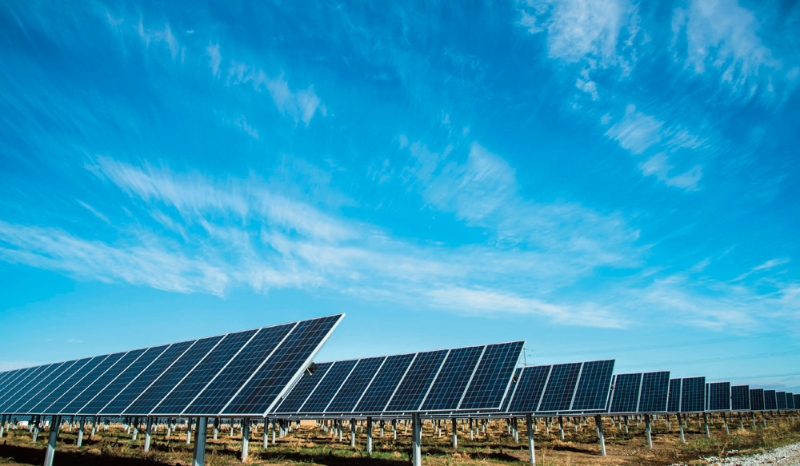
Within the overall power mix, solar energy (both utility-scale and rooftop systems) remains the largest renewable source, with total capacity reaching approximately 17,200 MW as of the end of 2025. However, the most notable shift compared to the pre-2021 period is the strong transition from large-scale solar farms to self-consumption rooftop solar systems.

This shift stems from incentive policies introduced in late 2024 and early 2025, notably Decree No. 135/2024/ND-CP dated October 22, 2024, on rooftop solar for self-generation and self-consumption, and Decree No. 58/2025/ND-CP dated March 3, 2025, detailing provisions of the Law on Electricity on renewable and new energy development. While Decree No. 58 replaced Decree No. 135, it largely retains previous provisions while simplifying administrative procedures and improving accessibility for businesses and households.

Data from the MoIT reveals rapid growth in rooftop solar projects at industrial parks across northern, central, and southern Vietnam during 2024-2025. Total installed rooftop solar capacity at industrial parks has exceeded 3,200 MWp, with some 25 per cent of systems integrated with battery energy storage systems (BESS). Technical potential is estimated at over 40,000 MWp, with around 20,000 MWp likely achievable by 2030.

Notably, BESS integration is becoming a standard requirement in new projects, helping ease grid pressure during peak periods and minimize curtailment. Large-scale storage facilities in Ninh Thuan (now part of Khanh Hoa province) and Binh Thuan (now part of Lam Dong province) have helped address the mismatch between real-time demand and solar generation, allowing solar power to remain effective even after sunset.

Wind power - onshore and nearshore - had reached an estimated 6,000 MW as of the end of 2025. However, offshore wind has yet to see any commercial projects enter into operation, largely due to challenges related to marine spatial planning and survey licensing frameworks. Most large-scale projects remain in early-stage preparation or preliminary surveys. According to the Vietnam Energy Association, offshore wind will be “key” not only to achieving energy self-sufficiency but also to positioning Vietnam as a clean power export hub in ASEAN over the next decade via cross-border transmission lines.

A major driver of renewable energy growth in recent years has been the stable implementation of the Direct Power Purchase Agreement (DPPA) mechanism. The Electricity Authority of Vietnam at the MoIT reported that, as of early 2026, more than 60 DPPA contracts had been signed between clean energy developers (such as T&T, BCG, and Trung Nam) and multinational manufacturers (including Samsung, Apple, Heineken, and Google).

The growing preference among large FDI enterprises, particularly in technology and electronics, to use 100 per cent clean energy not only helps them meet international green certification standards but also fosters a more competitive market, reduces pressure on public investment, and alleviates the financial burden on Vietnam Electricity (EVN). The DPPA mechanism has effectively become a magnet for foreign capital inflows into large-scale wind and solar projects.

Unlocking transmission

From a regulatory perspective, the MoIT has identified the socialization of power transmission as a key policy priority for 2026. The operation of the 500 kV transmission line (Circuit 3) from Quang Trach (in Quang Binh, now part of Quang Tri province) to Pho Noi (in Hung Yen province) since mid-2024 has significantly alleviated transmission bottlenecks for renewable projects in central Vietnam and the central highlands.

According to operational reports from the National System and Market Operator (NSMO) and EVN, renewable energy curtailment rates (wind and solar) have dropped sharply, from peaks of 10-20 per cent during 2020-2022 to below 2 per cent by late 2024, thanks to improved transmission capacity.

This progress has strengthened investor confidence in the transparency and efficiency of Vietnam’s power system. Energy experts also agree that the shift from fixed feed-in tariffs to competitive bidding has brought renewable energy prices closer to conventional power costs, paving the way for a more equitable and transparent energy economy.

However, challenges remain. Despite rising installed capacity, the system still requires clearer pricing mechanisms for large-scale BESS to ensure grid stability. There is also a pressing need to accelerate the development of a high-quality domestic workforce to gradually replace foreign experts in operating and maintaining complex offshore wind projects. In addition, the planned launch of a domestic carbon credit market in 2028 will require robust systems for measurement and certification of renewable energy projects.

At this stage, Vietnam’s renewable energy sector has moved beyond its volatile early phase and is entering a period of stable, in-depth development. The combination of flexible government policies, support from industry associations, and sustained FDI inflows is creating a promising green energy ecosystem. At this pace, Vietnam is well positioned to achieve the medium-term targets of the revised National Power Development Plan VIII in 2021-2030, with a vision to 2050 (PDP8), ahead of schedule, laying a solid foundation for a green industrial transformation.

Renewable energy is no longer a stopgap solution and has become a core driver of economic growth, enhancing national competitiveness and reinforcing Vietnam’s credibility in global climate action efforts. While challenges remain, strong government commitment and business alignment are making a clean, self-reliant energy future increasingly tangible.


Source: Huyen Vy

Latest Posts

Export strategy moves from quantity to quality in 2026

Export strategy moves from quantity to quality in 2026

VOV.VN - A shift from quantity to quality in Vietnam’s export strategy, along with deeper participation in global value chains, is seen as the appropriate path to keep import-export activities a solid pillar of the economy.

Vietnam’s total import-export turnover reached more than US$930 billion in 2025, up 18.2% from 2024, marking 10 consecutive years of trade surplus since 2016.

The result underscores exports as one of the key drivers of economic growth, but it is a milestone rather than the end goal of an export-led growth strategy.

The government targets GDP growth of at least 10% in 2026 and aims to raise export turnover by about 15-16% to US$546-550 billion, equivalent to roughly US$45-46 billion per month.

Despite rapid expansion in scale, trade activity still shows a number of factors that are not yet sustainable. The US accounts for more than 30% of Vietnam’s exports, while China makes up around 40% of imports, indicating a high level of reliance on the two markets. The FDI sector contributes about 70% of total export turnover, while domestic value added remains modest.

Experts say Vietnam retains only a small share of value in global supply chains. Of roughly US$400 billion in export turnover in 2024, nearly US$300 billion came from the FDI sector. The remainder was generated by domestic firms, but actual domestic value added amounted to only about US$60 billion after accounting for imported inputs.

Vietnam’s export activity in 2026 is expected to present both opportunities and challenges, as rising trade barriers and stricter requirements from major markets such as the EU and the United States on green production and supply chain transparency require Vietnamese firms to adapt and meet these demands.

At the same time, expanding into nearby markets, emerging economies and populous markets with growth potential will require stronger economic diplomacy and more focused trade promotion, opening new growth space for exports.

Vietnam’s exports are at a critical turning point, either to renew the model or continue exporting largely for FDI firms. This is seen as the appropriate path: shifting from quantity-driven growth to quality-driven growth, from expanding scale to increasing value, and from processing to deeper participation in global value chains, with trade remaining a solid pillar of the economy.

To support this transition, further institutional reforms are needed to ease conditions for exporters, alongside policies to strengthen science and technology and build up the capacity of domestic enterprises.

This provides the foundation for import-export activities to shift from quantity to quality and make a breakthrough.

ADB's expert: Reforms on key sectors will help Vietnam sustain strong growth momentum

ADB's expert: Reforms on key sectors will help Vietnam sustain strong growth momentum

Mr. Shantanu Chakraborty, ADB Country Director for Vietnam, shared his insights on Vietnam’s growth outlook amid ongoing global economic uncertainties...

How do you assess Vietnam’s economic outlook for 2026 and 2027 compared to other countries in the region? In addition, as the country targets becoming a high-income economy by 2045, what key strengths should it leverage and which priority reforms will be most critical?

According to forecasts by the Asian Development Bank (ADB), Vietnam’s GDP growth is expected to reach around 7.2 per cent in 2026 and approximately 7 per cent in 2027. These are among the highest growth rates in Southeast Asia, clearly pointing to the economy’s resilience despite the overall challenges.

Vietnam’s performance is underpinned by strong economic fundamentals, a significant boost from public investment, and its export-oriented strategy, which continued to drive growth last year.

However, in order to sustain this high and resilient growth, the country needs to focus on raising productivity and improving production efficiency. It is also important to strengthen financial and capital markets to ensure investors have access to long-term capital.

Most importantly, as highlighted by recent crises, Vietnam must prioritize energy security and accelerate the transition toward green and clean, domestically sourced energy to reduce exposure to external shocks. Reforms in these three key areas will be crucial for Vietnam’s growth in the coming times.

How does ADB view Vietnam’s position in global and regional supply chains, and what policy priorities and investments are most important to help Vietnam move up the value chain, strengthen trade resilience, and safeguard macroeconomic stability over the next three to five years?

Vietnam is already well integrated into global value chains. Over the past decades, the country has built a strong manufacturing base, particularly in export-oriented industries, which has been a key factor in attracting foreign direct investment.

However, the level of value addition within Vietnam still needs improvement. The advantage of low labor costs is not a sustainable long-term strategy, as reflected in the relatively low domestic value added. Therefore, Vietnam needs to enhance its role in the supply chain by moving up the value chain and increasing value-added activities.

To achieve this, four key elements are essential.

First,a stronger business environment with greater transparency and ease of doing business is needed to attract high-quality investors.

Second,improved access to long-term capital requires deeper and more developed capital markets, both equity and debt, supported by appropriate regulatory reforms.

Third,the provision of high-quality infrastructure remains a key determinant in attracting continued investment into supply chains, despite significant progress through public investment and private sector participation.

Finally,the availability of skilled labor is critical, especially as Vietnam aims to advance in areas such as AI, fintech, and green growth, which demand advanced skill sets.

Focusing reforms on these four areas will enhance Vietnam’s ability to move up the value chain and strengthen its position in global supply chains.

How do you see Vietnam’s role in advancing green growth and energy transformation in Southeast Asia?

Vietnam plays a very important role in Southeast Asia and has been taking the right steps toward a more sustainable and green growth model. ADB’s Country Partnership Strategy (CPS) with Vietnam, formulated in 2023, also identifies green growth as a key pillar of its support, highlighting the country’s importance in the region’s transition.

Vietnam has set strong ambitions to achieve net-zero emissions by 2050 and has joined the Just Energy Transition Partnership (JETP), which is progressing with early signs of success as more projects become financially viable.

However, more actions need to be done to improve the bankability of these projects. While there is strong interest from private investors, the government, and state-owned enterprises in green investments, financial viability remains the key consideration for both development partners and private financiers.

From ADB’s perspective, we remain deeply committed to supporting Vietnam’s energy transition. We have announced $10 billion in support for the ASEAN Power Grid, a regional initiative aimed at expanding renewable energy and strengthening transmission and distribution networks across ASEAN. As an important member of ASEAN, Vietnam stands to benefit significantly from this initiative.

What are the biggest bottlenecks slowing Vietnam's energy transition amid global fuel supply disruptions and rising geopolitical tensions? And how can policy frameworks both accelerate progress toward net zero while keeping energy costs competitive for households and businesses?

Some of the key constraints Vietnam is facing relate to policy and regulatory uncertainties, as well as infrastructure and financing gaps.

For instance, much of the country’s renewable energy capacity is concentrated in southern Vietnam, which requires a robust transmission and distribution network to transport electricity to major demand centers in the north. This highlights the urgent need for high-quality transmission infrastructure to ensure efficient power flow across regions.

Another challenge is the relatively slow adoption of green technologies. While there was a surge of investment during the National Power Development Plan VII (PDP7), particularly in solar, wind, and floating solar projects, momentum has slowed somewhat in recent years. Revitalizing investment in clean energy generation is therefore essential to sustain the transition.

To accelerate progress toward green growth while maintaining affordability, Vietnam needs stronger planning frameworks and a more predictable regulatory environment. Greater mobilization of private investment will also be critical, given the scale of financing required. This ultimately depends on creating an enabling environment that ensures projects are bankable and attractive to private capital.

In addition, diversifying energy sources and improving efficiency will be key. Expanding into areas such as offshore wind and battery energy storage systems can complement existing renewable capacity and enhance grid reliability.

At the same time, improving energy efficiency across industries, buildings, and households offers a cost-effective pathway toward reducing emissions. In many cases, enhancing efficiency can be a more economical solution than investing in new energy generation capacity.

What institutional or regulatory barriers continue to constrain private sector participation, and which reforms would most effectively crowd in private investment alongside public investment in Vietnam?

Going forward, one of the key priorities is to strengthen project ownership and significantly improve the quality of project preparation. While many projects are being announced and developed, challenges remain in ensuring their bankability and applying best practices in risk sharing and structuring.

To attract more private capital, the focus should be on expediting project preparation and improving project readiness. In recent years, there has been a period where project implementation slowed, but with new leadership and increasingly ambitious growth targets, there is now a strong opportunity to accelerate progress.

In particular, the time lag between project conception and execution needs to be shortened. Ensuring that projects are well-prepared and “shovel-ready” at an earlier stage will be crucial for unlocking financing. The government’s efforts, supported by development partners like ADB, should therefore prioritize faster and higher-quality project preparation to facilitate greater private sector participation.

Looking ahead, what breakthrough reforms in public governance, the business environment, and human capital development are most critical to boosting productivity and improving the quality of growth?

2025 marked a significant shift in Vietnam’s reform agenda, particularly in improving the business enabling environment. Resolution No. 68-NQ/TW placed the private sector at the center of the country’s growth strategy, while Decree No.114/2021/ND-CP helped streamline ODA borrowing procedures.

These reforms have reduced the multiplicity of approvals, simplified previously fragmented processes, and improved the staged approach to project preparation. Besides, there has also been greater decentralization, with more authority delegated to the provincial level. As a result, many projects are now being initiated at the local level, making it essential to ensure that provinces are well equipped to prepare high-quality, bankable projects that can attract international financing.

At the same time, recent administrative restructuring, including the move toward a more streamlined two-tier system, is already having an impact on decision-making processes and could further improve implementation efficiency going forward.

In the coming times, in human resources, strengthening skills development is critical. Vietnam needs to significantly expand its capacity to train workers in high-value sectors such as AI, science and technology, biotechnology, and fintech.

Besides, the establishment of international financial centers is a step in the right direction, as it helps build an ecosystem capable of attracting long-term private capital.

Investors, particularly from the private sector, are more likely to engage where risk allocation is clear and aligned with international best practices. Vietnam can also benefit from learning from regional peers that have been more successful in structuring projects and allocating risks effectively.

Public-private partnerships (PPP) are another area with substantial untapped potential. While PPPs in energy, particularly independent power projects, have seen some success, momentum has slowed in recent years.

Expanding PPP models into other sectors such as ports, metro systems, roads, and airports will be essential to mobilizing private capital at scale. Targeted reforms to address bottlenecks in PPP frameworks, including risk-sharing mechanisms and project structuring, will therefore play a crucial role in supporting Vietnam’s long-term growth trajectory.


Seafood exports grow 8% in Q1

Seafood exports grow 8% in Q1

Vietnam exported US$2.64 billion worth of seafood in the first quarter of 2026, up nearly 8% from a year earlier, largely fueled by strong demand from China.

China remained Vietnam’s largest seafood importer during the quarter, accounting for around $764 million, up nearly 45% year-on-year. In March alone, shipments to the market exceeded $250 million, marking growth of more than 50%, according to the Vietnam Association of Seafood Exporters.

The country is also the largest consumption market for Vietnamese pangasius.

In the shrimp segment, growth was mostly driven by lobster. Exports of whiteleg shrimp, Vietnam’s key product in the U.S. and EU markets, held steady.

Other seafood categories, including crab, swimming crab and molluscs, benefited from rising demand across Asian markets. Meanwhile, tilapia exports soared 190% year-on-year to an estimated $35 million in the first quarter.

The strong performance in China played a decisive role in maintaining overall sectoral growth amid a decline in exports to several markets.

Seafood exports to the U.S. fell by more than 10% in the quarter due to weak demand and technical barriers, including Certificates of Analysis requirements under the Marine Mammal Protection Act and anti-dumping duties on shrimp. Exports to Japan and South Korea also declined by around 10%.

Shipments to the EU were largely unchanged while those bound for ASEAN, Australia and several emerging markets maintained growth momentum.

According to Le Hang, the association's deputy secretary general, China emerged as the main growth driver thanks to seasonal consumption, stable demand and favorable logistics conditions.

Lunar New Year consumption boosted imports of whole shrimp, live seafood and premium products from late 2025 through early 2026, contributing to sharp increases in high-value items such as lobster.

Demand in China’s mid- and high-end segments also remained resilient. Shrimp imports rose by about 18% in the first two months of the year, partly thanks to tariff changes and supply disruptions affecting lobster supplies from Canada.

Vietnam's geographic proximity and flexible supply chains enabled its exporters to respond quickly to short-term demand surges during peak consumption periods.

However, Hang cautioned that part of the strong growth reflected seasonal factors rather than long-term structural recovery. Increased exports were partly driven by stockpiling and festive demand, meaning growth could moderate in the coming months.

Export turnover in March alone was estimated at around $927 million, a 5% year-on-year increase, slower than the roughly 20% growth recorded in the first two months.

Competitive pressure is also intensifying, especially from major suppliers such as Ecuador, reinforcing the need for Vietnam’s seafood industry to diversify markets.

Nonetheless, the association expects seafood exports to continue expanding in the second quarter, with shrimp and pangasius likely to remain key growth drivers.

See all blog