Lumen Vietnam Fund

Blog

Vietnam FDI surge points to changing investor priorities

Vietnam FDI surge points to changing investor priorities

Foreign direct investment (FDI) commitments in Vietnam surged 76.4% in the first nine months of 2026, reflecting strong investor interest, but the bigger question is what is driving the inflows and whether the country can turn them into higher-value growth.

Vietnam attracted US$50.36 billion in registered foreign direct investment between Jan. – Sept. 2026, representing a year-on-year rise of 76.4%, according to the National Statistics Office.

The headline figure is striking. But behind the surge is a more complex story: investors are not simply putting more money into Vietnam; their priorities are also changing as global manufacturers restructure supply chains and competition for new investment intensifies across Southeast Asia.

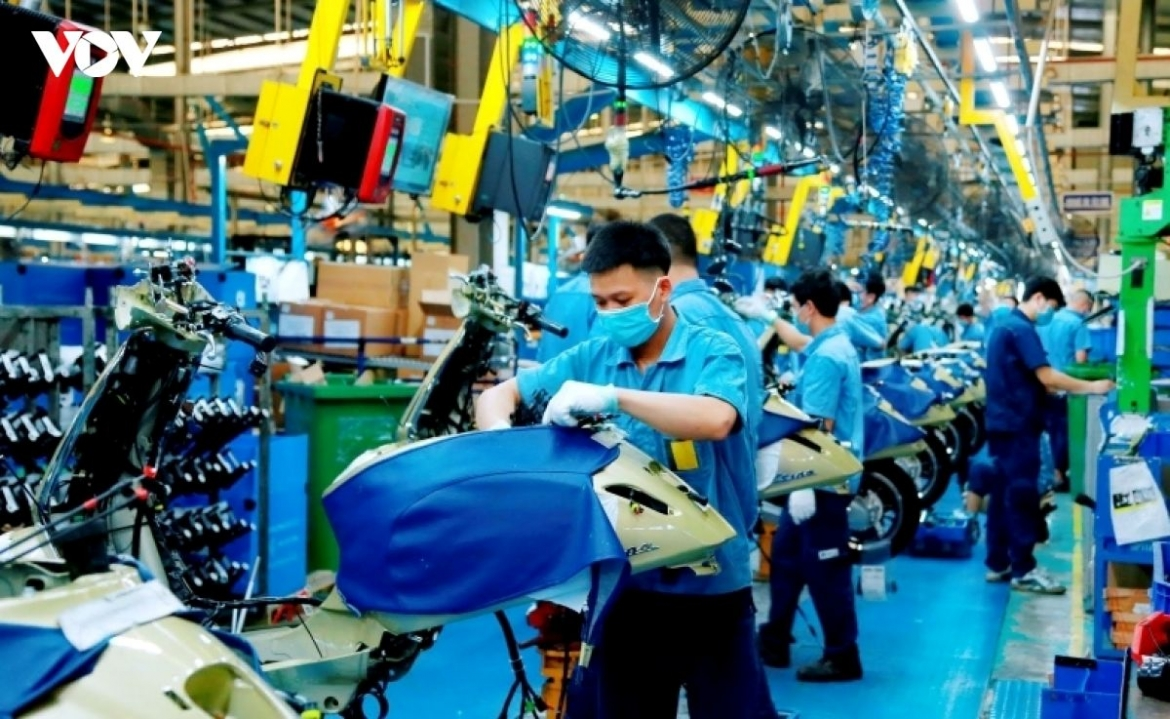
Of the total registered FDI, newly registered capital reached US$29.24 billion from 3,108 projects, with capital more than doubling from the same period last year. Manufacturing and processing remained the largest recipient, accounting for US$13.38 billion, or 45.8% of newly registered capital.

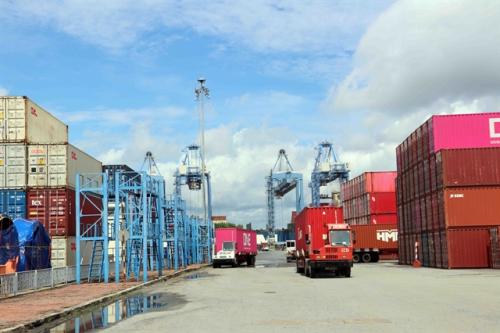
Transport and storage followed with US$5.14 billion, while additional capital injected into existing projects reached US$14.15 billion, up 25.1%.

The composition of the flows suggests that Vietnam’s attraction to foreign investors is increasingly linked to its role in production and supply-chain networks rather than simply its traditional advantage of relatively low costs.

Supply-chain diversification is a key driver

One of the clearest explanations comes from the ongoing restructuring of global supply chains.

At the Vietnam Industrial Property Forum 2026 held in Ho Chi Minh City in September 2026, Trang Le, country head and head of Research and Consulting at JLL Vietnam, said international companies were continuing to diversify their supply chains to reduce concentration risks and strengthen resilience.

This trend is creating additional demand for manufacturing and logistics facilities in Vietnam, she said, with the country's northern region increasingly attracting technology-intensive investment and higher-value supply chains, while the south has developed stronger advantages in logistics, connectivity and access to the domestic market.

The shift is also changing the type of industries looking at Vietnam. Demand is expanding beyond traditional manufacturing to electronics, electrical equipment, high technology, automobiles, data centres, pharmaceuticals, research and development and modern logistics.

That helps explain why manufacturing and processing accounted for more than half of newly registered and additional FDI combined during the first nine months.

Vietnam's investment environment is also changing

Supply-chain shifts alone, however, do not explain the broader investment momentum. Assoc. Prof. Dr Ho Sy Hung, president of the Vietnam Chamber of Commerce and Industry (VCCI), said recent institutional reforms had opened up greater room for businesses and improved the business environment.

Speaking at the Vietnam New Economy Forum 2026 in Hanoi on October 3, he highlighted reforms under the 2025 Investment Law, including the expansion of a “green lane” mechanism and a shift from pre-inspection to post-inspection, which he said had significantly shortened the time needed to prepare investment projects.

This point is particularly relevant to FDI because investors consider not only where production costs are competitive, but also how quickly a project can obtain approvals, secure infrastructure and begin operations.

JLL Vietnam leader Trang Le has similarly identified implementation speed, infrastructure and land availability, and the quality of the workforce as three important factors influencing investors’ decisions.

In other words, Vietnam’s competitiveness is gradually moving beyond the question of whether the country is cheaper than other destinations. Investors are increasingly asking whether Vietnam can provide the infrastructure, skilled labour and business environment required for sophisticated production.

A strong headline figure, but not the whole story

There is also an important distinction between registered and realised FDI. While registered FDI jumped 76.4%, realised FDI reached an estimated US$21.07 billion in the first nine months, up 12.1% year on year. The figure was nevertheless the highest for the first nine months in five years.

Manufacturing and processing accounted for US$17.4 billion, or 82.6% of realised FDI, indicating that the bulk of foreign capital actually being deployed is closely tied to productive activities. This gap between commitments and realised investment matters.

A surge in registered capital signals strong investor interest and creates a pipeline of potential projects. But the economic impact ultimately depends on whether those commitments are implemented, how quickly projects become operational and how deeply foreign-invested companies connect with the domestic economy.

That may be the next challenge for Vietnam. The country has benefited from the global diversification of production, but competition is becoming tougher. At the Vietnam Industrial Property Forum, Trang Le noted that Vietnam’s share of regional manufacturing FDI had risen sharply during the 2020-2021 period but has since fallen back below 5%, with Indonesia and Thailand strengthening their positions.

This suggests that strong FDI growth in Vietnam should not be interpreted as a guarantee of continued dominance in the regional investment race. Instead, the latest figures may mark a new stage in the competition, one in which the ability to absorb and retain high-value investment becomes as important as the ability to attract it.

For Vietnam, that means improving the speed and predictability of investment procedures, strengthening infrastructure and logistics, developing a higher-skilled workforce and building stronger links between foreign-invested companies and domestic suppliers.

The 76.4% rise in registered FDI therefore tells only part of the story. The more important question is whether the latest wave of foreign investment can help Vietnam move further up global value chains, from being a competitive production base to becoming a deeper ecosystem for technology, innovation and higher-value manufacturing.


Source: VOV
Latest Posts

Việt Nam returns to trade surplus in September but nine-month deficit persists

Việt Nam returns to trade surplus in September but nine-month deficit persists

Việt Nam mposted a trade surplus of $1.27 billion in September, with total trade of goods reaching $117.69 billion, up 7.3 per cent from August and 42.4 per cent from the same month last year.

HÀ NỘI — Việt Nam returned to a goods trade surplus in September after nine consecutive months of deficit, but remained in a US$19.42 billion deficit for the first nine months of this year, the National Statistics Office (NSO) said in its socio-economic report on October 3.

The country posted a trade surplus of $1.27 billion in September, with total trade of goods reaching $117.69 billion, up 7.3 per cent from August and 42.4 per cent from the same month last year.

The September surplus followed a period of sustained trade deficits and offered some improvement in the trade balance, but the NSO said the accumulated deficit remained a matter to watch.

Exports in September reached $59.48 billion, up 8.5 per cent from August and 39.1 per cent from a year earlier. Exports by domestic companies rose 9.9 per cent year-on-year, while those by foreign-invested companies, including crude oil, surged 46.5 per cent.

Imports reached $58.21 billion in September, up 6 per cent from the previous month and 45.8 per cent from a year earlier. Imports by domestic companies increased 22.1 per cent, while those by foreign-invested companies rose 54.6 per cent.

During January - September, Việt Nam's total trade of goods reached $888.02 billion, up 30.4 per cent from the same period last year. Exports rose 24.5 per cent to $434.30 billion, while imports jumped 36.7 per cent to $453.72 billion.

The faster growth in imports has been driven largely by production inputs, the NSO said, citing statistics that in the nine-month period, production materials accounted for 94.1 per cent of total imports, worth $426.92 billion.

Foreign-invested companies continued to dominate exports, accounting for $350.41 billion, or 80.7 per cent of the nine-month total, up 29.4 per cent year-on-year. Domestic businesses exported $83.89 billion, up 7.5 per cent.

The NSO's report pointed out that 35 export products generated more than $1 billion each, together accounting for 94.3 per cent of total exports. Of them, seven products exceeded $10 billion and accounted for 70.7 per cent.

The US remained Việt Nam's largest export market, with a value of $140 billion in the nine-month period. Việt Nam ran a $122.62 billion trade surplus with the US, up 23.8 per cent from a year earlier.

China remained Việt Nam's largest import market, with a value of $187.34 billion and a trade deficit of $121.48 billion, up 43 per cent over the same period last year.

Domestic companies recorded a $34.28 billion trade deficit in the first nine months, while the foreign-invested sector, including crude oil, posted a surplus of $14.86 billion.

The NSO said the trade deficit must continue to be watched, particularly the ability to turn imported raw materials and components into higher-value exports. It has also highlighted the need to strengthen supporting industries, raise domestic localisation rates and improve domestic production capacity to make the trade balance more sustainable.


International financial institutions upgrade Vietnam 2026 GDP growth forecasts

International financial institutions upgrade Vietnam 2026 GDP growth forecasts

Vietnam’s gross domestic product expanded by 9.95 percent year-on-year in the third quarter of 2026, bringing nine-month economic growth to 9.01 percent.

The strong performance reinforces positive assessments from international financial institutions regarding Vietnam’s economic outlook, with forecasts indicating that growth momentum will persist through the final months of the year.

According to the National Statistics Office under the Ministry of Finance, Q3 GDP growth of 9.95 percent outpaced the 8.15 percent recorded in Q1 and 8.81 percent in Q2. For the first nine months of 2026, the industry and construction sector served as the primary growth driver, expanding by 11.21 percent and contributing nearly half of total value added. The services sector grew by 8.69 percent, while agriculture, forestry, and fisheries expanded by 4.02 percent.

While global economic growth projections from the OECD, UN, and IMF remain subdued compared to 2025 levels, Southeast Asia’s growth outlook remains favorable. Within the ASEAN region, ADB projects average growth at 4.7 percent and AMRO at 4.8 percent.

Vietnam leads all regional peers with projected 2026 growth between 7.5 percent and 8.2 percent, significantly higher than Indonesia, Malaysia, Singapore, the Philippines, and Thailand.

Major international financial institutions have repeatedly upgraded their full-year forecasts for Vietnam.

AMRO projects 2026 growth at 7.5 percent, while the ADB raised its forecast to 7.8 percent for 2026 and 7.6 percent for 2027. The IMF increased its projection to 8.2 percent, UOB upgraded its outlook to 8.5 percent citing strong AI-driven technology momentum, and Standard Chartered issued the highest forecast at 9.5 percent.

Mr. Tim Leelahaphan, Senior Economist for Thailand and Vietnam at Standard Chartered Bank, noted that the Vietnamese economy continues to demonstrate strong resilience, underpinned by robust domestic demand, active trade, and solid industrial manufacturing performance that should sustain momentum through year-end.

Growth momentum continues to benefit from expanding manufacturing, steady foreign direct investment inflows, and strong global demand for technology products linked to supply chain relocations and artificial intelligence.

However, international analysts emphasize that due to its high level of trade openness, Vietnam must remain vigilant against external risks including geopolitical tensions, global trade volatility, and demand shifts across major export markets.

​

Vietnam’s inflationary pressures intensify

Vietnam’s inflationary pressures intensify

Inflationary pressures in Vietnam are mounting as the consumer price index (CPI) in September rose 0.62% from the previous month and 5.08% from a year earlier.

For the first nine months of the year, CPI increased 4.52%, above the 3.27% rise recorded in the same period last year and slightly exceeding the government’s target of controlling inflation at around 4.5% for this year.

This was the highest nine-month average CPI rise recorded during the 2016-2026 period, according to the National Statistics Office (NSO).

At a press meeting on Saturday, NSO director Nguyen Thi Huong stressed that pressures from input costs, energy price fluctuations and inflation risks remained, posing challenges for economic management in the period ahead.

She said fuel prices were being managed proactively and flexibly, in line with global price movements and domestic supply and demand. The supply of essential goods was broadly ensured, helping maintain market stability. However, factors putting pressure on the overall price level had yet to subside.

The structure of price hikes over the first nine months showed that inflationary pressures were not limited to a few temporary items but were also concentrated in essential goods and services that can directly affect living costs and business and production activities.

According to NSO data, prices of food and catering services rose 4.72% year-on-year, contributing 1.69 percentage points to the overall CPI increase. This was the largest contribution among the main groups of consumer goods and services.

Within this group, pork prices climbed 4.46%, poultry prices increased 3.93%, while prices of food services outside the home jumped 7.14%.

Higher input and service costs, along with increased consumer demand, were among the factors affecting price movements. Given the significant share of food and catering in household spending, price fluctuations in this group have a direct impact on how consumers perceive inflation.

The housing, electricity, water, fuel and construction materials group rose 6.68%, adding 1.52 percentage points to the overall CPI expansion. Within the group, prices of housing maintenance materials surged 13.07%, rents 4.91% and household electricity prices 4.35%.

The developments reflected pressure from both housing construction and repair costs as well as the cost of maintaining households. In particular, higher construction material prices could raise investment and construction completion costs while putting pressure on the prices of goods and services in related sectors.

In the transport group, prices rose 6.06% in the nine-month period, adding 0.6 percentage points to the overall CPI increase. Fuel prices went up 10.89% year-on-year. In September alone, transport prices rose 3.97% from the previous month, with petrol prices up 9.39% and diesel prices 4.53%, mainly due to domestic fuel price adjustments.

Energy prices have an impact beyond the transport sector. When petrol and diesel prices rise, transportation and distribution costs can also increase, putting pressure on the selling prices of many other goods. The extent of the pass-through depends on fuel price movements, logistics costs, businesses’ ability to absorb higher costs, and market purchasing power.

At the same time, input costs in the production sector also showed an upward trend. According to the NSO, in the first nine months of 2026, the producer price index for industrial products rose 4.37%, while the price index for raw materials, fuel and materials used in production climbed 5.12% year-on-year. Both were the highest increases for the same period during 2023-2026.

These indicators do not mean that all higher costs will immediately be passed on to consumer prices. However, if raw material, energy and transportation costs remain elevated, businesses may have to choose between narrowing profit margins, cutting costs or adjusting selling prices. If consumer demand remains firm, the risk of higher input costs being passed through to final goods and services will need to be closely monitored.

One notable development was that core inflation averaged 4.26% in the first nine months, below the 4.52% increase in headline CPI. In September alone, core inflation rose 0.11% from the previous month and 4.45% from a year earlier.

The gap between the two measures partly reflects the role of items with volatile prices, such as petrol, gas, food and fresh produce, and healthcare services, in headline CPI. These groups are excluded from the calculation of core inflation. Therefore, headline CPI rising faster than core inflation indicates significant pressure from specific price factors, but is not sufficient to conclude that inflationary pressures have spread evenly across all groups of goods and services.

Nevertheless, CPI movements over the past two months and rising production costs underscore the need for greater caution in price management in the fourth quarter. The target of around 4.5% is already under pressure, with average CPI for the first nine months reaching 4.52%. If prices continue to rise in the remaining months, bringing the full-year average below that threshold will become increasingly difficult.

Against this backdrop, economic management will need to balance price stability with maintaining growth momentum. Containing prices cannot rely solely on administrative measures but needs to be accompanied by ensuring supply, reducing circulation costs, improving market transparency and curbing the practice of using fluctuations in input costs to raise prices unreasonably.

From now until the end of the year, CPI movements will depend significantly on global energy prices, input costs, food supplies and the timing of adjustments to prices of essential goods and services.

With average CPI already above the target of around 4.5%, controlling inflation is not only a task for the final months of the year but also has implications for price expectations, the cost of capital and purchasing power in the economy in the following year.

See all blog