Economists say the region's next phase of development will depend less on low-cost manufacturing and more on its ability to deepen regional integration, strengthen domestic demand and build the infrastructure needed to support higher-value industries.
HÀ NỘI — Southeast Asia is at a pivotal moment as geopolitical tensions, supply chain restructuring and rapid advances in AI, digitalisation and the global energy transition are reshaping the world economy.
This is opening up new opportunities for ASEAN countries – including Việt Nam – to strengthen the region's position as a centre for production, consumption and innovation.
Yet economists say the region's next phase of development will depend less on low-cost manufacturing and more on its ability to deepen regional integration, strengthen domestic demand and build the infrastructure needed to support higher-value industries.
From manufacturing hub to integrated economic ecosystem
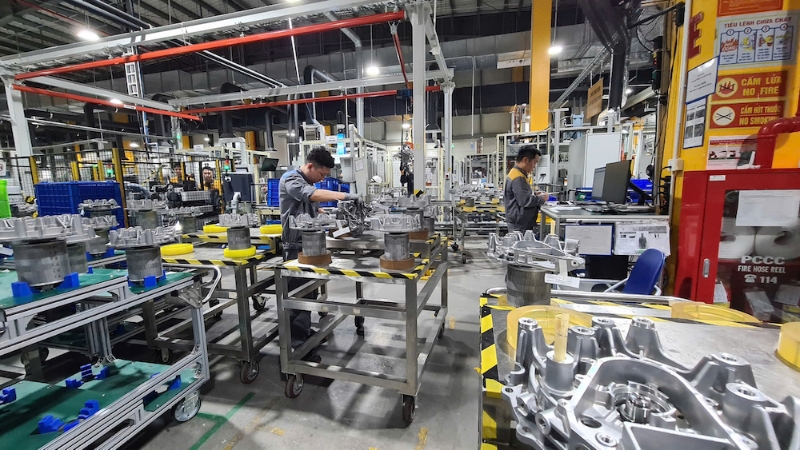
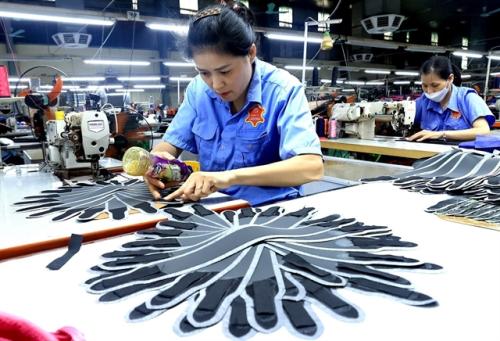
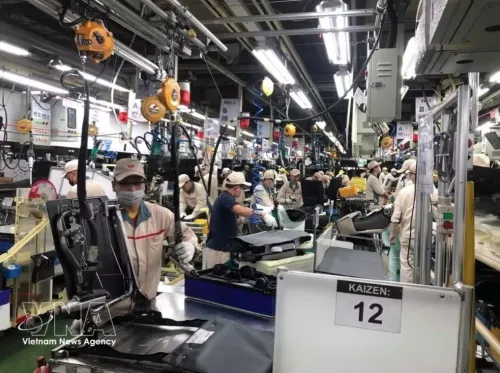
For decades, ASEAN's rise was driven by its role as a manufacturing base for global markets.
Factories across the region supplied electronics, garments, machinery and consumer goods to the rest of the world, helping transform once agrarian economies into export powerhouses.
But according to HSBC Vietnam CEO Tim Evans, the region is now approaching a new stage of development.
Rather than functioning as a collection of separate economies, ASEAN has an opportunity to evolve into a more integrated economic ecosystem, one connected not only through trade but also through services, capital flows, digital infrastructure and energy networks.
With a population of nearly 700 million, a young workforce and expanding consumer markets, ASEAN has the potential to become one of the world's key growth engines.
However, realising that potential will require deeper cooperation in logistics, energy, digital payments and trade, alongside greater policy coordination across the region.
Recent regional initiatives suggest that ASEAN is already moving in that direction.
One of the most significant developments is the upgrade of the ASEAN-China Free Trade Area, known as ACFTA 3.0.
The agreement extends cooperation beyond traditional goods trade into areas such as the digital economy, green development and supply chain connectivity.
As China remains ASEAN's largest trading partner, the expanded framework is expected to facilitate greater trade and investment flows across the region, while supporting emerging sectors linked to digitalisation and sustainability.
Another pillar is energy integration.
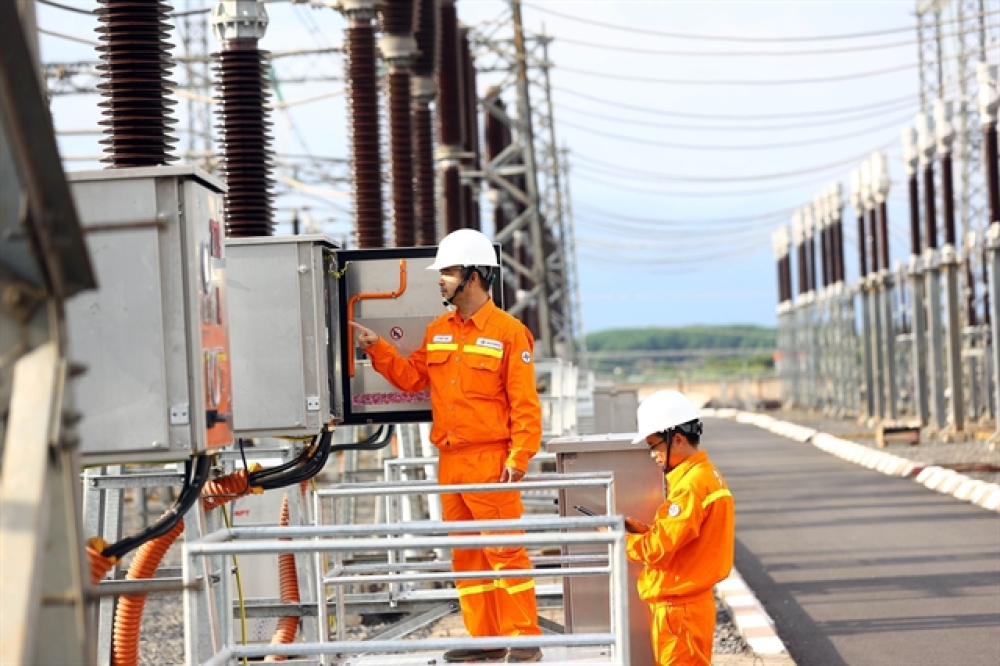
The ASEAN Power Grid initiative is becoming critical, as countries seek to accelerate the adoption of renewable energy while ensuring reliable electricity supplies to help optimise resources, improve energy security and strengthen the region's resilience against external shocks.
HSBC has also pointed out that one of the region's most underappreciated strengths lies in its domestic market, citing the World Bank data that average savings rates across six major ASEAN economies reached about 32 per cent of GDP in 2024, nearly six percentage points above the global average.
Those savings represent a significant pool of capital that could support long-term investment and consumption growth.
At the same time, ASEAN's digital economy is expanding rapidly. The region has become one of the world's fastest-growing markets for real-time payments, digital banking and e-wallet adoption. Its digital economy is projected to reach US$2 trillion by 2030.
The diversity of ASEAN's economies also provides a competitive advantage.
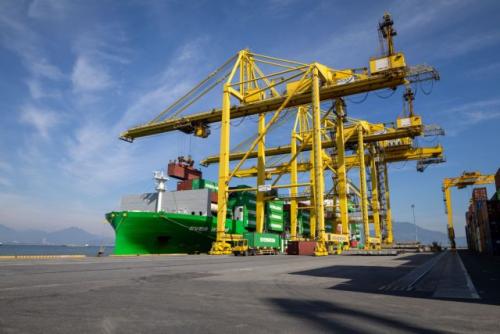
Manufacturing capabilities are concentrated in countries such as Việt Nam, Thailand and Malaysia, while Singapore serves as a financial and services hub. Indonesia and the Philippines offer large and growing consumer markets.
Opportunities for Việt Nam
Within that broader transformation, Việt Nam is increasingly being viewed as one of ASEAN's most promising investment destinations.
The country recorded GDP growth of 8.02 per cent in 2025, the highest among the ASEAN-6 economies, and attracted $38.42 billion in foreign direct investment, reflecting growing investor confidence in Việt Nam.
Participation in major trade agreements, such as the Comprehensive and Progressive Agreement for Trans-Pacific Partnership and the Regional Comprehensive Economic Partnership, has also further strengthened Việt Nam's access to international markets.
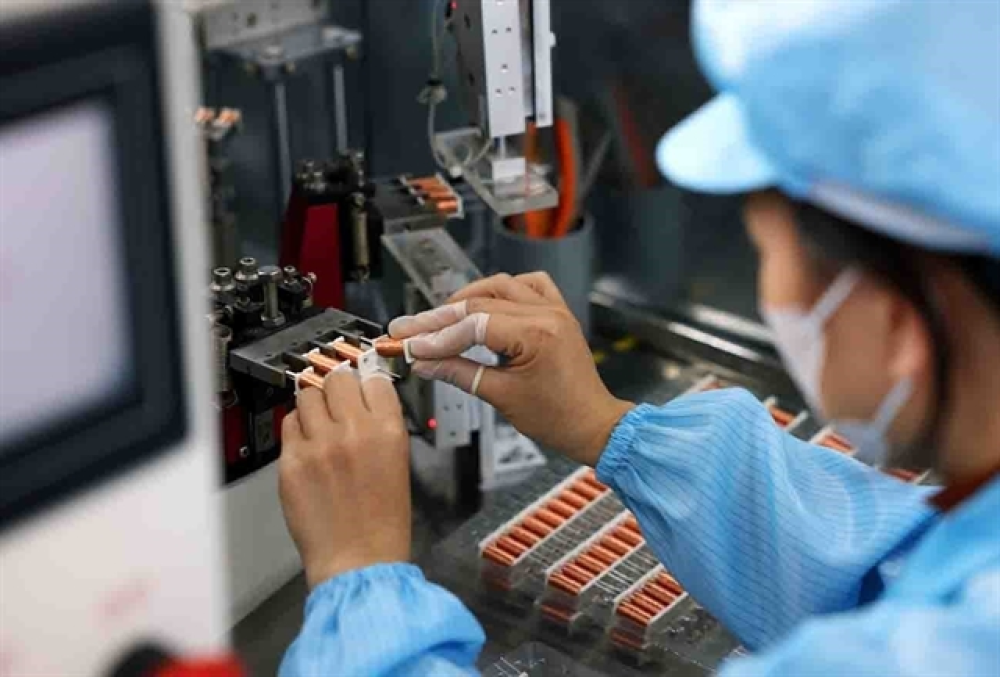
Capital is increasingly flowing into higher-value sectors, including semiconductors, electronics, digital infrastructure, AI and renewable energy, rather than traditional labour-intensive manufacturing industries.
In this context, Việt Nam is well positioned to evolve from a manufacturing platform into an innovation platform, according to Evans.
Việt Nam has already established itself as a key link in regional and global supply chains. The challenge now is to move further up the value chain, strengthen domestic capabilities and build the infrastructure needed to support a more technology-driven economy.
It is critical for Việt Nam to improve governance quality, regulatory transparency, policy consistency and fiscal credibility as well as logistics, digital trade infrastructure, customs procedures and cross-border payment systems.
New drivers for Việt Nam – ASEAN trade
Three decades after joining ASEAN in 1995, Việt Nam has seen trade with its regional partners expand nearly 30-fold.
Statistics from the Customs Department under the Ministry of Finance show that two-way trade between Việt Nam and ASEAN reached nearly $91 billion in 2025, compared with just over $3 billion in the early years of membership.
The figures underscore ASEAN's increasingly important role in Việt Nam's growth strategy. Last year, exports to ASEAN rose by 3.8 per cent to $38.4 billion, while imports increased by 12 per cent to $52.5 billion.
During the first five months of 2026, exports to the bloc climbed by 16.9 per cent year-on-year to $18.5 billion, while imports rose by 21.6 per cent to $27.1 billion.
Lê Quốc Phương, former deputy director of the Vietnam Industry and Trade Information Centre under the Ministry of Industry and Trade, said this growth reflected decades of deepening economic integration.
Today, ASEAN ranks among Việt Nam's largest trading partners and remains an important source of machinery, electronic components, raw materials and intermediate goods used in domestic manufacturing.
At the same time, Vietnamese products ranging from electronics and steel to rice, coffee and seafood are gaining a stronger presence across regional markets.
Investment also helps strengthen economic integration and deepen Việt Nam's participation in regional supply chains, reinforcing ASEAN's role not only as a trading partner, but also as a source of capital, technology and market opportunities.
While ASEAN companies continue to invest heavily in Việt Nam, Vietnamese businesses have also expanded their footprint across the region, particularly in Laos, Cambodia, Indonesia and the Philippines.
Yet deeper integration also brings greater competition.
As ASEAN economies continue to improve productivity, upgrade technology and enhance their business environments, Vietnamese enterprises will face increasing pressure to strengthen their own competitiveness.
Phương said the next stage of integration would depend on the ability of domestic firms to improve product quality, adopt new technologies, strengthen branding and move further up regional value chains.