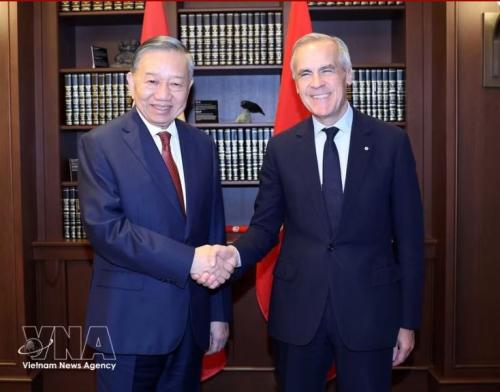
The strategic partnership has been established during a state visit to Canada by General Secretary of the Communist Party of Vietnam Central Committee and President To Lam.
Vietnam and Canada have issued a joint statement on their Strategic Partnership, which was established during a state visit to the North American nation by General Secretary of the Communist Party of Vietnam Central Committee and President To Lam.
The following is the full text of the joint statement, as released by the Vietnam News Agency:
Joint Statement on the Strategic Partnership between Viet Nam and Canada
At the invitation of the Governor General of Canada, Her Excellency the Right Honourable Louise Arbour, the General Secretary of the Central Committee of the Communist Party of Viet Nam and President of the Socialist Republic of Viet Nam To Lam paid a State visit to Canada from September 24 to 25, 2026. This was the first official visit to Canada of a General Secretary of the Communist Party of Viet Nam since the establishment of diplomatic relations between the two countries in 1973, marking a historic milestone in Viet Nam - Canada relations.
As part of the visit, His Excellency To Lam met with the Right Honourable Mark Carney, Prime Minister of Canada, in Ottawa. The visit demonstrated the strong commitment of both Leaders to usher bilateral relations into a new era of deeper, more substantive and more sustainable cooperation, underpinned by stronger economic cooperation, mutually beneficial growth, and sustainable development.
Viet Nam and Canada are trusted partners committed to a relationship grounded in mutual respect for each other’s political system, independence, and sovereignty and territorial integrity; open and honest dialogue; balanced and intertwined interests, adherence to international laws and the United Nations Charter for the purposes of regional and global peace, stability, cooperation, and development. As countries with deep integration in the global trading system, Viet Nam and Canada recognize that prosperity depends on a rules-based international economic engagements.
The two leaders elevated Viet Nam - Canada relations to a Strategic Partnership anchored in eight pillars: 1) Bilateral, Regional and Multilateral Cooperation; 2) Trade, Investment, Financial and Economic Cooperation; 3) Cooperation on Transportation and Supply Chain Management and Infrastructure; 4) Cooperation on Digital Transformation, Artificial Intelligence, Advanced Technologies, and Innovation; 5) Cooperation on Energy Security, Environment and Sustainable Growth; 6) Cooperation on Food Security, and Agri-food; 7) Cooperation on Defence, Security, Maritime, Law Enforcement, and Justice; and, 8) Cooperation on Education, Culture, and People-to-People Ties. Collectively, these pillars position Viet Nam and Canada to address shared challenges, seize emerging opportunities, and contribute to a more secure, prosperous, and dynamic Indo-Pacific region.
Bilateral, Regional and Multilateral Cooperation
1. Leaders recognized the importance of sustained engagement to reinforce the institutional foundations of the bilateral relationship, facilitate cooperation on shared priorities, and support the effective management of emerging challenges and opportunities. Leaders reaffirmed their commitment to strengthening political trust and mutual understanding through regular high-level exchanges, existing bilateral mechanisms, such as Viet Nam - Canada Bilateral Consultations, the Joint Economic Committee, the Defence Policy Dialogue and the Maritime Dialogue, and enhanced engagement among relevant organizations, in accordance with the laws and regulations of both countries. Leaders also welcomed opportunities for regular dialogues between Foreign Ministers of both sides and the establishment of a Viet Nam -Canada Agriculture Dialogue and discussions towards establishing a bilateral Security and Law Enforcement Dialogue. During the visit, General Secretary and President To Lam invited Prime Minister Mark Carney to visit Viet Nam.
2. Leaders also welcomed commitments to enhance parliamentary cooperation through exchanges between committees, friendship groups, women and young parliamentarians of both countries, contributing to stronger mutual understanding and people-to-people links.
3. Both Leaders share a commitment to upholding international law and strengthening regional and multilateral cooperation in fora including through the United Nations, APEC, ASEAN-led mechanisms, and La Francophonie, as well as under the Comprehensive and Progressive Agreement for Trans-Pacific Partnership (CPTPP). They reaffirmed support for ASEAN Centrality, discussed coordination of Canada’s Indo-Pacific Strategy, and the ASEAN Outlook on the Indo-Pacific and committed to deepen cooperation under the ASEAN - Canada Strategic Partnership. This includes cooperation on areas of mutual interest including energy, food security, artificial intelligence and digital economy. Canada welcomed Viet Nam's leadership in chairing the CPTPP Commission in 2026 and continued collaboration under the CPTPP - EU Trade and Investment Dialogue, as well as preparations to host APEC in 2027, and stood ready to support Viet Nam in this role, as well as during its ASEAN Chairmanship in 2030. Viet Nam welcomed Canada's offers to host La Francophonie in 2028 and APEC in 2029. Both sides also committed to continue coordinating on regional and global challenges and advancing shared interests to promote peace and stability, and adherence to international law, including the Vienna Convention on Consular Relations and the United Nations Charter.
Trade, Investment, Financial & Economic Cooperation
1. Trade is a cornerstone of the Viet Nam - Canada relationship, largely facilitated by the CPTPP. Viet Nam is Canada's largest trading partner in ASEAN, and rapid growth in trade demonstrates the strength of our economic partnership and the significant potential that remains to expand trade, investment, strategic business partnerships, and development cooperation in support of our mutual priorities.
2. Leaders reaffirmed their support for the successful conclusion and implementation of the ASEAN - Canada Free Trade Agreement as soon as possible, which will serve as an important foundation to advance deeper economic cooperation between Canada and ASEAN. Both sides also agreed to maximize the effectiveness of the Viet Nam - Canada Joint Economic Committee and reaffirmed their support for the implementation, modernization and expansion of the CPTPP. Additionally, Viet Nam and Canada are supporting regional connectivity and rules-based trade through interest-sharing partners, the CPTPP Trade and Investment Dialogues with the European Union and ASEAN.
3. Both sides also reiterated their support for a non-discriminatory, open, fair, inclusive, equitable, transparent and rules-based multilateral trading system. Leaders reaffirmed their commitment to advancing internationally recognized labour rights and principles, decent work and inclusive economic growth in accordance with relevant International Labour Organization (ILO) standards. Leaders welcomed continued engagement at the ILO, the World Trade Organization (WTO), the International Monetary Fund (IMF), the World Bank Group (WBG), Asia-Pacific Economic Cooperation (APEC), and under the CPTPP. These commitments aim to remove market access barriers and promote reciprocal market access, facilitate movement of goods and services between the two countries, supporting their businesses in deepening integration into relevant supply chains. Both sides welcomed efforts to increase two-way direct investment in Viet Nam and Canada. Viet Nam reaffirmed its readiness to create favourable conditions for Canadian businesses to invest and establish stable, long-term operations in Viet Nam.
4. Leaders further welcomed efforts to strengthen cooperation between Viet Nam and Canadian provinces, territories and municipalities, trade and investment promotion agencies and business communities of both countries.
Cooperation on Transportation, Supply Chain Management and Infrastructure
1. Leaders reaffirmed the importance of resilient, diversified and trusted maritime and aerospace transport and supply chains and agreed to work together to remove market access barriers and facilitate growing trading volumes, enhance maritime resilience, and maintain supply chain continuity.
2. They also welcomed progress in bilateral transport cooperation, including the signing of the MOU on Maritime Transport Cooperation and the September 2026 aviation consultations, which expanded air service capacity and further liberalized the route schedule under the Viet Nam - Canada Air Transport Agreement to enable direct air services.
3. Leaders reaffirmed the importance of collaboration to reduce emissions from maritime transportation. This includes advancing green shipping initiatives, such as the Pacific Multi-Port, Multi-Jurisdiction Green Shipping Corridor Memorandum of Understanding, and exploring opportunities to support the development and deployment of low-carbon fuels and zero-emission technologies.
4. They also welcomed continued collaboration between civil aviation officials and key regional partners to expand targeted aviation security assistance across priority airports in Viet Nam, advancing shared oversight and quality control.
Cooperation on Digital Transformation, Artificial Intelligence, Advanced Technologies and Innovation
1. Recognizing the significant opportunities presented by digital transformation, artificial intelligence, and advanced technologies to drive innovation, increase productivity, create high-quality jobs and unlock new avenues for economic growth, Leaders committed to explore cooperation in science, technology and innovation, notably through cooperation in multilateral fora, including APEC and ASEAN-led mechanisms, as well as the adoption of advanced technologies. Leaders also agreed to explore opportunities to promote sustainable digital transformation, secured digital ecosystems and improved infrastructure, cyber security, and data governance, in accordance with domestic regulations and international law.
2. Leaders welcomed opportunities to cooperate through ASEAN mechanisms including through the ASEAN - Canada AI Connect Program, to build capacity, promote responsible AI governance and inclusive digital development.
3. Leaders further welcomed growing partnerships between universities, research institutions and industry and agreed to support research collaboration, talent mobility and innovation partnerships in strategic sectors, including STEM fields, artificial intelligence, quantum technologies and semiconductors. Leaders also agreed to cooperate on supporting the development of innovation and start-up ecosystems and noted Canadian support for upcoming symposiums on green innovation and sustainable entrepreneurship.
Cooperation on Energy Security, Environment & Sustainable Growth
1. Leaders recognized that energy security is a cornerstone of economic growth, industrial development and long-term prosperity. They underscored the importance of reliable, affordable and sustainable energy supplies in supporting economic resilience, competitiveness and energy transition efforts. Leaders highlighted Canada's role as a trusted and reliable energy partner with expertise across conventional, renewable and emerging energy technologies, and welcomed opportunities to deepen bilateral cooperation to support Viet Nam's energy security and sustainable development objectives while facilitating growth, investment, and export opportunities for the Canadian energy sector.
2. Leaders welcomed the signing of a Memorandum of Understanding on Energy Cooperation and the Clean Energy Transition between Viet Nam and Canada, and agreed to expand cooperation on conventional and clean energy, including LNG, hydrogen and renewables, and other technologies supporting energy transition, carbon management and economic resilience by sharing experiences. Leaders also welcomed ongoing dialogue on the potential for civil nuclear cooperation between Vietnamese and Canadian stakeholders. Leaders further committed to explore opportunities to collaborate on the development of solar and wind power, including sharing expertise on both onshore and offshore wind resources.
3. Leaders reaffirmed their commitment to addressing climate change and agreed to foster collaboration on environmental protection and biodiversity. They also welcomed the signing of a Memorandum of Understanding on Enhanced Environmental Cooperation between the Ministry of Agriculture and Environment of Viet Nam and Environment and Climate Change Canada, which will focus on areas of mutual interest such as climate change adaptation, methane, pollution including plastic pollution, nature and others.
4. Leaders recognized that sustainable and climate-resilient infrastructure is critical to driving long-term economic growth, prosperity, and competitiveness in both countries. As part of these efforts, Leaders highlighted the Canada-funded Viet Nam Climate Resilient Municipalities project which will bring together Canadian municipalities and counterparts from selected urban regions in Viet Nam to exchange expertise on climate-resilient infrastructure and waste management, while showcasing Canadian technologies and solutions to address shared climate-related challenges.
5. They further welcomed Canada's continued support for Viet Nam's energy transition under the Just Energy Transition Partnership including through concessional financing managed by the World Bank. Leaders highlighted the importance of moving forward with the Viet Nam Renewable Energy Accelerating Change (REACH) project aimed at supporting Viet Nam’s electricity grid to integrate more wind and solar power. Additionally, development assistance and FinDev Canada financing towards low carbon initiatives were recognized as valuable contributions to net-zero and sustainable growth objectives.
Cooperation on Food Security and Agri-food
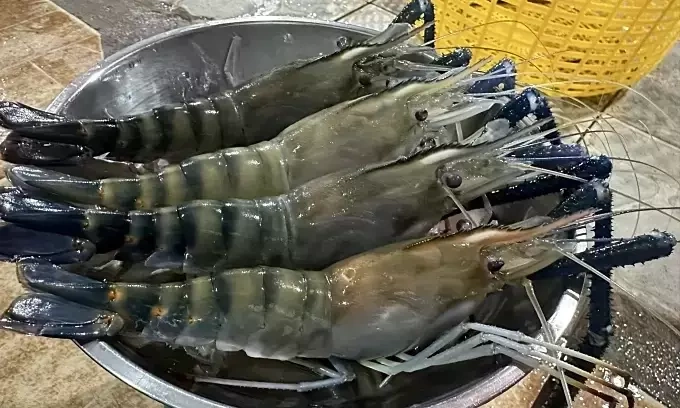
1. Leaders underscored the critical role of agriculture and agri-food cooperation in ensuring reliable food supplies, advancing sustainable development and fostering innovation across the food value chain. Leaders noted the growing importance of the agri-food and seafood relationship, with combined trade at nearly CAN$1.7 billion in agri-food and seafood products in 2025, underscoring the strong complementarities between the two countries' agricultural sectors. Leaders agreed to strengthen cooperation on food security, sustainable agriculture, and agri-tech innovation. They welcomed the establishment of the Viet Nam - Canada Agriculture Dialogue which will strengthen agriculture cooperation.
2. Leaders also welcomed the renewal of a Memorandum of Understanding between the Viet Nam’s Ministry of Agriculture and Environment and Canadian Food Inspection Agency (CFIA) on sanitary and phytosanitary measures, with a view to strengthening cooperation on regulatory matters, including sanitary and phytosanitary measures, food safety, animal and plant health, agricultural trade and environmental sustainability, in order to facilitate safe, predictable and efficient agricultural and seafood trade.
3. They welcomed technical cooperation initiatives including the Canada – ASEAN Network on Standards for Agriculture and Food Safety Exchange (CANSAFE) and other regulatory cooperation initiatives.
Cooperation on Defence, Security, Maritime, Law Enforcement and Justice
1. Recognizing that an increasingly complex and interconnected security environment requires greater cooperation among trusted partners, Leaders reaffirmed their commitment to strengthening defence dialogue, continued collaboration through the annual Defence Policy Dialogue and Three-Year Work Plan on Defence Cooperation, and agreed to explore security cooperation opportunities, including in Humanitarian Assistance and Disaster Response, enhancing maritime law enforcement capacity, and addressing non-traditional security challenges. They welcomed Canada’s participation in the Viet Nam Defence Expo, continued training opportunities for Vietnamese military personnel through the Military Training and Cooperation Program, and Viet Nam’s announcement that they will establish a permanent Defence Attaché Office in Canada.
2. Leaders also agreed to explore the potential for cooperation in the areas such as cyber security, enhancing maritime domain awareness, cooperation between military services, intelligence, defence industry, science and technology and innovation in accordance with each country’s capabilities, while maintaining consultation and mutual support at regional and multilateral defence cooperation in fostering dialogue, preventing conflict, strengthening coordinated resilience, and upholding a stable international security environment. Leaders noted Canada’s desire for participation in suitable ADMM+ mechanisms with the consensus of ASEAN, including Canadian Observer Status in ADMM+ Experts’ Level Working Groups for 2027-29. They also reaffirmed their cooperation to strengthen Viet Nam’s capacity to contribute to United Nations peacekeeping operations and agreed to explore continued cooperation in support of the Viet Nam Department of Peacekeeping Operations becoming a regional excellence centre for peacekeeping training within Southeast Asia.
3. Leaders welcomed initial discussions on customs cooperation. The two countries will explore options to strengthen customs authorities to respond to increasingly complex and transnational supply chain risks, prevent, detect, investigate, and prosecute customs offenses, and facilitate legitimate trade. These discussions will lay the groundwork for the future negotiation of a Customs Mutual Assistance Agreement, which will provide a legal and operational framework for trusted cooperation between customs authorities. The Agreement will be a critical tool to enable customs authorities to respond more effectively to increasingly complex and transnational supply chain risks, and effectively facilitate legitimate trade.
4. Leaders underscored that security challenges posed by transnational organized crime, including mass fraud and scam compounds, cybercrime, illicit financial flows, and drug trafficking, pose significant risks to economic security, public safety and regional stability. Leaders welcomed discussions towards establishing a bilateral Security and Law Enforcement Dialogue, which will support cooperation in combatting these threats. As part of this cooperation, Canada has offered to explore collaboration with Viet Nam on threats of mutual concern, including in combatting online child sexual exploitation, cybercrime and cyber-enabled fraud, money laundering and terrorist financing, and illicit drug and precursor trafficking.
5. Leaders also reaffirmed their steadfast support for the peaceful settlement of disputes in accordance with international law, without the threat or use of force, as well as freedom of navigation and overflight, unimpeded lawful commerce in the South China Sea, and respect for the sovereign rights, and jurisdiction of coastal states over their exclusive economic zones (EEZ) and continental shelves, as established by international law, notably the 1982 United Nations Convention on the Law of the Sea (UNCLOS). Leaders welcomed the signing of a Memorandum of Understanding on Maritime Transport Cooperation between Viet Nam’s Ministry of Construction and Transport Canada which includes commitments to collaborate and exchange best practices related to maintaining and improving physical and cyber security across the maritime sector.
6. Viet Nam and Canada recognize the importance of strengthening bilateral legal cooperation to support effective governance, enhance mutual understanding of legal and regulatory frameworks, and advance shared interests. Leaders agreed to deepen cooperation in legal and judicial affairs and welcomed increased exchanges between Vietnamese and Canadian officials as well as ongoing cooperation under the Viet Nam - Canada Judicial Capacity Development Project and its contribution to strengthening judicial professionalism. These projects will enhance the enabling environment for trade, investment and commercial dispute resolution, support alignment of domestic legal and regulatory reforms with CPTPP and other international commitments, and increase access to justice.
Cooperation on Education, Culture, and People-to-People Ties
1. Leaders highlighted that the enduring friendship between Viet Nam and Canada is rooted in strong people-to-people connections, supported by a vibrant Vietnamese Canadian diaspora, increasing academic exchanges, and growing commercial, cultural and community ties. Leaders agreed to deepen cooperation in higher education, skills development, research and academic exchanges, particularly in priority fields including artificial intelligence, semiconductors, life sciences and advanced manufacturing.
2. Both sides emphasized support for students, educators, scholars, and researchers participating in education and training programs in both countries. Viet Nam also welcomed an increased presence of Canadian students, scholars, and professors studying, conducting research, and lecturing at Vietnamese universities, and both countries encouraged universities to establish partnerships with counterparts.
3. Leaders welcomed the growing number of exchanges among Vietnamese and Canadian students, researchers, professionals and business leaders. They noted the contribution of the Indo-Pacific Scholarships and Fellowships for Canadians (IPSFC) program in strengthening research collaboration between the two countries and welcomed Canada's continued support for scholarship and educational exchange opportunities for Vietnamese students and researchers, including through the Scholarships and Educational Exchanges for Development (SEED Phase II). SEED Phase I awarded over two hundred scholarships to Vietnamese students to study and conduct research in Canada, while over forty Canadian scholars, researchers and faculty members will be going to Viet Nam through the IPSFC program.
4. Leaders also agreed to strengthen links between businesses and communities by building on the strong contributions of diaspora communities, while welcoming and creating favorable conditions for travel, tourism and business exchanges between the two countries. They welcomed the successful conclusion of negotiations to expand the Viet Nam - Canada Air Transport Agreement, a transformative step that will now enable direct passenger and all-cargo flights between both nations, strengthening people-to-people ties and creating new opportunities for trade and investment. Leaders also agreed to initiate exploratory discussions towards a Viet Nam - Canada Social Security Agreement and to promote the cooperation between Vietnamese agencies and Canadian local governments in the areas of employment and human resource development and welcomed the opportunity for dialogue and the exchange of experiences between Viet Nam and Canada on matters related to employment and human resource development.
5. Leaders emphasized that investment in human resources is critical for prosperity, security and development and they welcomed ongoing development cooperation. For example, Leaders agreed to move forward with the Inclusive Local Governance (ILG) project which will connect Canadian post-secondary institutions with Viet Nam’s Academy of Public Administration and Governance (APAG) to modernize Viet Nam’s civil servant training curriculum and strengthen inclusive governance. Leaders also welcomed the Strengthening Women’s Political Participation project which, through partnerships, will equip women in Viet Nam with the skills and knowledge needed to participate effectively in legislative and policymaking processes across priority sectors. Viet Nam welcomed Canada’s offer to provide further technical expertise in shared priority sectors, such as energy and food safety, with an emphasis on people-to-people ties, regulatory development, and transfer of best practices.
6. Leaders agreed to explore opportunities to strengthen cooperation between tourism authorities and industry stakeholders to promote both countries as tourism destinations. Leaders agreed to further promote cultural, tourism, and exchanges, activities that increase mutual understanding between Canadians and Vietnamese, looking forward to the early signing of a Memorandum of Understanding on culture.
Implementation and Next Steps
The Foreign Ministers of both countries coordinate with relevant agencies to develop an Action Plan to implement the Strategic Partnership’s objectives.