
Residential sector leads M&A market
The residential real estate sector leads real estate mergers and acquisitions activity with over 70 per cent of total transaction volume, experts said.
HCM CITY — The residential real estate sector leads real estate mergers and acquisitions (M&A) activity with over 70 per cent of total transaction volume, experts said.
Other segments, such as commercial and resort real estate, account for approximately 17.7 per cent and 5.3 per cent, respectively. The data centre sector also emerged as a potential niche market, accounting for 3.3 per cent of M&A transaction volume.
According to JLL's observations of M&A deals with publicly available information in the first 11 months of 2025, the cumulative transaction volume reached approximately US$2.4 billion.
The Vietnamese real-estate M&A market in 2025 recorded significant growth, marking a positive shift after a prolonged downturn. Unlike the previous period when the market faced difficulties due to administrative barriers, this year has seen the resolution of many legal bottlenecks along with greater clarity in planning, creating conditions for increased supply and promoting cooperation among industry players.
Amid tight financial conditions, businesses have turned to M&A strategies as a key solution to maintain growth momentum, while many corporations, after restructuring, have actively expanded their real estate portfolios through mergers and acquisitions, according to Trang Lê, country head, Vietnam, JLL. Typical examples are domestic companies such as Novaland Group and Phat Dat Group, which are actively participating in the M&A market.
Investment capital has focused significantly on projects with high legal transparency, especially commercial land funds that have been approved for planning, have land use rights documents, and have a clear construction completion roadmap.
The market also shows a clear stratification among investor groups. Local investors lead in transaction frequency with small and medium-sized deals, while foreign partners focus on large-scale deals, especially in the high-end residential segment, integrated urban development, and strategic industrial real estate.
The policy allowing agreements on non-residential land use rights for commercial housing development from April 2025 has opened up great opportunities for converting industrial and agricultural land. This will strongly promote M&A deals in the housing segment, which is experiencing a prolonged supply shortage and high absorption rates.
The office segment shows clear differentiation. HCM City is experiencing a severe supply shortage with high occupancy rates and strong rental growth, while Hà Nội is seeing a strong wave of FDI from international investors. For the hotel sector, the expected investment yield is estimated at 8-9 per cent this year, with total M&A transaction volume estimated at $125 million.
The cumulative M&A transaction volume of the industrial real estate segment in the first 11 months of the year reached approximately $74 million. Instead of just leasing land to build themselves, investors now increasingly prefer the model of acquiring existing industrial parks with infrastructure and then expanding them in new phases. This approach saves implementation time, ensures infrastructure quality, and minimises legal risks.
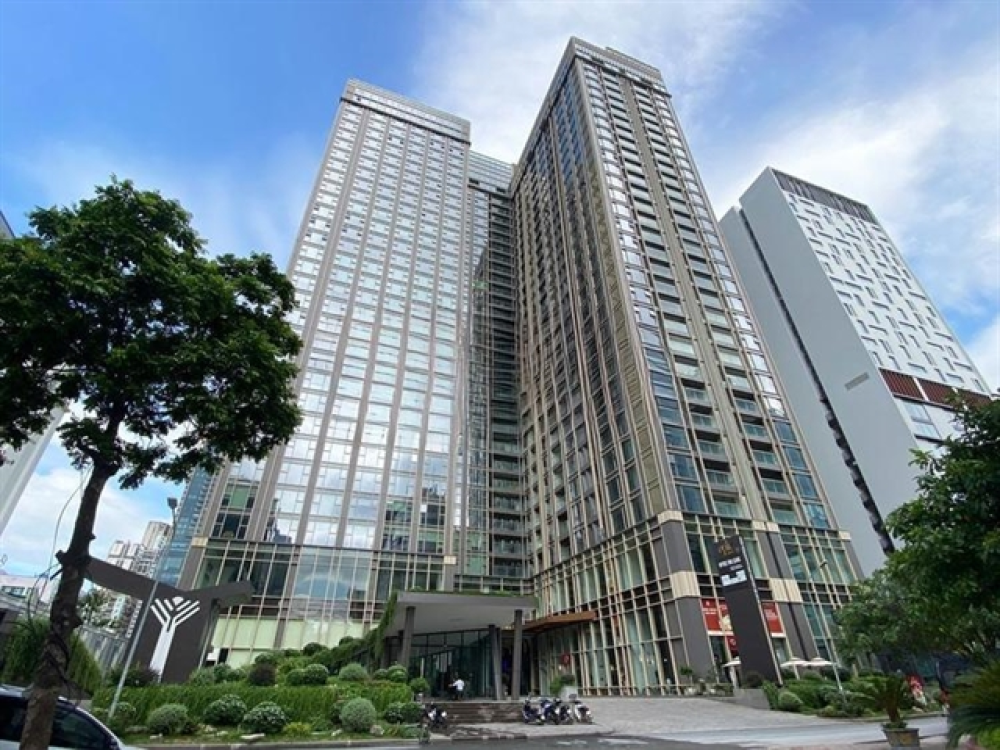
The emergence of diverse investment products such as industrial land funds, ready-built factories, and specialised segments like cold storage and data centres is creating abundant M&A opportunities.
JLL attributed the development of M&A to three core reasons.
One key reason is legal policy reforms that have emerged as a decisive factor, particularly with the issuance of Resolution 171/2024/QH15, which ushers in a new era for the market from April 2025, allowing investors to flexibly convert non-agricultural land into commercial housing projects. Alongside this, Resolution 68 has created a solid foundation for the private economy to develop strongly, while the government is actively improving the legal framework and innovating capital mobilisation mechanisms.
The need for corporate restructuring plays a crucial second role. Many domestic companies face liquidity challenges and accumulated bad debts from the 'hot' growth phase of 2020-2022, forcing them to seek M&A solutions to reorganise their finances and complete project legalities.
Stable monetary policy, with an average lending rate of 7-9 per cent, lower than in recent years, has created a favourable environment for capital access. This preferential interest rate not only helps balance competitiveness between domestic and international investors but also encourages long-term capital inflows into the market.
JLL recommended that Vietnamese businesses focus on improving four key factors to effectively attract investors.
First, they should ensure complete legal compliance of the asset, particularly land use rights documents and related permits, while preparing a detailed legal due diligence report.
Second, conducting professional valuations according to international standards and updating them regularly to accurately reflect market value is a key factor in negotiations.
Third, they should maintain flexibility in the transaction structure. Businesses need to be ready to consider various forms of cooperation, from joint ventures and strategic partnerships to complete asset transfers.
Finally, they should build a transparent financial system with internationally audited reports and clear corporate governance. Companies should invest in standardising their financial reporting systems and establishing rigorous internal governance processes to ensure success in future M&A deals, it added.
Source: VNS
Photo: Photo Courtesy of cafeland.vn