Lumen Vietnam Fund

Blog

Healthy and sustainable development for real estate market to be promoted

Healthy and sustainable development for real estate market to be promoted

Vietnam completed 170 housing projects with 46,962 units and commenced construction on 128 others with a total of 183,293 units from the beginning of 2026.

The Ministry of Construction will continue to closely monitor the real estate market in the final quarter of 2026 and propose timely measures to stabilise the market and promote healthy, sustainable development, the ministry said at its regular press conference on October 15.

The ministry highlighted a 10.31% year-on-year increase in the construction sector’s value added during the first nine months of the year.

In real estate, Vietnam completed 170 projects with 46,962 units and commenced construction on 128 others with a total of 183,293 units from the beginning of 2026. Of the new units, 140,492 were social housing apartments, while 42,801 were rental units.

Nationwide, 947 social housing projects, comprising 910,933 units with a combined investment of approximately VND841.34 trillion ($32 billion), are currently under development. The number of social housing projects completed, launched or approved in principle has reached 91% of the target under the national programme to build at least one million social housing units by 2030.

Rental housing development has also made progress. A total of 114 social housing projects incorporating 63,970 rental units are under development. More than 8,300 rental units have been completed, equivalent to 48% of the annual plan. The ministry expects 18,049 units to be completed by the end of 2026, reaching 105% of the assigned target.

Meanwhile, 395km of expressways were completed and fully opened to traffic nationwide in the first nine months, bringing Vietnam’s total expressway network to 3,345km.


Source: Phan Duong

Latest Posts

Pangasius exports to Middle East up 7%, led by Saudi Arabia

Pangasius exports to Middle East up 7%, led by Saudi Arabia

Vietnamese pangasius exports to the Middle East raked in US$113 million during the eight- month period of 2026, up 7% year-on-year, with Saudi Arabia leading the growth through a 52% surge.

According to the Vietnam Association of Seafood Exporters and Producers (VASEP), pangasius export turnover to the Middle East reached US$113 million during throughout the reviewed period, up 7% from the same period in 2025.

The upward momentum strengthened in recent months, with August exports alone reaching US$20 million, a 24% increase year-on-year.

VASEP noted that these figures indicate purchasing power for pangasius in the Middle East is gradually recovering following a slowdown in March 2026, though recovery rates remain uneven across regional markets.

Saudi Arabia stands out as the top destination. Cumulative eight-month pangasius exports to this market fetched US$37 million, up 52% year-on-year. In August alone, export turnover hit US$7 million, marking a 93% surge compared to the same period last year.

"With its large import volume and outstanding growth rate, Saudi Arabia serves as the main growth engine for Vietnam's pangasius exports to the Middle East in 2026," VASEP assessed.

The association added that compared to March, regional demand for pangasius has improved noticeably. Nevertheless, recovery is spearheaded primarily by a few key markets, most notably Saudi Arabia. Meanwhile, several other Middle Eastern nations maintain small import shares without clear signs of rebound. Consequently, regional demand has yet to show a uniform recovery.


Right policies must translate into tangible development capacity: Top leader

Right policies must translate into tangible development capacity: Top leader

The Party Central Committee’s decisions require changes in thinking and coordinated reforms in Party building, leadership methods and personnel work. Right policies must translate into tangible development capacity, demonstrated through the operational effectiveness of the political system, the economy’s competitiveness and improvements in people’s lives.


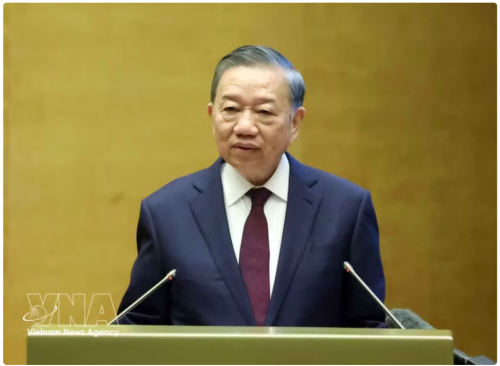
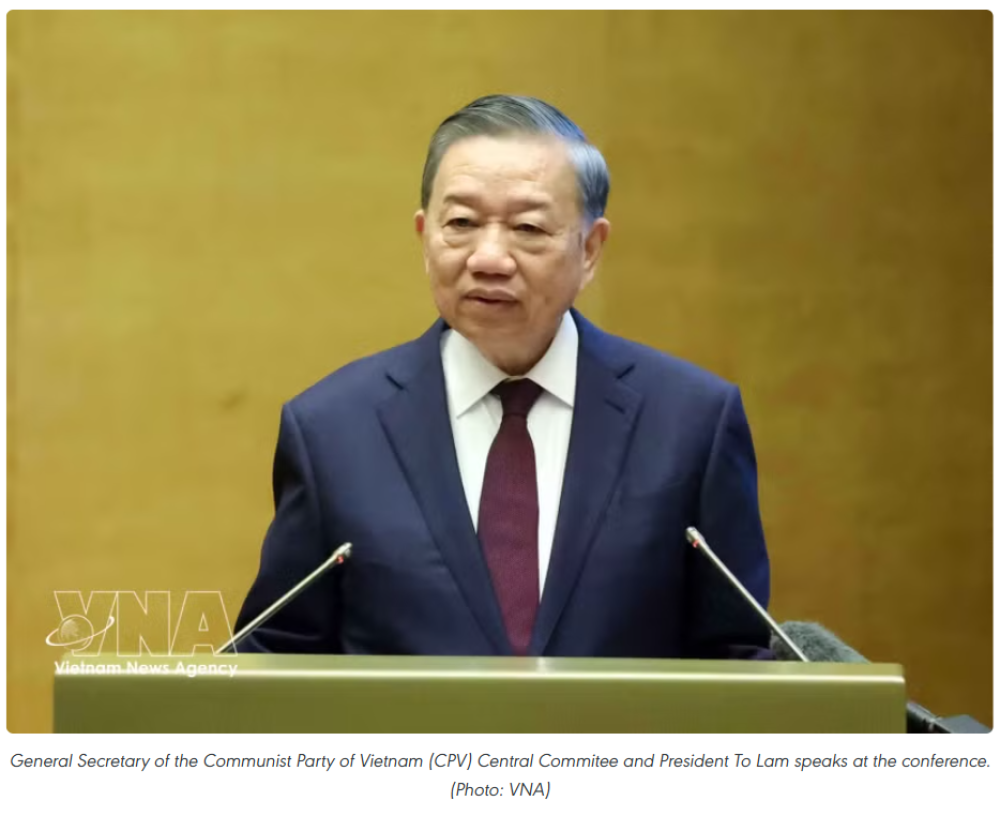
​Hanoi (VNA) – General Secretary of the Communist Party of Vietnam (CPV) Central Commitee and President To Lam called for sound policies to be translated into tangible development outcomes at a nationwide conference in Hanoi on October 16.

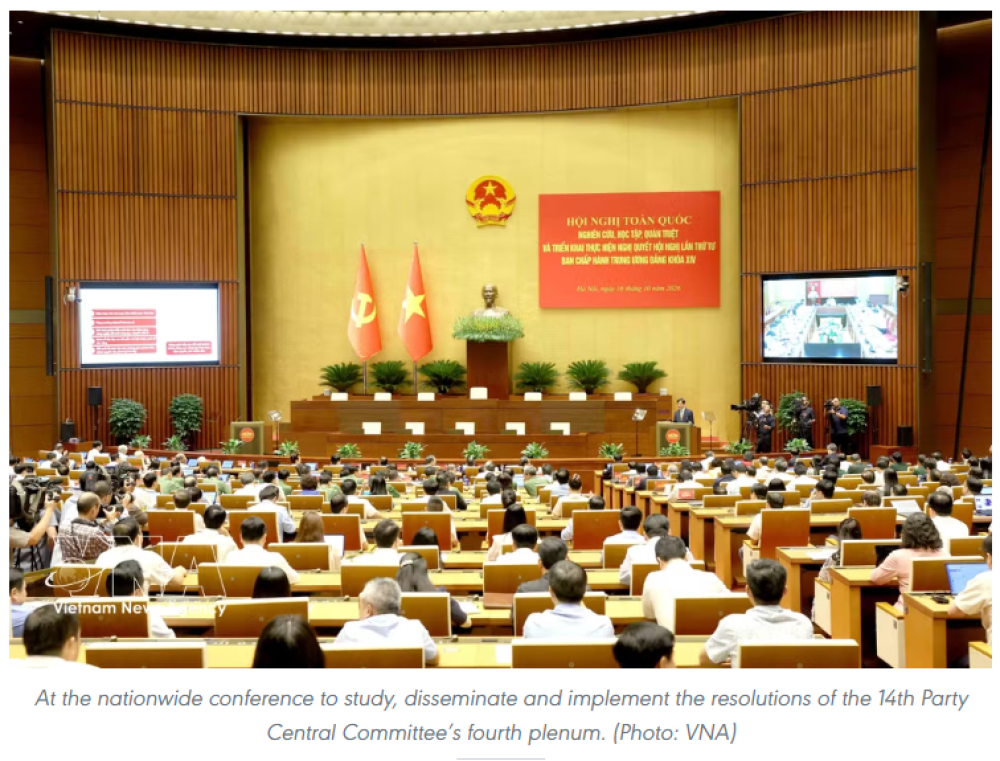
The nationwide conference to study, disseminate and implement the resolutions of the 14th Party Central Committee’s fourth plenum, hosted by the Party Central Committee’s Politburo and Secretariat, was connected online to more than 40,000 locations across the country.

Addressing the event, General Secretary and President To Lam stressed that following the policy decisions made since the beginning of the 14th National Party Congress term, the fourth plenum of the Party Central Committee focused on strengthening the decisive conditions for successfully implementing the Resolution of the 14th National Party Congress.

The Party Central Committee’s decisions require changes in thinking and coordinated reforms in Party building, leadership methods and personnel work. Right policies must translate into tangible development capacity, demonstrated through the operational effectiveness of the political system, the economy’s competitiveness and improvements in people’s lives.

To Lam said that as the ruling party leading the State and society, the CPV is accountable to the people for its policies and leadership outcomes.

Implementing the resolutions requires every Party committee and Party member to seriously examine why sound policies have not translated into timely action, why resources remain underutilised and why responsibilities have not been fully discharged. The causes must be identified so that corrective action can address leadership methods, the quality of policy advice, personnel appointments and implementation arrangements.

The results of Party building and rectification must be tested through the performance of tasks related to national construction and development, the defence of the Fatherland and efforts to improve people’s living standards, he noted.

The Party General Secretary and President called for Party building and rectification to be linked with reforms to the Party’s leadership and governance methods and improvements in implementation capacity.

Changes in leadership methods must go hand in hand with preparing cadres who have the necessary capabilities and sense of responsibility. When work stagnates or progress fails to materialise, the quality of the Party organisation, its leadership methods and the performance of the officials in charge must be examined. Assessments of Party organisations must be based on task performance and clarify leadership responsibility for shortcomings that remain unresolved.

Political, ideological and ethical Party building must reinforce adherence to Marxism-Leninism, Ho Chi Minh Thought, the goal of national independence and socialism, as well as strengthen political resolve and a commitment to serving the people.

According to the top leader, efforts to combat degradation in political ideology, “self-evolution” and “self-transformation”, corruption, wastefulness and other negative practices must be linked with building an environment of integrity and encouraging dedication. Reviews must clearly identify what has not been accomplished, the reasons, those responsible and corrective measures.

​Leaders must proactively accept responsibility, take feedback on board and make corrections. The same shortcomings must not continue to recur in annual reviews year after year, he said.

Renewing leadership methods begins with Party committees identifying the right issues requiring decisions and organising their implementation. Upholding the principle of democratic centralism and promoting collective wisdom must be accompanied by individual accountability, he added.

At the grassroots level, Party cell meetings must address issues closely related to assigned duties and people’s daily lives. When complaints arise about irresponsible officials, bureaucratic obstruction or prolonged unresolved petitions, Party organisations must examine the cases and require the responsible Party members to report on the matter and take corrective action.

The leader stressed the need to build, deploy and make effective use of the cadre contingent and attract and utilise talent to meet the country’s development requirements.

Each Party committee must review its personnel in light of task requirements, linking talent selection and training with performance assessments, personnel deployment and screening, he stated.

Assessments must be conducted regularly, with due weight given to political qualities, ethics, credibility and substantive contributions, while taking into account the conditions and difficulty of assigned tasks. Assessment results must be used promptly to assign work, provide further training or reassign cadres.

Reassignments must be evidence-based and comply with regulations. They should not be delayed until the end of a term or cause arbitrary disruption. Officials who fail to meet their responsibilities should be considered for replacement without waiting for misconduct serious enough to warrant disciplinary action. Reassignment must not serve as a substitute for handling violations.

Those who assess, recommend or appoint cadres must be held accountable for their evaluations and proposals. Firm action must be taken to prevent position-buying and power-buying, group interests and improper interference in personnel work, he added.

Cadres at the strategic level must be assessed on their ability to address major issues facing their sectors and localities within the broader context of national development. Preparing the next generation of cadres must involve assigning challenging tasks to develop and test their capabilities, with attention given to women, young people, ethnic minorities, and scientific and technical personnel, while ensuring standards and quality.

Under the two-tier local administration model, the quality of commune-level officials directly affects the effectiveness of implementing resolutions and public trust. Where grassroots capacity is weak, responsibility must be clarified for both those carrying out the work and the authorities responsible for personnel appointments.

The Party General Secretary and President said implementation of the talent strategy must be driven by the development needs of key sectors and fields. Developing domestic talent should serve as the foundation, while cooperation with Vietnamese intellectuals overseas and international experts should be expanded.

“Heads of agencies and organisations must be responsible for assigning work that matches individuals’ capabilities and creating conditions for talented people to make full use of their strengths and exercise initiative and creativity in their professional work. Performance assessments and remuneration policies must be based on their contributions,” he added. The leader stressed the need to promptly translate policies and decisions into institutional and legal frameworks, clearly delineate responsibilities and ensure the necessary conditions for implementation.

Party committees must review resolutions as part of the broader programme to implement the 14th National Party Congress resolution, identifying areas of complementarity, addressing overlaps and inconsistencies, and closing gaps in assigned tasks, he said.

Action plans should prioritise high-impact tasks and specify lead and coordinating agencies, lines of authority, deadlines, resources and expected outcomes. Tasks already assigned must continue to be implemented, avoiding duplicate assignments or overlapping plans.

“Authorities must proactively identify how bottlenecks to development are shifting. If institutional and regulatory obstacles have been removed but progress remains slow, they must reassess implementation capacity, inter-agency coordination and officials’ accountability,” he said.

Party General Secretary and President Lam noted that rules governing party members’ involvement in investment and business activities should encourage legitimate wealth creation, job generation and contributions to society, while safeguarding the standards of party membership.

Party members engaged in business must set an example in complying with the law and protecting workers’ legitimate rights and interests, he continued.

On decentralisation and the devolution of authority, he said each locality should tailor implementation to its own characteristics, needs and capacity while ensuring alignment with overarching objectives.

The leader also called for maximum efforts to meet the targets and tasks set for 2026 and ensure preparations are in place for the 2027 plan.

Ministries, agencies and local authorities were asked to review each target, identify delayed tasks and their causes, and take corrective action. Long-stalled projects that have resulted in waste must be addressed within the authorities’ respective mandates.

Meanwhile, local authorities were urged to coordinate on infrastructure, market and production-chain issues that extend beyond their jurisdictions. They should also create more favourable conditions for private businesses to expand investment and production and generate jobs.

“The target of GDP growth of at least 10% in 2027 requires each sector and locality to develop well-founded plans backed by a clear assessment of available resources and implementation capacity,” he said.

The top leader also touched upon the 2027 budget estimate, which, he said must be aligned with development targets and long-term fiscal sustainability.

He emphasied that all development plans must take into account employment, incomes and access to education, healthcare and essential services, particularly for people in disadvantaged areas. The gains from economic growth must create opportunities for every citizen to develop their potential and contribute to the country.

On inspection and oversight, he said leaders must visit the grassroots level to understand the work on the ground and the conditions for implementation. When results fall short, they must establish whether the causes lie in the decisions taken, resource allocation or the accountability of those responsible for execution.

Agencies responsible for policy implementation must proactively explain the policies, solicit feedback and address shortcomings, he said, adding the press should report results accurately, highlight successful approaches and identify obstacles requiring resolution, while challenging false and misleading information.

Vietnam-S.Korea trade on track to top $100bn in 2026

Vietnam-S.Korea trade on track to top $100bn in 2026

Bilateral trade between Vietnam and South Korea reached over US$82 billion in the first eight months of 2026, a record high for the same period, putting the two countries on track to surpass $100 billion in annual trade for the first time this year, according to Vietnam's Ministry of Foreign Affairs.

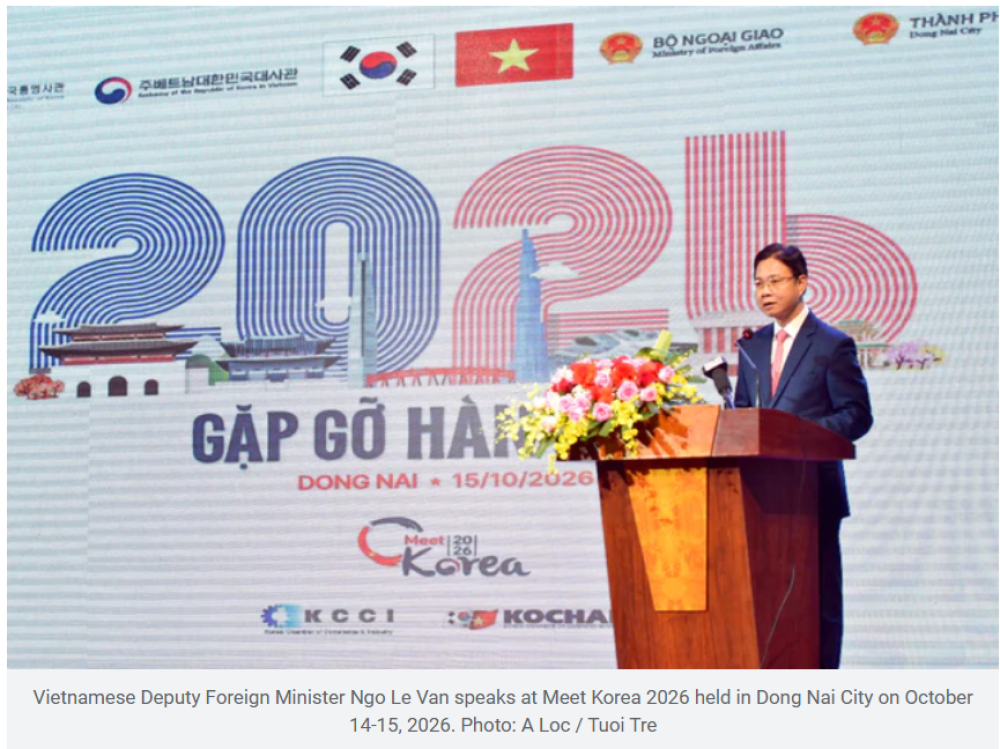
The figure was highlighted by Vietnamese Deputy Foreign Minister Ngo Le Van at Meet Korea 2026, a business networking conference held in Dong Nai City on October 14-15 and jointly organized by the city’s administration, the Ministry of Foreign Affairs and the South Korean Embassy in Vietnam.

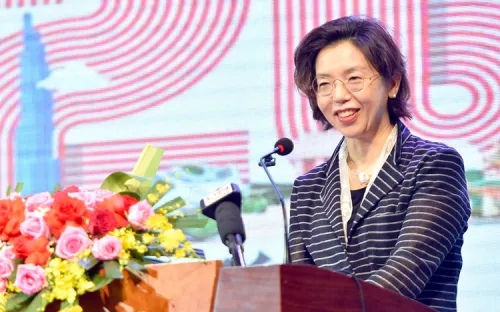
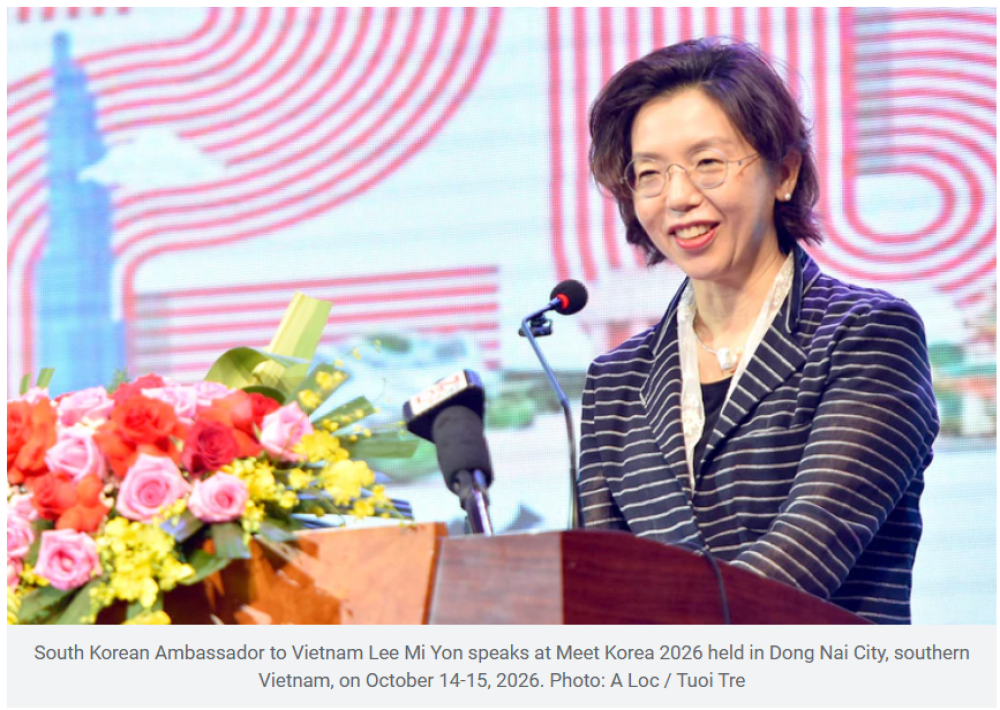
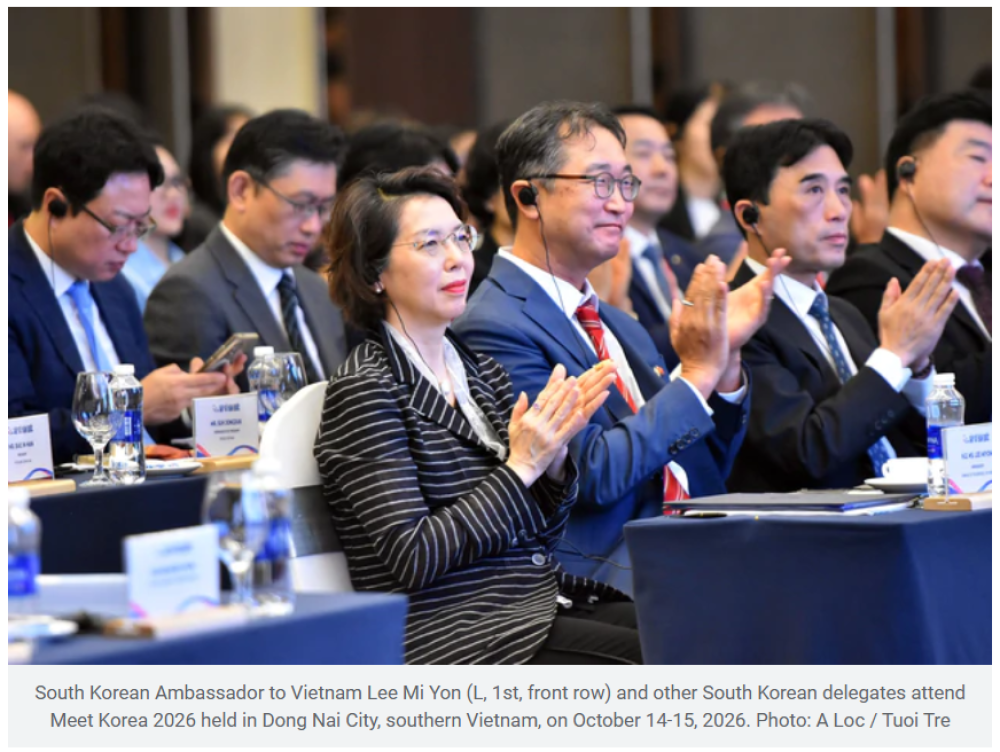
The event brought together around 400 delegates from Vietnamese ministries and localities, businesses and investment promotion organizations from both countries, with South Korean Ambassador to Vietnam Lee Mi Yon also in attendance.

Van said that more than three decades after Vietnam and South Korea established diplomatic relations, their comprehensive strategic partnership continued to deepen, with economic cooperation serving as a key pillar.

South Korea is Vietnam's third-largest trading partner, with bilateral trade reaching $89.5 billion in 2025, up 9.6 percent from 2024.

In the first eight months of 2026, bilateral trade reached $82.38 billion, up 42.2 percent year on year, putting the two countries on track to exceed $100 billion in annual trade for the first time this year.

Looking further ahead, both sides aim to increase bilateral trade to $150 billion by 2030.

South Korea is also Vietnam's largest foreign investor, with 10,598 projects and approximately $102.7 billion in registered capital, according to the Ministry of Foreign Affairs.

Van encouraged South Korean companies to make long-term investments in high technology, supporting industries and clean energy.

He also called for closer cooperation to build resilient and secure supply chains, particularly in semiconductors and energy, while enabling Vietnamese businesses to play a greater role.

Other priorities include developing a highly skilled workforce through cooperation among authorities, businesses and educational institutions, and expanding collaboration in science, technology, innovation and cultural industries.

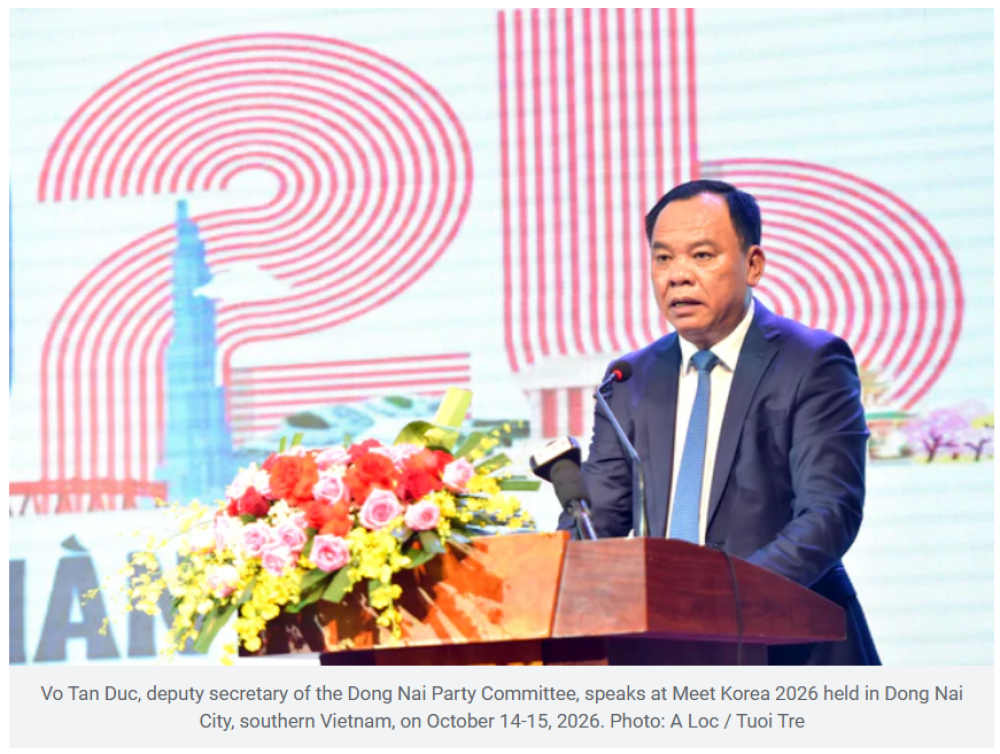
South Korea is also a major investor in Dong Nai, with 469 active projects worth more than $8.37 billion in registered capital, according to Vo Tan Duc, deputy secretary of the municipal Party Committee.

Given its strategic position in the southern region's industrial, manufacturing and logistics networks, as well as the upcoming opening of Long Thanh International Airport, Dong Nai has the potential to become "a multifunctional growth pole and a national innovation hub," Duc said.

Ambassador Lee said South Korean companies in Dong Nai have invested in manufacturing, components, spare parts and logistics, creating jobs for more than 170,000 workers.

She called for greater investment in advanced components and materials, environmentally friendly products, smart logistics, smart cities, critical minerals and the defense industry.

Lee also said South Korean investment in Vietnam's high-tech sector had increased by approximately 160 percent in 2026 compared with 2025.

She urged the Vietnamese government and local authorities to maintain stable, predictable investment policies and ensure consistent implementation.

See all blog