Foreign investment registered in Vietnam topped $38.05 billion in the first seven months of 2026, up 58% from a year earlier, as a sharp rise in digital technology and energy infrastructure projects helped diversify capital flows, while Ho Chi Minh City emerged as the country’s leading FDI destination.
At calculations of the Foreign Investment Agency (FIA), registered FDI includes newly registered capital, additional capital injected into existing projects, and capital contributed through stake acquisitions.
As many as 2,429 new projects were licensed in the seven-month period, an increase of 7.8% year-on-year, with newly registered capital exceeding $21 billion, up 109.7%.
There were 666 projects (down 27.6%) registering capital increases, with additional capital reaching more than $10.4 billion, up 4.4%.
Foreign investors also carried out 1,815 capital contribution and share purchase transactions, down 8.4% year-on-year in number, while their total value exceeded $6.5 billion, up 61.6%.
In July alone, newly registered capital remained a bright spot, with 416 new projects worth more than $3.6 billion, up 43% from June. Adjusted capital posted a net decline of $614 million, while capital contributions and share purchases totaled $363 million, down 82% from the previous month.
The developments show that new capital flows into Vietnam remain positive, but some existing investors are becoming more cautious about expanding project scale amid fluctuations in international trade, logistics costs and regional competition for investment, against the backdrop of geopolitical conflict in the Middle East and volatility in energy prices, the FIA said.
Digital technology investment surges, Hong Kong rises to third
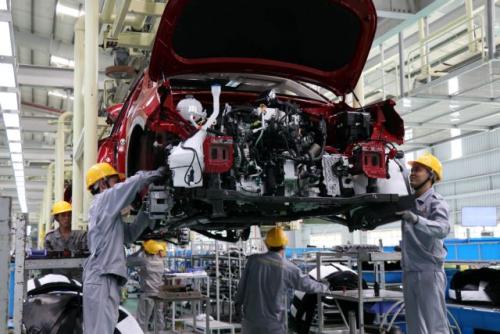
Manufacturing and processing continued to lead FDI attraction during the first seven months, drawing more than $18.68 billion, or 49.1% of total registered capital. Real estate business ranked second, with more than $5.65 billion, accounting for 14.9%.
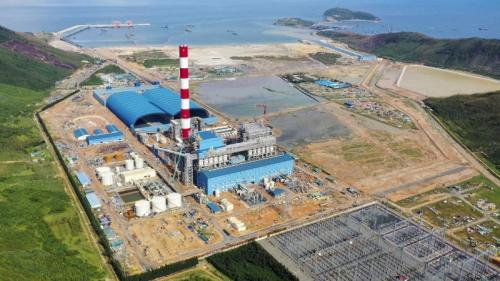
A notable change in the sectoral structure was the rise of energy infrastructure and digital technology. Electricity, gas, water supply and air-conditioning production and distribution ranked third, with $3.28 billion, or 8.6% of total registered capital, nearly 10 times the figure recorded in the same period last year.
The information and communications sector surged to fourth place with $3.18 billion, accounting for 8.4% and representing an increase of more than 80 times year-on-year. Professional, scientific and technical activities ranked fifth, with about $2.9 billion.
According to the FIA, the structure shows that FDI remains concentrated mainly in manufacturing and processing, but has diversified significantly into energy infrastructure and digital technology, driven by several large-scale projects.
"This is a positive signal of the trend toward expanding investment flows into infrastructure and technology. However, developments in the coming periods need to be monitored to assess the stability and sustainability of this trend," the agency said.
By investment partner, 91 countries and territories had invested in Vietnam during the first seven months, up from 85 in the first six months.
Singapore remained the largest investor, with more than $10.39 billion, accounting for 27.3% of the country's total registered FDI capital in the seven-month period. South Korea ranked second with more than $8.22 billion, or 21.6%.
Hong Kong rose to third place with $4.91 billion, up nearly 300% year-on-year, overtaking mainland China with $3.69 billion and Malaysia with $3.04 billion.
The five leading investment partners accounted for about 79.5% of total registered capital, down from 91% in the first six months, indicating that investment flows are becoming more diversified by source, although Asia remains dominant.
Another notable development was Indonesia's rise to sixth place, 30 positions higher than the same period last year, largely driven by capital contribution and share purchase transactions.
The FIA said the trend indicates that Indonesian companies are using equity investments and share purchases as a means of rapidly expanding their presence in the Vietnamese market.
China continued to lead in the number of newly registered projects, with 849 projects, accounting for 35% of the total. It also led in capital contribution and share purchase transactions, with 494 deals, or 27%.
South Korea and China both ranked first in the number of capital adjustments, with 125 each, further highlighting continued interest among Chinese companies in expanding investment in Vietnam amid supply-chain diversification.
HCMC leads, investment remains concentrated in major hubs
By location, foreign investors had invested in 30 of Vietnam's 34 provinces and cities during Jan-July.
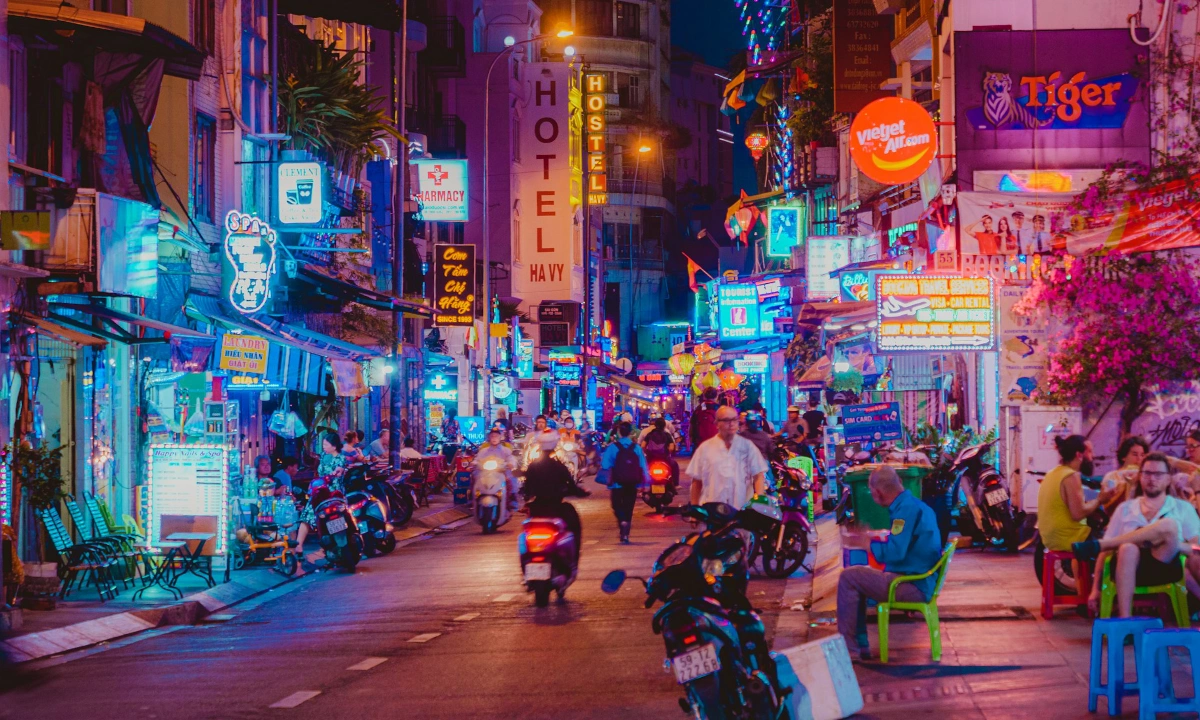
HCMC moved to the top with more than $10.34 billion in registered capital, accounting for 27.1% of the country's total and up 157.1% year-on-year. The city also led nationwide in the numbers of newly licensed projects (1,235), capital adjustments (189), and capital contribution and share purchase transactions (1,224).
Several large-scale projects have strengthened the city's position as Vietnam's leading FDI destination.
Notably, the Berjaya Vietnam International University Township project of Berjaya Corporation Berhad (Malaysia) registered an increase of about $2.8 billion in investment capital, while Evolution DC VN HCMC JSC's data center project was valued at more than $508 million.
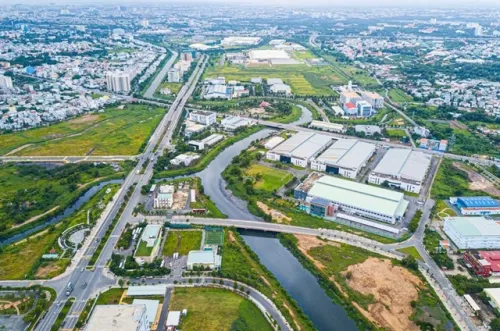
The southern hub also granted investment certificates to four high-tech projects at the Saigon Hi-Tech Park, with combined capital exceeding $1.23 billion.
Thai Nguyen ranked second with more than $8.06 billion, accounting for 21.1% of total registered capital. FDI into the northern province surged more than 22-fold year-on-year, mainly thanks to several very large-scale projects.
Hanoi came third with nearly $3.62 billion, or 9.5%; followed by its neighboring Bac Ninh province with $3.23 billion, or 8.5%. Meanwhile, Nghe An province in central Vietnam surged to fifth place with $2.38 billion, up nearly 680% year-on-year.
According to a report by the Hanoi People's Committee, although the capital's total registered FDI in the first seven months fell 9.7% year-on-year, the structure of investment flows shifted more positively toward high technology and innovation.
Professional, scientific and technical activities led with about $2.233 billion, accounting for more than 65% of the city's total, while information and communications attracted $298.7 million.
The concentration of investment remains a point of concern. HCMC and Thai Nguyen alone accounted for nearly half of the country's total registered capital. According to the FIA, this continues to underscore the need for a more balanced distribution of FDI among localities, alongside leveraging the strengths of established industry clusters.
In terms of FDI-sector activity, exports including crude oil were estimated at more than $255.8 billion, up 26.4% and accounting for 80.1% of the country's total export turnover. Exports excluding crude oil exceeded $255 billion, up 26.5% year-on-year.
On the import side, the FDI sector recorded more than $247.9 billion, up 39.2% and accounting for 73% of the country's total import turnover. Overall in the first seven months, the FDI sector posted a trade surplus of more than $7.9 billion including crude oil, while domestic enterprises recorded a trade deficit of more than $28.5 billion.
The FIA said FDI flows into Vietnam continued to expand as many multinational corporations shifted from a "wait-and-see" approach toward gradually spreading risks through "China + 1" strategies or by diversifying production locations.
However, competition for investment in the region is intensifying, particularly in semiconductors, artificial intelligence, data centers and renewable energy. This requires Vietnam to continue improving its power infrastructure, logistics, high-quality human resources and investment environment in order to maintain its position as a preferred investment destination.
The seven-month results show that Vietnam continues to have strong appeal in terms of the scale of registered capital. The more important challenge, however, is to convert these capital flows into actual investment, technology, production capacity and deeper linkages with domestic businesses.