Vietnam establishes National Multi-Project Wafer Coordination Centre
With a long-term operational roadmap and systematic investment, the centre is expected to serve as a launch pad for Vietnamese intellectual property to reach global markets.
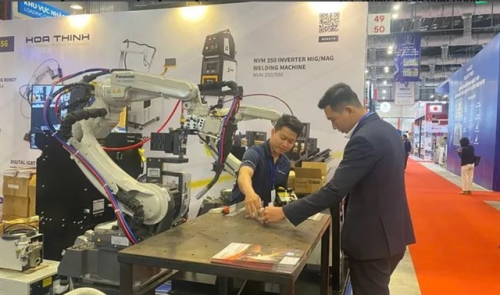
Hanoi (VNS/VNA) -The Minister of Science and Technology has signed a decision officially defining the functions, tasks and organisational structure of the Vietnam National Multi-Project Wafer Coordination Centre. It is a public service unit under the Authority of Information Technology Industry. Acting as a strategic hub, the centre will coordinate among research institutions, chip design enterprises and fabrication, packaging and testing facilities, both domestically and internationally. The establishment of the centre addresses one of the biggest challenges currently facing chip design entities, which is the need for comprehensive support throughout the pilot production chain. The centre will provide design tools, software libraries and in-depth technical support, helping transform ideas on paper into tangible products more quickly. Beyond its management role, the centre will focus on delivering essential public services. These include granting access to specialised electronic design automation software, sharing intellectual property libraries, and conducting technical design verification, as well as measuring and evaluating chip performance and quality after pilot production. Workforce training will be a core mission, with the centre organising intensive hands-on courses and supporting universities in chip design activities to help build a highly experienced engineering workforce for this key industry. In addition, start-ups will receive support in product commercialisation and connections with national investment funds. Notably, the centre has been tasked with developing the semiconductor ecosystem through enhanced international cooperation. This includes building collaborative networks with countries that have advanced semiconductor industries, promoting data sharing and encouraging the development of an open-technology chip design community. The establishment of the centre not only strengthens Vietnam’s technological self-reliance but also reinforces its position as a promising destination in the global semiconductor value chain. With a long-term operational roadmap and systematic investment, the centre is expected to serve as a launch pad for Vietnamese intellectual property to reach global markets.
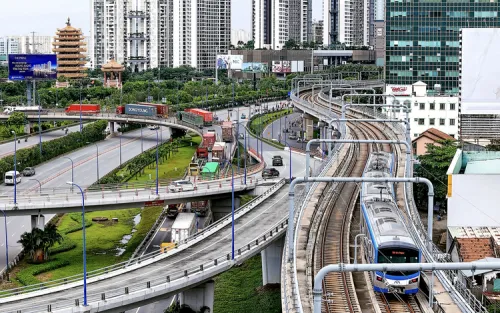
HCMC to add 5 more metro lines under special policy framework
The investment roadmap for all five projects is slated for the medium-term periods of 2026–2030 and 2031–2035.
During its recent 7th session, the 10th Ho Chi Minh City People’s Council officially passed a resolution to add five more urban railway projects to the list of priority works under National Assembly Resolution No. 188/2025/QH15 (Resolution 188).
Resolution 188 outlines the pilot application of special mechanisms and policies specifically designed to accelerate the development of urban railway networks in both Hanoi and Ho Chi Minh City.
Following this approval, Ho Chi Minh City will apply these special mechanisms to five more new urban railway projects aimed at enhancing regional connectivity and completing the city's transport infrastructure. The projects include: metro line 1 (connecting Binh Duong New City to Suoi Tien); metro line 2 (connecting Thu Dau Mot to Ho Chi Minh City); metro line 3 (Connecting Vung Tau – Ba Ria – Phu My); the Thu Thiem – Long Thanh line; and extension of the Ben Thanh – Suoi Tien Metro line to the Dong Nai Provincial Administrative Center and Long Thanh International Airport in Dong Nai province.
According to the proposal by the City People’s Committee, the investment roadmap for all five projects is slated for the medium-term periods of 2026–2030 and 2031–2035.
Regarding the investment model, the extension of the Ben Thanh – Suoi Tien line to Long Thanh Airport is expected to be carried out via Public-Private Partnership (PPP). The remaining four lines are planned to be funded through either public investment or the PPP model.
Vietnam's credit growth to hit 19% in 2025, highest in many years: central bank
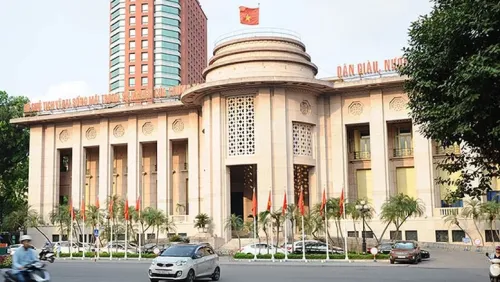
Vietnam’s credit growth has reached one of its highest levels in years, pushing the country’s credit-to-GDP ratio to the highest among lower-middle-income economies, according to the central bank.
At a press briefing on Monday, State Bank of Vietnam (SBV) Deputy Governor Pham Thanh Ha said outstanding credit across the banking system had risen 17.87% by December 24 compared to the beginning of the year, reaching VND18,400 trillion ($700 billion).
Credit flows have been directed mainly toward production and business activities, particularly priority sectors and key growth drivers in line with government policy, he added.
For the full year, credit expansion could reach about 19%, the highest level in many years, Pham Chi Quang, head of the SBV’s monetary policy department, told the press briefing.
“This is a very high growth rate. The SBV has repeatedly reported this to higher authorities,” Quang said, adding that Vietnam’s credit-to-GDP ratio has climbed to 146%, the highest among lower-middle-income countries.
In 2024, the credit growth was 15.08 %, government data shows.
Quang noted that banks face structural risks, as around 80% of their funding is short-term while about half of lending is medium- to long-term, creating a persistent mismatch and posing major challenges for risk management.
Credit growth of nearly 18% has also outpaced deposit growth of around 14%, putting pressure on system liquidity, especially ahead of the Lunar New Year when seasonal demand for funds typically rises. Banks are also facing intense competition from other investment channels, making it harder to mobilize deposits to meet credit demand, he said.
In response, the central bank has deployed a range of monetary policy tools, including open market operations (OMO) and a new foreign-exchange swap mechanism, to ensure system liquidity, he added.
The National Assembly, Vietnam's legislature, on November 12 approved a resolution setting an economic expansion target of at least 10% for 2026 and inflation controlled at around 4.5%.
The government aims to enlarge the national economy by 8.3-8.5% for 2025. GDP grew 7.85% in the first nine months. The figure was the second-highest levels in 11 years, except for 2023 which saw a strong surge post the pandemic.
Driving forces of the high economic growth are export, FDI inflows, public investment expansion, and domestic consumption.
The recommendation came as experts warned that 2026 would remain challenging, with significant capital pressures and risks related to interest rates, bad debts, exchange rates, and corporate bonds, Deputy Prime Minister Ho Duc Phoc, chairman of the council, said at a meeting last Friday.
At the same briefing on Monday, Dao Xuan Tuan, head of the SBV's foreign exchange management department, provided an update on licensing for gold bar production. Under current regulations, the central bank reviews and grants licences before December 15 each year.
So far, it has received nine applications from eligible commercial banks and enterprises seeking licences to produce gold bars. The central bank is coordinating with relevant ministries and agencies to conduct assessments, Tuan said.
“The process is being carried out cautiously to ensure compliance with regulations. Enterprises and banks themselves are also proceeding carefully when approaching the market, including weighing options for import permits,” he said.
On plans to establish a gold trading exchange, Tuan said proposals have been submitted to the Government.
In a report released on December 22, Singaporean bank UOB noted that Vietnam’s inflation rate has yet to show a meaningful slowdown. Year-to-date headline inflation rate hit 3.3% in Octover, vs average of 3.6% in 2024 and 3.26% in 2023.
Main drivers continue to be costs of housing & construction materials (6.2% year-on-year average year to date; 18.8% weight) and health care (17% year-on-year average year to date; 5.4% weight).
Combined with the potential for decent growth prospects going into 2026 and persistent VND weakness, these factors would constrain the SBV’s ability to ease policy. As such, UOB analysts expect the central bank to keep its refinancing rate steady at 4.5%.
Vietnam’s e-commerce booms, challenges remain: study
Vietnam’s e-commerce sector is expanding rapidly on the back of young, tech-savvy sellers, but challenges in logistics, platform fees, and competition from foreign players are clouding its long-term outlook, according to a new study by Milieu Insight.
The Singapore-based market research firm notes that Vietnam stands out regionally in e-commerce for the youthfulness and momentum of its online seller community.
Strong entrepreneurial momentum from young sellers
The study found that 74 percent of the e-commerce merchants surveyed have been operating for less than two years, while 33 percent are aged 18 to 24, well above the regional average of 27 percent.
Nearly one-third of sellers now process more than 100 orders per month, compared with a regional average of 22 percent, highlighting the speed at which Vietnamese merchants are scaling up.
Juda Kanaprach, co-founder and chief commercial officer at Milieu Insight, highlighted young sellers’ rapid expansion as a sign of entrepreneurial momentum, noting that sustained success requires clear fees, reliable logistics, and platform support.
Platform reliance fuels growth but exposes gaps
Milieu Insight noted that Vietnam’s e-commerce ecosystem remains heavily platform-centric.
Shopee is used by 78 percent of sellers, followed by TikTok Shop at 66 percent, Tiki at 20 percent, and Sendo at 10 percent, while only around six percent operate their own websites.
This reliance on major platforms has accelerated digital adoption for growth, with 80 percent of sellers saying digital management tools are essential and 78 percent valuing platform support such as training and guidance.
Confidence in platform services, however, remains uneven.
While more than half of sellers use platform-linked logistics and around 40 percent have adopted AI-powered tools, only 20 percent find analytics tools meaningful, and just 38 percent report clear improvements from platform-provided logistics solutions.
Nearly 80 percent of sellers called for deeper collaboration and more effective platform support.
Platform fees accepted only when returns are clear
Vietnamese sellers increasingly view platform fees as a necessary investment rather than a simple operating cost, but only when benefits are clear and measurable.
The study found that 51 percent of respondents accept fees tied to proven performance, while 41 percent are willing to pay when platform charges clearly translate into higher sales.
At the same time, 44 percent said they lose confidence in platforms if the benefits of fees are unclear, highlighting the importance of fee transparency for user confidence.
Logistics remains persistent bottleneck
Logistics continues to rank among the most pressing challenges for online sellers.
Forty-eight percent of respondents reported late deliveries or damaged goods, while 42 percent cited unpredictable shipping costs.
Many sellers said inconsistent logistics undermines customer satisfaction, store ratings, and repeat purchases.
An overwhelming 85 percent believe platforms should impose stricter standards on third-party logistics providers, calling for improvements in parcel handling, delivery speed, and overall reliability.
Buyer protection features such as product verification, secure payment systems, and reliable delivery are highly valued, helping increase purchase frequency, order volumes, store ratings, and average basket values.
Local sellers face fierce competition from foreign players
Beyond operational constraints, competition from international sellers has emerged as a major concern among domestic traders.
Eighty percent of the Vietnamese merchants surveyed said they face intense pressure from overseas brands, resulting in lowered prices, reduced visibility on platforms, and squeezed profit margins.
Many have had to offer steep discounts to stay competitive, eroding margins and threatening long-term viability.
As a result, sellers are calling for stronger promotional support for domestic businesses, local incentives, tax relief, and measures to prevent unfair competition.
Seventy-four percent of respondents said sustainable growth in Vietnam’s e-commerce sector depends on coordinated efforts from sellers, platforms, and regulators.
The Milieu Insight study also noted that success hinges on addressing key challenges in logistics, fee transparency, and competition from foreign players.
Hanoi highlights ten major outcomes in 2025
The ten major outcomes span governance reform, economic growth, institutional restructuring and digital transformation despite a year marked by heavy workloads and unprecedented challenges.
THE HANOI TIMES —Hanoi on December 29 highlighted ten major outcomes achieved in 2025 at a citywide conference reviewing the year’s performance and rolling out tasks for 2026.
City leaders said 2025 posed exceptional challenges,with heavy workloads and urgent demands, yet Hanoi still delivered wide-ranging results in governance, economic growth, institutional reform and digital transformation.
First, Hanoi renewed the Party’s leadership mindset and methods, creating a strong shift in implementation across the political system and reinforcing coordination among four pillars, including the Party, the People’s Council, the People’s Committee and the Fatherland Front and socio-political organizations.
Second, the city decisively restructured the organizational apparatus of the political system and effectively operated the two-tier local government model, improving governance efficiency and service quality for residents and businesses.
Third, Hanoi successfully organized Party congresses at all levels, along with congresses of the Fatherland Front and socio-political organizations for the 2025-2030 term and promptly translated adopted resolutions into action.
Fourth, the capital took a pioneering role in implementing seven strategic resolutions of the Politburo, as well as key directives of the Party Central Committee and Party General Secretary To Lam.
Fifth, the city focused on resolving five long-standing bottlenecks including urban order, traffic congestion, environmental pollution, flooding and food safety, while improving institutions, infrastructure and resources for long-term development.
Sixth, Hanoi hosted major events marking national and city anniversaries, including celebrations of the 80th anniversary of the August Revolution and National Day, reinforcing the capital’s role and stature.
Seventh, the entire political system was mobilized to achieve economic growth of over 8 percent,with state budget revenue exceeding VND600 trillion (US$24 billion) for the first time. As of December 25, 2025, GRDP growth reached 8.16 percent, while budget revenue surpassed VND668.5 trillion (US$26.8 billion).
Eighth, the city made breakthroughs in site clearance and in resolving long-standing project bottlenecks, including the rapid completion of land clearance for Ring Road 1, and the launch of strategic projects such as the Olympic Sports Urban Area and the Red River scenic boulevard.
Ninth, Hanoi reaffirmed its leading role in development driven by science, technology, innovation, and digital transformation, ranking first nationwide for three consecutive years in the Provincial Innovation Index and piloting the integration of Party administrative procedures into the National Public Service Portal.
Tenth, the city accelerated decentralization and delegation of authority to grassroots authorities, enhancing autonomy and accountability under the principle of “local decision-making, local implementation, local responsibility.”
The conference was jointly organized by the Hanoi Party Committee, the Municipal People’s Council, the People’s Committee and the Vietnam Fatherland Front Committee of Hanoi. It was held in person at the Party Committee headquarters and connected online to 134 venues, with the participation of more than 11,900 delegates.
This marked the first time Hanoi has organized its annual review conference in a hybrid format citywide, replacing nearly 1,600 separate meetings previously held at different levels. The approach aligns with the Secretariat’s Conclusion No. 226, dated December 11, 2025, on improving discipline and effectiveness across the political system.
The Hanoi Timeswill update readers on the conference, with details of the city’s tasks for 2026.
Việt Nam positions itself as a key Southeast Asian economic hub: Thai newspaper
The Thai chamber expects Việt Nam to remain among the region’s fastest-growing economies over the next five years.
HÀ NỘI — Thailand’s The Nation newspaper on December 28 published an article noting that Vietnam is rapidly establishing itself as a key economic hub in Southeast Asia, delivering some of ASEAN’s strongest GDP growth as the government pushes industrial reforms, accelerates infrastructure development, and steers the economy towards a greener growth model.
According to the article titled “Việt Nam positions itself as a key Southeast Asian economic hub,” Vietnam is currently among the fastest-growing economies in the ASEAN. Citing data from the Thai Chamber of Commerce and Industry in Việt Nam, it said Vietnam’s gross domestic product (GDP) recorded strong quarterly growth in 2025, rising by 6.93 per cent in the first quarter, 7.7 per cent in the second quarter and 8.23 per cent in the third quarter – far outpacing many regional economies.
Overall, GDP expanded by 7.85 per cent in the first nine months of the year, second only to the 9.4 per cent growth recorded in the same period of 2022, reflecting Việt Nam's sustained recovery momentum amid a regional economic slowdown.
The Thai chamber expects Việt Nam to remain among the region’s fastest-growing economies over the next five years. It noted that while Thailand is likely to grow at a steadier pace, Việt Nam’s economy is forecast to reach a similar size by 2029.
Việt Nam is pursuing an annual GDP growth target of 10 per cent from 2026 to 2030 as it aims to achieve high-income status by 2045, the chamber said. GDP per capita is projected to rise from nearly US$5,000 in 2024 to around $8,500 by 2030.
Việt Nam’s growth outlook is underpinned by several structural advantages, including a population of more than 100 million, with nearly 70 per cent of working age, competitive labour and energy costs compared with regional peers, and a relatively stable political environment and monetary policy. Beyond short-term advantages, the country is also pursuing a long-term green development strategy, aiming to achieve net-zero emissions by 2050.
Foreign direct investment (FDI) inflows into Việt Nam reached around $38 billion in 2024, surpassing Thailand, and are increasingly concentrated in high-tech industries and artificial intelligence.
The chamber noted that Việt Nam’s development roadmap is anchored in administrative reform, accelerated infrastructure development, improvements in human capital quality, and a shift towards higher value-added industries.
The article also said Việt Nam continues to benefit from global supply chain diversification trends thanks to its favourable investment climate and an increasingly prominent role in regional value chains, particularly in high-tech sectors.
The Nation concluded that, with its large population, rapidly growing domestic demand, deepening administrative reforms and sustained FDI inflows, Việt Nam is steadily emerging as a dynamic economic hub in Southeast Asia.
HCMC real estate gains appeal as International Financial Center to take shape
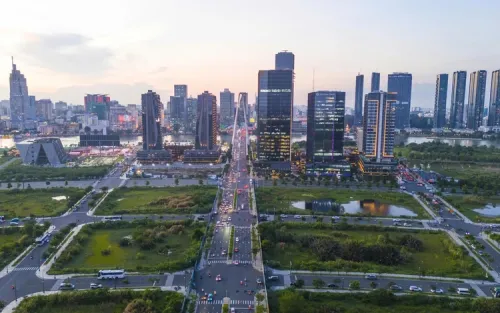
With the establishment of an International Financial Center, Ho Chi Minh City will form an elite community of entrepreneurs and professionals from around the globe. This is very attractive for real estate investors, saysarchitect Truong Van Quang,deputy secretary generalof theVietnam Urban Planning and Development Association (VUPDA).
Capital from investors in the northern region, especially Hanoi, has been strongly shifting into the southern real estate market. What is your assessment of the underlying driving force behind this strong "southward migration" of capital?
This strong "southward migration" of capital is due to several reasons. Real estate prices in the North are currently too high. Meanwhile, the South, after the restructuring of territorial space and the redistribution of production forces, has become the most dynamic economic region in the country with many development poles, opening up opportunities for multilateral, comprehensive, and highly integrated business and investment.
The new HCMC (after the merger with Ba Ria-Vung Tau and Binh Duong provinces) will become a regional-scale center for finance, services, trade, logistics, high-tech industries, and coastal tourism, with a development orientation based on digital technology; a green economy; environmental sustainability; and a harmonious, interconnected and open society embodying the advanced values of Asia and the world.
As the "economic heart" of the country, HCMC has become a leading megacity in Southeast Asia and Asia, with over 14 million inhabitants, accounting for approximately 24% of the national GDP. The city possesses a "soft" ecosystem, with distinctive mechanisms and policies.
Therefore, the HCMC real estate market will certainly benefit, becoming the most attractive destination for investment capital at present. In fact, investors from the North, especially Hanoi, account for a large proportion of investors in the southern real estate market.
What are the core factors that contribute to the enduring appeal and continuous value appreciation of the luxury real estate segment in the heart of Ho Chi Minh City?
The attractiveness of the luxury real estate segment in the central area of HCMC is shaped by several factors.
Firstly, the vision for HCMC's future development is to become an "international megacity" - a smart, green, and innovative city, exemplary not only in terms of economic strength but also in its richness of culture, art, sports, entertainment, and a modern, dynamic, youthful, and fresh lifestyle.
Secondly, the city benefits from distinctive mechanisms and policies (the Politburo's Resolution 31-NQ/TW; the parliament's Resolution 98/2023/QH15).
Thirdly, HCMC has a prime location and a well-compiled urban development plan (the Prime Minister's Decision No. 1125/QD-TTg: Approving the revised master plan for HCMC until 2040, with a vision to 2060).
Fourth, HCMC has a comprehensively planned and modern transport infrastructure system, capable of flexibly connecting the city with neighboring localities, the whole country, and internationally according to strategic priorities; strengthening connections between areas within the city to organize urban activities efficiently; and developing the city according to the orientation of public transport development.
Fifth, it has a high-class living ecosystem, a modern, ecological, and sustainable city with diverse amenities.
The value of luxury real estate in the heart of HCMC tends to increase sustainably due to the above advantages and the pressure from limited land supply, scarcity of supply, and continuously increasing demand from the superior economic efficiency and quality of life that this segment offers.
As Ho Chi Minh City aims to become a world-class megacity, what essential requirements and trends must luxury real estate projects in the city center meet to not only attract high-quality investment but also create a sustainable, civilized community with international standards?
Technical infrastructure and institutions are necessary conditions, however, the sufficient condition for the successful development of HCMC's central urban area is to create "soft" infrastructure - a high-quality living and working environment to attract talent, experts, and international investors to settle and work there.
Social infrastructure (schools, hospitals, sports facilities, public amenities, etc.) is a fundamental and mandatory requirement for the sustainable development of residential communities. Projects must be built according to the criteria of "Integrated - smart - TOD - green - civilized and friendly".
In particular, it is necessary to create attractiveness through the uniqueness or "personality" of the project. It is essential to promote the value of the diverse architectural, landscape, and ecological space of the city, especially the distinctive values of a riverside and coastal urban area, and to adapt to climate change.
What will the presence of foreign experts and investors living, working, and investing in the International Financial Center impact Ho Chi Minh City's luxury property market? And their impact on the formation of an elite residential community in next-generation financial city models?
HCMC is an attractive destination, a hub for talent and entrepreneurs from both Vietnam and abroad, a center for startups and innovation, and a breeding ground for cutting-edge trends and models, especially with the presence of the International Financial Center.
HCMC is not only the economic engine of the nation but will also become a modern metropolis with significant influence within the global network of cities. It will form a community of global elite residents, including entrepreneurs and professionals from many countries around the world.
I believe that rental prices will be very attractive for investors. The value of the apartments will increase significantly and sustainably as infrastructure develops over time.
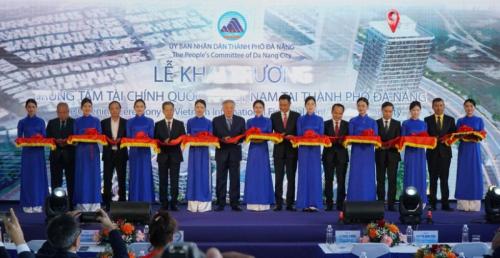
Vietnam on December 21 announced the establishment of its International Financial Center (IFC), with Prime Minister Pham Minh Chinh pledging to fast-track the resolution of investor difficulties through a “special process”.
The IFC is located in both HCMC and Danang, following the model of “one center, two destinations,” according to a resolution adopted by the country’s legislature in June.
HCMC will serve as the main hub, focusing on large-scale financial markets including securities, bonds, banking, fund management, and listing services. Danang will prioritize financial services related to logistics, maritime activities, free trade, and supply chains for industrial and agricultural sectors.
De Lasala said Spanish Prime Minister Pedro Sánchez’s official visit to Vietnam in April 2025 - the first by a Spanish prime minister since diplomatic ties were established in 1977 - marked a historic milestone, as leaders of the two countries agreed to work towards upgrading the bilateral relations to a comprehensive strategic partnership, a goal reinforced by the inaugural meeting of the Joint Committee for Economic, Trade, and Investment Cooperation held in Madrid two months ago.
Hanoi (VNA) -Spanish Ambassador to Vietnam Carmen Cano De Lasala has described 2025 as a “highly important and special” year, marked by pivotal milestones that laid a solid foundation for the two countries to elevate the bilateral relations to a comprehensive strategic partnership in the near future. In a recent interview granted to the Vietnam News Agency (VNA), De Lasala said Spanish Prime Minister Pedro Sánchez’s official visit to Vietnam in April 2025 - the first by a Spanish prime minister since diplomatic ties were established in 1977 - marked a historic milestone, as leaders of the two countries agreed to work towards upgrading the bilateral relations to a comprehensive strategic partnership, a goal reinforced by the inaugural meeting of the Joint Committee for Economic, Trade, and Investment Cooperation held in Madrid two months ago. Despite the geographical distance, people-to-people ties between the two countries have grown stronger than ever, she stated, adding that Spaniards feel extremely comfortable in Vietnam, where they are always welcomed with warmth and sincerity. A record of nearly 100,000 Spanish tourists visit Vietnam each year, vividly underscoring the Southeast Asian country’s growing appeal, she noted, adding that Spain’s newly released Foreign Action Strategy identifies Vietnam as a top-priority partner to fully unlock the potential for bilateral cooperation.
Regarding the European Union (EU) - Vietnam diplomatic relations and five years of the implementation of the EU – Vietnam Free Trade Agreement (EVFTA), the diplomat noted the agreement had been extremely positive for the bilateral ties. Since the agreement took effect, EU–Vietnam trade has surged by 46%. The bilateral trade with Spain alone rose 17% in 2024, hitting 6 billion EUR (over 7 billion USD).
However, the ambassador emphasised that efforts are needed to address the current trade imbalance, as Spanish exports to Vietnam remain relatively modest compared with their potential.
De Lasala called for the removal of non-tariff barriers and encouraging Spanish companies operating in key sectors such as infrastructure, energy, textiles, pharmaceuticals, and tourism to engage more deeply in Vietnam’s impressive socio-economic development. She also highlighted that Spain was among the first EU countries to ratify the EU–Vietnam Investment Protection Agreement (EVIPA).
Regarding sustainable development, the diplomat particularly spotlighted the long-standing maritime tradition of both countries, noting that Spain is not only a member of the International Maritime Organisation (IMO) but also the world’s second-largest fishing power.
For efforts to lift the European Commission's “yellow card” for illegal, unreported, and unregulated (IUU) fishing, the ambassador affirmed that this is a key and decisive task to protect the ocean. She stated that Spain has invested heavily in both technology and human resources in this fight, much like Vietnam is determined to do.
De Lasala emphasised that the Memorandum of Understanding (MoU) signed between the two countries in April this year has opened the door to deeper cooperation in the fisheries sector.
Spain stands ready to share its valuable practical experience with Vietnam to jointly promote sustainable ocean management and blue economic development, she added.
HCMC proposes adding 5 metro lines connecting Long Thanh airport, Binh Duong, Vung Tau
The Ho Chi Minh City People’s Committee has proposed adding five metro lines to the appendix of the parliamentary Resolution No. 188 on piloting special mechanisms and policies to develop the urban railway network in Hanoi and HCMC. This addition is permitted by the Vietnamese legislature to meet the city’s development needs, after it merged with Binh Duong and Ba Ria-Vung Tau provinces in July to form the new HCMC, as stipulated in Resolution No. 98 (amended).
According to the proposal, the five metro lines include Binh Duong New City-Suoi Tien (Line No. 1); Thu Dau Mot City-HCMC (Line No. 2); Vung Tau-Ba Ria-Phu My (Line No. 3); Thu Thiem-Long Thanh; and the extension of the Ben Thanh-Suoi Tien line to the administrative center and Long Thanh International Airport of Dong Nai province.
All five lines are planned for implementation during the medium-term phases of 2026-2030 and 2031-2035, and will be invested through public investment or public-private partnership (PPP) models.
Thu Thiem-Long Thanh line
On October 29, 2025, the Prime Minister issued a decision approving adjustments to the railway network plan for the 2021-2030 period, with a vision to 2050.
Accordingly, the Thu Thiem-Long Thanh line is removed from the national railway plan and converted into an urban railway; HCMC and Dong Nai province are assigned to include this line in their master plans and related schemes.
Currently, the two localities are reviewing and updating their respective master plans. The parliament's Resolution No. 260/2025 amending and supplementing Resolution No. 98 also allows the HCMC People’s Committee to approve the city master plan and adjust it concurrently with the preparation, appraisal, and approval of project investment policy and investment decisions.
The route starts from Thu Thiem station, running parallel on the right side of the HCMC-Long Thanh-Dau Giay Expressway and the North-South high-speed railway. It then turns right, crosses Ring Road 3, and runs parallel on the left side of Ring Road 3, continuing to cross the Dong Nai River at a point about 62.5 meters upstream from the centerline of the Dong Nai Bridge on Ring Road 3 (Phase 1).
After crossing the Dong Nai River, the line continues closely along Ring Road 3 and enters the left median strip of Ring Road 3 in accordance with the planning of Dong Nai province’s former Nhon Trach district. The route then turns left into the median of Provincial Road 25B (as planned), before turning right to separate from Provincial Road 25B and head toward Long Thanh airport.
The line aims to address the urgent need for connectivity between HCMC, Tan Son Nhat International Airport, and Long Thanh International Airport using a high-capacity, modern, environmentally-friendly mode of transport, while the road transport network is already overloaded.
Although the line passes through both HCMC and Dong Nai province, the two localities have agreed to assign the HCMC People’s Committee as the competent authority and HCMC is authorized to apply the special mechanisms and policies under Resolution No. 188/2025/QH15.
During implementation, flexible application of the special mechanisms under the Railway Law and Resolution No. 188/2025/QH15 will be adopted to ensure compliance with legal regulations.
Extended Ben Thanh-Suoi Tien line
The extension of the Ben Thanh-Suoi Tien metro line to HCMC's administrative center and Long Thanh International Airport in Dong Nai province has been identified in Dong Nai province’s approved master plan for the 2021-2030 period, with a vision to 2050.
The route starts from Station S0 at Tan Van (HCMC), follows the planned alignment, crosses the Dong Nai River, and runs along National Highway 1 to connect with Station SC of the new provincial administrative center.
It then follows the planned corridor of the Bien Hoa - Long Thanh railway line along Provincial Road DT.771, crosses the HCMC - Long Thanh Expressway, connects to Station SA, and continues along the planned railway corridor into Long Thanh airport.
The total length of the line is approximately 41.4 kilometers, of which about 1.1 km lies within HCMC.
The project aims to extend the Ben Thanh - Suoi Tien Metro line to the provincial administrative center and Long Thanh International Airport, meeting the urgent demand for connectivity between HCMC and Dong Nai province through a modern, environmentally friendly transport mode. It also contributes to maximizing the efficiency of Long Thanh International Airport operations, urban services, tourism, and logistics, thereby promoting socio-economic development in both localities.
The project will enhance transport capacity, reduce congestion on currently overloaded road corridors such as Hanoi Highway and National Highway 51, create new development spaces, accelerate urban development, promote compact urban development under the Transit Oriented Development (TOD) model, redistribute population and labor along the corridor, and improve economic competitiveness, creating momentum for industrial, tourism, and service development.
Line No. 1: Binh Duong New City-Suoi Tien
This line has been identified in the former Binh Duong province’s master plan for the 2021-2030 period, with a vision to 2050, and is included in the list of priority investment projects for the 2025-2030 phase.
The route runs from the central roundabout of Binh Duong New City via Hung Vuong street, My Phuoc - Tan Van expressway, to Long Binh depot.
The objective is to expand the urban railway network by synchronously connecting with Metro Line No. 1 (Ben Thanh – Suoi Tien), which has been officially put into operation since December 2024.
The line will connect the two administrative and political centers of HCMC from Binh Duong ward to Saigon ward, using modern, environmentally friendly public transport, increase transport capacity, and reduce traffic load on the My Phuoc – Tan Van road corridor.
It will also create new development spaces, accelerate urban development, promote compact TOD-based urban development, redistribute population and labor along the corridor, and enhance economic competitiveness, driving industrial, tourism, and service development.
Line No. 2: Thu Dau Mot City-Ho Chi Minh City
This line has also been named in the former Binh Duong province’s master plan for the 2021-2030 period, with a vision to 2050, with an investment roadmap for 2025-2030.
The metro line will run from Thu Dau Mot via Hung Vuong street, Pham Ngoc Thach street, National Highway 13, Vinh Binh Bridge, and connect with HCMC Metro Line No. 3, using the Hiep Binh Phuoc depot.
It aims to expand the urban railway network by connecting Line No. 2 (Thu Dau Mot-HCMC) with Urban Railway Line No. 3 (Hiep Binh Phuoc-An Ha), forming a central radial corridor.
The project will directly connect Thu Dau Mot ward and surrounding areas along the corridor to central HCMC with modern, environmentally-friendly public transport, increase transport capacity, and reduce congestion at the gateway on National Highway 13, which is currently overloaded and frequently congested.
It will also create new development spaces, accelerate urban development, promote compact TOD-based urban development, redistribute population and labor along the corridor, and enhance economic competitiveness, driving industrial, tourism, and service development.
Line No. 3: Vung Tau-Ba Ria-Phu My
This line has been identified in the former Ba Ria-Vung Tau province’s master plan for the 2021-2030 period, with a vision to 2050, and includes options for connection to Long Thanh International Airport in Dong Nai province.
The metro line will run along 3/2 Street-Chi Linh Tourist Area-Vung Tau-Binh Chau Road-Coastal Road-Road 55-National Highway 51.
The aim is to connect Long Thanh International Airport and areas along the route with the center of Vung Tau ward, promote tourism development in coastal areas, and form an economic, tourism, and coastal urban growth axis, creating a safe, clean, high-quality living environment oriented toward harmonious development with nature.
At the same time, the project will contribute to the formation of a national-level logistics center, the establishment of a free trade zone in Cai Mep Ha, attract strategic investors, and develop a comprehensive and integrated ecosystem in line with leading international standards.
Vietnam’s shrimp exports projected to hit record $4.6 bln in 2025
In 2026, experts suggest that if businesses continue to diversify into the CPTPP, EU, and Middle East markets while prioritizing value-added products, Vietnam’s shrimp industry can still maintain growth despite a challenging global landscape.
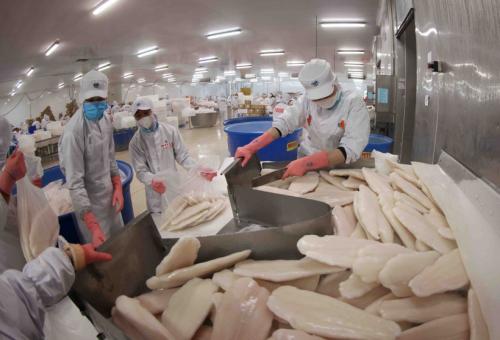
With sustained growth momentum over the first 11 months of the year, Vietnam’s shrimp export turnover for the full year 2025 is projected to reach $4.6 billion, marking an all-time historic high.
According to data from Vietnam Customs, cumulative shrimp exports from the beginning of the year through November 2025 reached $4.3 billion, a 21% increase compared to the same period last year.
The performance over the past 11 months reflects a clear recovery in global consumer demand, particularly for processed shrimp and premium segments. In a context where many other industries still face significant hurdles, Vietnam’s shrimp industry has demonstrated a remarkable ability to adapt quickly to market fluctuations, trade policies, and shifting consumer trends.
Mainland China and Hong Kong (China) remain the largest destinations for Vietnamese shrimp. In the first 11 months of 2025, export turnover to these markets reached $1.2 billion, accounting for more than 28% of Vietnam's total shrimp exports and surging by 59% year-on-year.
However, competition in these markets is intensifying. While Ecuador and India maintain an edge in the low-cost segment, Thailand and Vietnam are competing directly in the premium and processed product categories. Furthermore, stringent requirements regarding traceability, border controls, and changes in Chinese customs policies continue to pose significant challenges for Vietnamese exporters.
The CPTPP (Comprehensive and Progressive Agreement for Trans-Pacific Partnership) bloc remains a bright spot, with export turnover reaching $1.2 billion in the first 11 months, a 32% increase. Japan maintains its role as a key market with $535 million, up 13%, driven largely by processed products destined for retail channels. Steady growth in Australia, the UK, and Canada has helped the CPTPP region become a vital "buffer" for the industry amidst high volatility in the US and EU markets.
In the first 11 months of 2025, shrimp exports to the US reached $754 million, a 7% year-on-year increase. However, November figures saw a 7% dip to $52 million, attributed to the impact of trade defense measures.
Conversely, the EU market has recorded a significant recovery. Turnover reached $540 million in the first 11 months, up 21% over the same period last year, with Germany, Belgium, and the Netherlands leading the growth.
The Vietnam Association of Seafood Exporters and Producers (VASEP) estimates that total shrimp exports for 2025 will certainly surpass $4.5 billion and could reach the $4.6 billion milestone—the highest level ever recorded.
Looking toward 2026, the outlook is more cautious due to tariff pressures from the US, fierce competition in China, and high domestic production costs. Nevertheless, experts suggest that if businesses continue to diversify into the CPTPP, EU, and Middle East markets while prioritizing value-added products, Vietnam’s shrimp industry can still maintain growth despite a challenging global landscape.
Residential sector leads M&A market
The residential real estate sector leads real estate mergers and acquisitions activity with over 70 per cent of total transaction volume, experts said.
HCM CITY — The residential real estate sector leads real estate mergers and acquisitions (M&A) activity with over 70 per cent of total transaction volume, experts said.
Other segments, such as commercial and resort real estate, account for approximately 17.7 per cent and 5.3 per cent, respectively. The data centre sector also emerged as a potential niche market, accounting for 3.3 per cent of M&A transaction volume.
According to JLL's observations of M&A deals with publicly available information in the first 11 months of 2025, the cumulative transaction volume reached approximately US$2.4 billion.
The Vietnamese real-estate M&A market in 2025 recorded significant growth, marking a positive shift after a prolonged downturn. Unlike the previous period when the market faced difficulties due to administrative barriers, this year has seen the resolution of many legal bottlenecks along with greater clarity in planning, creating conditions for increased supply and promoting cooperation among industry players.
Amid tight financial conditions, businesses have turned to M&A strategies as a key solution to maintain growth momentum, while many corporations, after restructuring, have actively expanded their real estate portfolios through mergers and acquisitions, according to Trang Lê, country head, Vietnam, JLL. Typical examples are domestic companies such as Novaland Group and Phat Dat Group, which are actively participating in the M&A market.
Investment capital has focused significantly on projects with high legal transparency, especially commercial land funds that have been approved for planning, have land use rights documents, and have a clear construction completion roadmap.
The market also shows a clear stratification among investor groups. Local investors lead in transaction frequency with small and medium-sized deals, while foreign partners focus on large-scale deals, especially in the high-end residential segment, integrated urban development, and strategic industrial real estate.
The policy allowing agreements on non-residential land use rights for commercial housing development from April 2025 has opened up great opportunities for converting industrial and agricultural land. This will strongly promote M&A deals in the housing segment, which is experiencing a prolonged supply shortage and high absorption rates.
The office segment shows clear differentiation. HCM City is experiencing a severe supply shortage with high occupancy rates and strong rental growth, while Hà Nội is seeing a strong wave of FDI from international investors. For the hotel sector, the expected investment yield is estimated at 8-9 per cent this year, with total M&A transaction volume estimated at $125 million.
The cumulative M&A transaction volume of the industrial real estate segment in the first 11 months of the year reached approximately $74 million. Instead of just leasing land to build themselves, investors now increasingly prefer the model of acquiring existing industrial parks with infrastructure and then expanding them in new phases. This approach saves implementation time, ensures infrastructure quality, and minimises legal risks.
The emergence of diverse investment products such as industrial land funds, ready-built factories, and specialised segments like cold storage and data centres is creating abundant M&A opportunities.
JLL attributed the development of M&A to three core reasons.
One key reason is legal policy reforms that have emerged as a decisive factor, particularly with the issuance of Resolution 171/2024/QH15, which ushers in a new era for the market from April 2025, allowing investors to flexibly convert non-agricultural land into commercial housing projects. Alongside this, Resolution 68 has created a solid foundation for the private economy to develop strongly, while the government is actively improving the legal framework and innovating capital mobilisation mechanisms.
The need for corporate restructuring plays a crucial second role. Many domestic companies face liquidity challenges and accumulated bad debts from the 'hot' growth phase of 2020-2022, forcing them to seek M&A solutions to reorganise their finances and complete project legalities.
Stable monetary policy, with an average lending rate of 7-9 per cent, lower than in recent years, has created a favourable environment for capital access. This preferential interest rate not only helps balance competitiveness between domestic and international investors but also encourages long-term capital inflows into the market.
JLL recommended that Vietnamese businesses focus on improving four key factors to effectively attract investors.
First, they should ensure complete legal compliance of the asset, particularly land use rights documents and related permits, while preparing a detailed legal due diligence report.
Second, conducting professional valuations according to international standards and updating them regularly to accurately reflect market value is a key factor in negotiations.
Third, they should maintain flexibility in the transaction structure. Businesses need to be ready to consider various forms of cooperation, from joint ventures and strategic partnerships to complete asset transfers.
Finally, they should build a transparent financial system with internationally audited reports and clear corporate governance. Companies should invest in standardising their financial reporting systems and establishing rigorous internal governance processes to ensure success in future M&A deals, it added.
Sun Group subsidiary eyes $5.5bn national sports complex project in Ho Chi Minh City
The Ho Chi Minh City People’s Committee has written to the municipal People’s Council seeking approval for the development of the Rach Chiec national sports complex project under a public-private partnership (PPP) model, which was put forward by Sun Vung Tau Company, a subsidiary of Sun Group, and is set to carry a price tag of over VND145 trillion (US$5.5 billion).
The proposal is scheduled for consideration at the council’s seventh sitting on Friday and Saturday.
Under the proposal, the municipal administration would act as the competent authority.
The project aims to establish a modern national- and regional-level sports center with fully integrated professional functions, serving both the community and broader socio-economic development goals, according to the municipal administration.
Once in place, the complex is expected to host major domestic and international sporting events, including the Southeast Asian (SEA) Games, the Asian Games (Asiad), regional Olympic competitions and other international tournaments.
It would also function as a hub for training elite athletes and developing sports professionals for Ho Chi Minh City and the country as a whole.
In addition, the project is designed to meet public demand for physical training and recreation through a system of modern sports facilities and open community exercise spaces.
The integration of commercial, tourism and entertainment services is expected to generate spillover effects for the regional economy, contributing to the development of a distinctive cultural, sports and tourism destination in eastern Ho Chi Minh City.
The project is oriented toward harmonious development with nature, environmental protection and long-term sustainability.
It would help stimulate economic growth, increase state budget revenues, attract investment, promote sports tourism and related commercial activities, while also creating jobs, raising incomes and contributing to social welfare.
The project will be developed under a PPP framework using a build-transfer (BT) contract, with payment to the investor made through land allocation in accordance with regulations.
The project would be financed entirely by the investor, without the use of state budget funds.
Project preparation costs would be implemented in line with the Law on Public-Private Partnership.
If Sun Vung Tau Sun Company is not selected as the project investor, the winning investor would be responsible for reimbursing the preparation costs as prescribed.
Large-scale facilities planned
The municipal administration estimates that the project will require around 186.8 hectares of land, ensuring efficient land use in line with approved planning and avoiding overlap with other projects.
The planned complex will feature multiple functional zones.
The cultural and sports zone will include a stadium, indoor arena, aquatic sports center, tennis center, integrated sports facility and multi-purpose sports center.
The stadium, with a capacity of 65,000-75,000 seats, and the indoor arena, with around 18,000 seats, are expected to be the project’s flagship structures.
Also, an urban public services zone will house facilities for athletes and coaches, a public square, a sports hospital, and a conference and exhibition center.
Green and public-use areas will comprise a park and landscaped spaces.
A technical infrastructure and transport zone will include utility systems and internal road networks.
Additional functional areas include a heritage and religious site, notably the Bung Sau Xa relic area.
The total implementation period is projected at around eight years from the date of contract signing.
Vietnam PM orders resolution of bottlenecks at GS Energy-backed LNG projects
Prime Minister Pham Minh Chinh has directed authorities to resolve outstanding obstacles facing the Long An LNG I and II power projects, worth a total of $3.13 billion and backed by South Korea’s GS Energy, as the government seeks to accelerate large-scale energy investments nationwide.
In a conclusion dated December 22 by the Government Office following an early December working session, Chinh tasked Deputy Prime Minister Bui Thanh Son with chairing inter-agency meetings to settle all remaining issues in accordance with regulations, balanced risk-sharing, and fair competition.
Authorities have been instructed to complete the process by December 2025.
The Long An LNG I and II projects received in-principle approval and investment registration certificates in March 2021 from the then Long An province, which was merged into Tay Ninh province in July.
The projects will be developed by VinaCapital GS Energy Pte. Ltd., a joint venture between VinaCapital and South Korea’s GS Energy.
In June 2023, the investors signed an MoU with Export-Import Bank of Korea (KEXIM) on project financing. Local authorities approved the projects’ development plan in April 2024, targeting commercial operation of Long An LNG I by June 2028 and Long An LNG II by June 2031.
In March 2025, Deputy Minister of Industry and Trade Nguyen Hoang Long met GS Energy representatives, during which the investor said it had received feasibility study (F/S) appraisal results from the Electricity Authority of Vietnam and was completing final steps for F/S approval.
The developer is currently negotiating a power purchase agreement (PPA) with EVN Electricity Power Trading Company (EVNEPTC), a unit of state utility EVN, and is preparing to sign a preliminary grid connection agreement with National Power Transmission Corporation (NPT). It is also in talks with PV Gas on pipeline and gas supply arrangements.
In October 2025, a group of LNG power investors, including those behind the Long An projects, petitioned Vietnam’s National Assembly, the country's legislature, to consider special mechanisms for LNG developments, citing persistent bottlenecks in PPA negotiations, gas supply agreements, financing structures, and investment procedures.
Vietnam's first LNG power projects are Nhon Trach 3 and 4 in the southern province of Dong Nai, which were inaugurated on December 14 and are scheduled for commercial operations in early 2026.
Under the adjusted Power Development Plan VIII (PDP VIII), the country aims to add nearly 37,500 MW of new gas-fired power capacity, with LNG accounting for around 60%.
However, many projects are facing challenges in securing output offtake agreements to ensure stable cash flows, as well as in planning long-term fuel supply volumes and prices.
What should investors reasonably expect from IPO stocks?
Experience from both Vietnam and global markets shows that initial public offering (IPO) stocks rarely deliver immediate gains. However, investors who select companies with solid fundamentals and maintain a long-term holding strategy can be rewarded for their patience.
Across markets, IPO stocks often face short-term price pressure but can offer significant long-term upside, provided the underlying businesses have strong financial foundations and clear growth strategies.
Even global market leaders have experienced difficult beginnings. Meta Platforms, formerly Facebook, is a notable example.
Meta went public on May 18, 2012 at $38 per share, but within four months its stock had plunged more than 50% to a low of $17.5 amid concerns over its business model and ability to monetize mobile users.
As the company later demonstrated success in shifting to mobile advertising and expanding its ecosystem, the stock recovered. Around three years after the IPO, early investors had doubled their money, while those holding until today have seen returns of roughly 15 times, with the share price now near $660.
Robinhood Markets Inc., the U.S.-based online brokerage platform, also illustrates the contrast between short-term volatility and long-term value. Listed on Nasdaq in 2021, Robinhood shares came under heavy selling pressure as the Federal Reserve tightened monetary policy, sending the stock sharply lower after its debut.
As business performance stabilized and markets recovered, the shares gradually rebounded. Investors who held since the IPO have seen the stock rise about fourfold to around $122 per share.
Similar patterns have been observed in Vietnam. BIDV bank saw its shares decline after its 2014 IPO and listing amid weak market conditions and supply pressure from newly issued shares.
Following restructuring efforts, improved efficiency, and steady growth in the banking sector, BIDV was gradually re-rated by the market. Its share price has since risen about 4.5 times from post-IPO levels, delivering strong returns for long-term investors.
Another prominent case is Vietcombank (VCB), which listed on the Ho Chi Minh City Stock Exchange in 2009 when Vietnam’s stock market was in deep decline and the VN-Index had fallen from a peak above 1,100 points to a low of 246.
Despite weak initial performance, Vietcombank’s strong financial position, prudent risk management, and consistent operating results across economic cycles led to a gradual revaluation. Its share price has increased roughly fourfold since the IPO, making it one of the best long-term performers among Vietnamese banks.
A similar story applies to Techcombank (TCB), one of Vietnam’s leading private banks. In April 2018, Techcombank set a record in the domestic banking sector by selling 164.1 million shares to foreign investors at VND128,000 per share, raising about $922 million and valuing the bank at more than VND145 trillion at the time of the IPO ($5.51 billion at current exchange rate).
However, TCB shares fell the maximum 20% on their first trading day, closing at VND102,400. Supported by a well-defined growth strategy and effective governance, Techcombank’s market capitalization has since climbed to nearly VND250 trillion ($9.5 billion), up about 73% from its IPO valuation.
What should investors expect from IPOs?
These examples highlight a common reality in capital markets: an IPO that is successful in terms of capital raising does not necessarily translate into immediate gains in share price after listing.
In 2025, IPO activity and capital raisings regained momentum in Vietnam, with large companies such as Hoa Phat Agriculture, Gelex Infra, Techcombank Securities, VPBank Securities, and VPS Securities entering the market.
This wave has been supported by a more stable macroeconomic environment, relatively low interest rates, and expectations that Vietnam’s stock market is entering a new growth cycle, attracting strong investor interest.
In practice, short-term price performance of IPO stocks depends heavily on market timing and overall market sentiment. When macro conditions are favorable, industry cycles are in an expansion phase, and investor confidence is high, newly listed stocks can post solid gains.
Conversely, during periods of heightened volatility and risk aversion, post-IPO price corrections are common, both in Vietnam and globally. In defensive market phases, capital tends to favor stocks with long trading histories, high liquidity, and proven stability. IPO stocks, where supply-demand dynamics are still imbalanced and information has yet to be fully absorbed by the market, are more vulnerable to selling pressure.
Investor psychology also plays a key role in the post-IPO phase. Many investors enter with expectations of quick profits and are willing to take gains or cut losses if prices do not move as anticipated, adding to supply pressure and amplifying early price swings.
Short-term volatility, however, often fails to fully reflect a company’s intrinsic value. As earnings performance, governance capability, and growth strategies are tested over time and reflected in financial results, the market tends to reprice shares closer to their fundamental value.
As a result, a pattern of “short-term decline, medium- to long-term growth” is frequently observed among high-quality IPO stocks, particularly those with strong balance sheets, sustainable competitive advantages, and clear growth potential.
Overall, lessons from both Vietnam and international markets suggest that while IPO stocks often face short-term pressure driven by market conditions and sentiment, this does not diminish the long-term appeal of strong businesses.
For investors, a reasonable expectation when participating in IPOs is to focus on company quality, market context, and long-term holding potential, rather than immediate gains in the first trading sessions.
Southern housing market gains momentum on the back of growing infrastructure
Experts forecast that in 2026 a stronger shift towards outlying areas, especially projects linked to public transport and green standards, will shape product trends and developers’ strategies.
HCM CITY — The southern housing market is showing clear signs of recovery as macroeconomic conditions stabilise and a series of major infrastructure projects progress rapidly.
New supply in HCM City and neighbouring provinces has increased strongly, led by high-end apartments and low-rise housing, with owner-occupier demand continuing to dominate.
Experts forecast that in 2026 a stronger shift towards outlying areas, especially projects linked to public transport and green standards, will shape product trends and developers’ strategies.
New infrastructure has emerged as a powerful growth driver.
At the “Connecting the Present, Shaping the Future” Housing Real Estate Forum, property consultancy CBRE Việt Nam reported that the outlook for the southern housing market in 2025 and beyond would be reinforced by a stable macroeconomic environment, the region’s GDP growth target of 8 per cent and spillover effects from strategic transport projects.
According to Dương Thùy Dung, managing director of CBRE Việt Nam, the stabilised lending interest rate environment has supported both end-user and investment demand, though the market still needs time to absorb new supply.
The most significant push comes from major transport infrastructure, including Ring Roads Nos.3 and 4, Long Thành International Airport, the Biên Hòa-Vũng Tàu Expressway, the Bến Lức-Long Thành Expressway, and the expanding metro network in the city.
These projects reduce travel times between localities and create strong momentum for rapidly developing satellite urban centres.
The city housing market is expected to see around 12,000 new products in 2025 – 7,600 apartments and 4,400 low-rise houses.
In the apartment segment, high-end and luxury supply is set to dominate, accounting for 90 per cent of new launches, with average selling prices in the last quarter projected to rise by 18 per cent year-on-year.
Among the former provinces – including Bình Dương Province, Long An Province and Bà Rịa–Vũng Tàu Province – Bình Dương alone is projected to add more than 15,800 units, mostly apartments. Long An is expected to supply around 1,300 units, while Bà Rịa-Vũng Tàu is forecast to contribute over 800 low-rise homes.
In addition, Đồng Nai Province is projected to deliver approximately 9,400 units, with low-rise houses making up about 75 per cent of its total.
Across the five key southern localities, total new supply may exceed 39,300 units, double the volume in 2023-24.
Experts say the emergence of new ring roads and expressways is reshaping the region’s urban landscape.
The city will increasingly concentrate on high-end and luxury developments, while surrounding provinces will expand low-rise housing, ecological townships and projects oriented towards public transport.
This fuels a continuing outward shift, as residents seek larger living spaces while commuting times fall to 30-45 minutes.
A representative of a developer in Đồng Nai said buyers were now more cautious, shifting away from speculative activity towards long-term value.
Areas near future metro stations, Ring Road No.3 interchanges or connectors leading to Long Thành were becoming investment hotspots.
Buyers now would prioritise amenity quality, green standards and occupancy rates instead of seeking the lowest prices.
Green living and transit-oriented development (TOD) are also shaping demand.
Võ Huỳnh Tuấn Kiệt, director of residential at CBRE Việt Nam, said two major trends, transit-oriented development and green real estate, were becoming defining pillars of the market.
TOD would form the backbone of urban development, he reckoned.
Projects positioned along metro lines, bus rapid transit corridors or ecological routes typically achieved higher absorption due to reduced commuting times and integrated services.
Meanwhile, green criteria had become essential for younger buyers.
CBRE data shows that new launches in the city have an average selling price of around VNĐ90 million (US$3,700) per square metre, yet absorption remains healthy, particularly in the high-end and luxury segments.
In neighbouring markets, prices are 30-50 per cent lower, aligning well with the budgets of young families purchasing for long-term residence.
Lê Thị Thùy Trang, who lives in Cầu Kiệu Ward and is seeking a home in Hiệp Bình Ward, said her family would prioritise projects near metro lines and with ample green amenities for children.
Although prices are higher, she said the improved living environment and convenience would justify the cost.
New townships in Đồng Nai and Bình Dương Province incorporate parks, running tracks, schools and commercial centres.
Low-rise houses remain popular due to their generous living spaces, which suit multigenerational households.
CBRE Việt Nam expects the southern market to add up to 50,000 new housing units in 2026.
Greater diversity of location, segment and product quality is promoting healthy competition, prompting developers to raise design standards, amenities and service quality.
Economists say this competition benefits buyers since developments become more transparent, better equipped and more efficiently operated.
CBRE representatives said the region’s abundant land availability, excellent connectivity and competitive pricing continued to attract developers from South Korea, Singapore and Japan.
Master plan on nuclear energy development put into action
The new plan sets out a detailed roadmap to expand the development and application of nuclear energy through 2030.
Under recently-promulgated Prime Ministerial Decision No.2736/QD-TTg, a plan to implement the master plan on nuclear energy development by 2030, with a vision toward 2050, has been approved, according to a report from the Government News.
The new plan sets out a detailed roadmap to expand the development and application of nuclear energy through 2030, with a long-term vision to 2050, as part of a Government push to harness radiation and radioisotopes safely and effectively across key sectors.
Through 2030, key tasks focus on developing and applying radiation and radioisotopes in health care, natural resources and the environment, agriculture and industry, alongside strengthening nuclear science and technology capacity, human resources, and nuclear safety and security.
Regarding the healthcare sector, the plan targets to upgrade and expand networks of radiotherapy, nuclear medicine and diagnostic imaging facilities.
Specific tasks include investing in and establishing oncology and nuclear medicine departments in provinces and centrally-run cities. Private healthcare facilities are encouraged to invest in modern radiation-based equipment.
The plan also aims to improve facilities, workforce quality and operational efficiency of institutions involved in research, application and training in nuclear energy.
Priorities include studying the establishment of a national institute or center for radiation medicine; investing in leading oncology and nuclear medicine units.
New policy regulates bond trading abroad of banks in IFC
Vietnamese commercial banks, which operate in the country’s International Financial Centre (IFC), are not allowed to purchase and sell bonds issued in foreign currency abroad exceeding 7 per cent of their equity.
HÀ NỘI — Vietnamese commercial banks, operating in the country’s International Financial Centre (IFC), are not allowed to purchase and sell bonds issued in foreign currency abroad exceeding 7 per cent of their equity.
The rule falls under the newly issued Decree No 329/2025/NĐ-CP regulating the licensing of bank establishment and operation, foreign exchange management, anti-money laundering, anti-terrorism financing and anti-proliferation financing of weapons of mass destruction at the IFC.
According to the new decree, to get a licence for buying and selling foreign currency-denominated bonds abroad, domestic commercial banks must have profits for three consecutive years immediately preceding the year of application for a certificate of registration for buying and selling foreign currency-denominated bonds abroad, as shown in independently audited financial statements as per current regulations of the Ministry of Finance.
Besides complying with regulations on safe investment ratios and capital sources, the banks must also fully fulfil their financial obligations to the State as stipulated by current tax laws, except for the first year of establishment, to qualify for buying and selling foreign currency-denominated bonds abroad.
Bonds bought and sold abroad by domestic commercial banks must be rated by international credit rating agencies, including Standard & Poor's, Moody's and Fitch Ratings.
In relation to the IFC, the Government has recently also issued Decree No 330/2025/NĐ-CP regulating the establishment and operation of commodity exchanges within the IFC.
Accordingly, to be qualified for establishing a commodity exchange in the IFC, enterprises must be a member of the IFC or a subsidiary of an IFC’s member company with the capital contribution of the member company accounting for at least 49 per cent of the charter capital.
In the case of a foreign-invested enterprise, the total capital contribution of foreign investors must not exceed 49 per cent.
In addition, the enterprises must have a charter capital of VNĐ1.5 trillion (US$56.8 million) or more; and have the organisational model and operational functions of a commodity exchange, and a draft operating charter that complies with the Government's regulations on trading goods through commodity exchanges.
The enterprises are also required to have an information technology system that meets the requirements for safe, stable and secure management and operation.
Việt Nam has recently announced the establishment of an IFC in Việt Nam, located in HCM City and Đà Nẵng, describing it as a turning point that will open the country to financial technology integration and green economy transformation.
Việt Nam’s trade value surpasses $900b for first time
The General Department of Việt Nam Customs announced that the total trade turnover was expected to reach $900 billion by December 26, 2025 - the highest level ever recorded.
HÀ NỘI — Việt Nam’s total trade turnover has surpassed US$900 billion for the first time, marking a historic milestone in the country’s economic integration, according to the General Department of Việt Nam Customs (GDVC).
At a ceremony on releasing the best achievement held on December 25, GDVC announced that the total trade turnover was expected to reach $900 billion by December 26, 2025 - the highest level ever recorded.
For the full year of 2025, Việt Nam’s total trade value is estimated at $920 billion, up 16.9 per cent year-on-year. Of which, imports are projected at $449.41 billion, an increase of 18 per cent, while exports are estimated at $470.59 billion, up 15.9 per cent.
With this result, Việt Nam has joined the group of the world’s 25 largest trading economies. According to the World Trade Organisation (WTO), Việt Nam currently ranks 21st globally in exports and 20th in imports, climbing 11 and 12 places respectively compared to a decade ago.
The nation has maintained a trade surplus for 10 consecutive years. The trade surplus this year is estimated at $21.2 billion.
In 2025, a total import–export turnover of the foreign direct investment (FDI) sector is expected to exceed $600 billion for the first time, reaching about $663 billion. This accounts for 72 per cent of Việt Nam’s total trade value and contributes as much as 99 per cent of the overall trade growth.
Meanwhile, the import-export value of domestic enterprises is estimated at around $257 billion, remaining largely unchanged from the previous year.
Speaking at the ceremony, GDVC deputy director general Nguyễn Văn Thọ said that global and regional economic conditions in 2025 continued to face significant uncertainties, while Việt Nam was repeatedly affected by natural disasters, storms, and floods, which posed challenges to production, business activities, and economic growth.
Despite these difficulties, Việt Nam achieved positive outcomes, most notably surpassing the $900 billion trade milestone for the first time.
According to Thọ, the achievement reaffirms Việt Nam’s status as a highly open economy with deep international integration and a bright spot in regional and global trade.
The milestone is a result of the Party and the Government's timely direction through resolutions, programmes, and plans aimed at promoting production and business, stabilising the macroeconomy, and enhancing national competitiveness.
It reflects the strong efforts of the business community and the coordinated involvement of ministries and sectors, including the Ministry of Finance and the customs sector.
These efforts have been complemented by measures to support import-export activities, effectively utilise free trade agreements, expand markets, develop logistics and reduce costs for businesses.
The customs sector has implemented comprehensive reforms and modernisation initiatives, accelerated digital transformation, and facilitated trade.
It has strengthened inter-agency coordination through the National Single Window and the ASEAN Single Window mechanisms, promptly addressed business difficulties, and expanded international cooperation and integration in the customs field.
Meanwhile, businesses have proactively adapted, innovated, and maintained effective operations, making significant contributions to trade growth and national economic development, according to Thọ.
In the coming period, GDVC will continue to promote administrative procedure reforms, modernise customs operations, strengthen risk management and anti-smuggling efforts, reduce inspection rates, and encourage legal compliance among enterprises, thereby further facilitating trade and enhancing Việt Nam’s position in international commerce.
Currently, Việt Nam maintains trade relations with more than 230 countries and territories. China remains Việt Nam’s largest trading partner, with estimated bilateral trade of $252 billion, followed by the US at $170 billion.
These two markets account for about 46 per cent of Việt Nam’s total trade turnover and contribute 62 per cent of the country’s overall trade growth.
According to GDVC, Việt Nam’s total trade value during the 2015-2024 period reached $5.52 trillion. Trade turnover increased from about $328 billion in 2015 to $786 billion in 2024, representing a 2.4-fold increase over a decade.
The number of export products with annual turnover exceeding $1 billion has also risen rapidly, from 10 items in 2007 to 33 in 2023 and 36 in 2024. Việt Nam is expected to maintain 36 export items exceeding $1 billion in 2025.
A key macroeconomic achievement has been Việt Nam’s transition from persistent trade deficits to sustained trade surpluses. The country recorded its first trade surplus in 2012 and has maintained a surplus for 10 consecutive years since 2016.
The surplus grew to $19.9 billion in 2020 and reached a record $28.3 billion in 2023. It stood at $24.9 billion in 2024 and is projected to remain at around $21 billion in 2025.
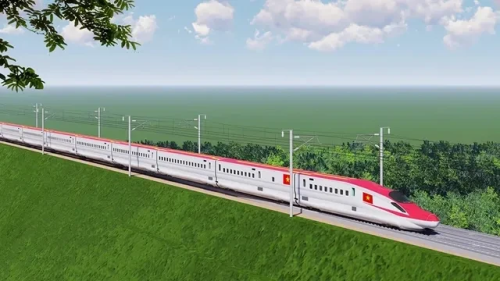
Vingroup withdraws bid for the North–South high-speed railway project
The decision was carefully considered to ensure maximum concentration of resources on strategic infrastructure projects that the group has recently been assigned to implement.
HÀ NỘI — Vingroup JSC has officially submitted a document to the Government requesting to withdraw its investment registration for the North–South high-speed railway project.
The decision was carefully considered to ensure maximum concentration of resources on strategic infrastructure projects that the group has recently been assigned to implement.
A notable example is the Olympic Sports Urban Area project in Hà Nội, covering more than 9,000 hectares.
This is a special, nationally significant project entrusted by the Government to Vingroup, with the aim of showcasing Việt Nam’s national identity to the world.
As such, Vingroup has determined that it must mobilise all available resources to ensure the project is completed on schedule and meets committed quality standards.
In additon, it has also been appointed as the investor for several important transport infrastructure projects, including the Bến Thành–Cần Giờ high-speed railway line and the Hà Nội–Quảng Ninh high-speed railway line.
In addition, Vingroup is concentrating efforts on a series of other major industrial, energy and infrastructure projects, such as the VinMetal steel manufacturing plant, two wind power plants in Kỳ Anh (Hà Tĩnh), the Hải Phòng LNG thermal power plant and the Cần Giờ coastal megacity.
These projects play a significant role in upgrading national infrastructure and production capacity and require substantial investment in capital, time and implementation capability.
Meanwhile, the North–South high-speed railway project has attracted strong interest and investment proposals from a number of capable and experienced enterprises, including THACO Trường Hải, Vietnam Railway Transport Joint Stock Company and Vietnam Investment and Development Group.
Therefore, Vingroup stressed its bid withdrawal for the North–South high-speed railway project will not affect the project’s implementation.
This movewas described as a proactive and responsible approach by the group toward the Government, ensuring the effective execution of assigned projects and contributing to the development of modern, sustainable transport infrastructure, renewable energ, and urban systems.
Green transition emerges as new engine of growth
Green transition is no longer an option; rather, it has become a top strategic priority for businesses, especially as Việt Nam has committed to achieving net-zero emissions by 2050.
HÀ NỘI — Green transition is no longer an option; rather, it has become a top strategic priority for businesses, especially as Việt Nam has committed to achieving net-zero emissions by 2050.
At present, domestic enterprises are facing great pressure from international regulations such as the European Union (EU)’s Carbon Border Adjustment Mechanism (CBAM) and environmental, social and governance (ESG) standards. Given this, strong State support through appropriate policies are required to accompany businesses in accelerating an efficient green transition, thereby turning challenges into opportunities, promoting a green economy, and creating momentum for sustainable growth.
Dual benefits of green transition
Green transition refers to the process of shifting the economy towards environmental sustainability, less greenhouse gas emissions, and efficient use of resources. This transition delivers multi-dimensional benefits and long-term strategic value for enterprises, particularly in enhancing their competitiveness in international markets.
The Việt Nam Chamber of Commerce and Industry (VCCI) said adopting green transition generates dual impacts. First, it helps businesses cut carbon emissions by 15–25 per cent through investments in renewable energy while saving 20–30 per cent in annual energy costs. At the same time, it boosts access to broader international markets and enhances brand reputation and export value as “green” products are always prioritised under free trade agreements such as the Comprehensive and Progressive Agreement for Trans-Pacific Partnership (CPTPP) and the EU-Việt Nam Free Trade Agreement (EVFTA).
The benefits of green transition are evident, yet the process in Việt Nam still faces numerous problems, causing many businesses to hesitate. High investment costs are identified as the biggest barrier, particularly for small- and medium-sized enterprises (SMEs). Installing renewable energy systems or waste treatment technologies may require millions of US dollars while short-term returns remain uncertain.
A shortage of high-quality human resources and advanced, modern technologies is also a major bottleneck hindering businesses on their path toward “greening”.
According to a recent survey by VCCI, only about 30 per cent of asked enterprises have staff with professional knowledge of ESG, leading to “greenwashing” or delays in “green compliance”. Moreover, the legal framework has yet to fully align with international standards, resulting in overlapping procedures and legal risks that make businesses cautious about investing.
To reaffirm the commitment to green development and support businesses in the green transition, the Party and the State have issued a number of important policy guidelines. These include the National Green Growth Strategy for the 2021–30 period with a vision to 2050, the National Action Plan on Green Growth for 2021–30, and the scheme for developing a circular economy, among others.
However, VCCI Deputy Secretary General Đậu Anh Tuấn noted that administrative burdens, informal costs, and inconsistency in law enforcement still create great pressures on businesses during the green transition process. SMEs, in particular, are facing difficulties in accessing green finance and technical advice.
Therefore, he added, the Government needs to take more concrete and decisive actions to remove institutional bottlenecks related to policy implementation, green competitiveness, and the ability to attract high-value investment. Besides, it should continue to accelerate administrative procedure reforms in key areas such as investment, land, environment, and construction.
Promoting investment in and the development of green enterprises, as well as building an efficient green finance ecosystem, is also a prerequisite for advancing green transition in Việt Nam, Tuấn suggested.
Close coordination between the State and the business community needed
To speed up green transition among businesses, VCCI President Hồ Sỹ Hùng recommended close coordination between the State and the business community, with concrete and feasible solutions to remove bottlenecks in the digital era.
Businesses need a stable, transparent, predictable, and consistently enforced legal framework across different stages and localities, in line with the Politburo’s Resolution No. 66-NQ/TW, dated April 30, 2025, on law making and enforcement.
At the same time, breakthroughs are required in mechanisms for the energy sector by devising solutions to remove barriers linked with the “financial viability” of large-scale power projects such as LNG and offshore wind ones. It is also essential to address the “shortage” of high-quality human resources with digital skills, in accordance with the Politburo's Resolution No. 71-NQ/TW dated August 22, 2025, on breakthroughs in education and training development, Hùng stated.
In addition, businesses also need to take proactive steps such as building green strategies, integrating ESG standards into their entire value chains, allocating resources for efficient energy use and circular water treatment, improving manpower quality, and taking part in the carbon market and green supply chains. These will help them turn challenges into advantages, demonstrating their pioneering role in a low-carbon economy.
Green growth and sustainable development are not an easy path, but they promise many “sweet fruits” commensurate with businesses’ efforts. With its important geopolitical and economic position, Việt Nam is believed to hold great opportunities to transform, leapfrog development, and create strong momentum for economic, social, and environmental progress.
Security, risk control critical for crypto asset market: experts
Statistics from blockchain analytics firm Chainalysis showed that Việt Nam ranked third in the Asia-Pacific region for crypto asset inflows in 2025, with a total transaction value of around US$220-230 billion, up 55 per cent over 2024. About 17-18 million Vietnamese, nearly 20 per cent of the population, are holding or using crypto assets.
HÀ NỘI — Network security and effective risk control are critical factors for the successful pilot implementation of the domestic crypto asset market in the context of robust capital inflow and high risks of fraud and money laundering, experts have said.
Statistics from blockchain analytics firm Chainalysis showed that Việt Nam ranked third in the Asia-Pacific region for crypto asset inflows in 2025, with a total transaction value of around US$225 billion, up 55 per cent over 2024. About 17-18 million Vietnamese, nearly 20 per cent of the population, are holding or using crypto assets.
Director of the National Innovation Centre Vũ Quốc Huy said that despite rapid growth, crypto asset trading is mainly taking place on overseas platforms, leading to tax loss and posing challenges for anti-money laundering and counter-terrorism financing efforts.
It is critical for Việt Nam to build a transparent, well-controlled crypto asset market to protect the legitimate rights of related parties, he said.
Figures from the Ministry of Public Security show that nearly 20,000 crypto-related fraud cases were detected between December 15, 2019 and May 14, 2024, involving more than 17,000 people and causing losses exceeding VNĐ12 trillion (US$456 million).
According to Vũ Duy Hiền, Deputy Secretary General of the National Cybersecurity Association, piloting a crypto asset market is an inevitable step for Việt Nam to keep pace with emerging trends in the digital economy.
However, without a sufficiently strong cybersecurity foundation, the market would be highly vulnerable to cross-border cyberattacks, high-tech fraud and money laundering activities.
Resolution 05/2025/NQ-CP introduces a five-year regulatory sandbox for the crypto asset market, he said, adding that it also sets out specific requirements on cybersecurity, information security, personal data protection, anti-money laundering measures, technical supervision and transparency.
Hiền urged an effort to ensure end-to-end cybersecurity, develop a transparent monitoring mechanism and promote international cooperation to successfully implement the crypto asset market.
Digital trust is the key to unlocking the potential of the crypto asset market, said co-founder of PILA Group Nguyễn Phú Dũng, adding that digital trust must be built on transparency with verifiable and real-time data and a reliable infrastructure system.
He also stressed the importance of comprehensive digital identification.
Lê Vũ Hương Quỳnh, Asia-Pacific regional director at Tether, said Việt Nam should take a cautious, phased approach anchored in a clear legal framework, stronger capacity among intermediaries like exchanges and financial institutions, and improved financial literacy for investors.
According to head of Business Development at OKX APAC Huỳnh Quốc Nam, the crypto market has characteristics that differ fundamentally from traditional stock markets.
While stock exchanges operate within fixed trading hours, digital asset markets run 24/7, without holidays and on a global scale, which requires highly stable and secure technological infrastructure capable of continuous operation with minimal downtime, he said.
He pointed out that liquidity is also a critical factor, adding that during periods of sharp market volatility, exchanges must ensure efficient liquidity for investors to be able to withdraw their assets at any time.
Bùi Hoàng Hải, Deputy Chairman of the State Securities Commission under the Ministry of Finance, said that the pilot digital asset market must be put under close supervision.
The Government will control the scale of the market during the testing phase and set standards to protect investors, he said, adding that a proper sandbox would not only foster a more transparent market, but also lay the groundwork for a comprehensive legal framework.
Vietnam officially implements product traceability system
The system mandates traceability for certain product groups starting January 1, 2026.
The Ministry of Industry and Trade (MoIT) has officially launched the Traceability System atwww.verigoods.vn, fulfilling one of the six pioneering tasks assigned by Prime Minister Pham Minh Chinh at the 2025 Industry and Trade Sector Conference held on December 19.
The system, operational from December 23, 2025, aims to enhance transparency in product information, serving as a bridge between businesses and consumers, thereby strengthening market trust.
By utilizing verification methods such as QR codes, consumers can easily identify genuine products, while businesses gain a tool to assert brand credibility and combat counterfeiting. The system mandates traceability for certain product groups starting January 1, 2026, as determined by the ministry based on risk assessments related to human health, environmental impact, and social safety.
The implementation follows a phased approach to ensure feasibility and minimize costs for businesses. It allows companies to declare and update information on raw material origins, production processes, and distribution according to standardized data formats. This also aids government agencies in monitoring, post-inspection, risk analysis, and violation handling.
Director of the MoIT's Domestic Market Management and Development Department, Tran Huu Linh, emphasized the importance of this shift from pre-inspection to focused post-inspection, aligning with administrative reform and digital transformation goals.
"Despite the rapid digital shift, many businesses, especially small and medium enterprises, face challenges in technology infrastructure and data management. The system is expected to provide technical support, creating a common ground for traceability capabilities, thus promoting synchronized digital transformation across the industry," said Mr Linh.
As consumer interest in product quality, safety, origin, and sustainability grows, the system offers transparent, accurate information, aiding responsible consumer decisions and fostering a healthy consumption culture and sustainable market development.
"Businesses are encouraged to proactively register product information and obtain verification codes as the system becomes operational. From January 1, 2026, the ministry's circular on traceability will require businesses dealing with high-risk goods, such as chemicals and industrial precursors, to comply, while encouraging other sectors to adopt the system," said Mr. Linh.
The ministry will continue collaborating with other ministries, localities, industry associations, and the business community to refine the system, conduct training, and provide usage guidance. Additionally, the ministry will review and complete the legal framework, standards, and regulations related to traceability.
The implementation of the traceability system not only meets immediate requirements as the Product Quality Law takes effect on January 1, 2026, but also lays a long-term foundation for building a transparent business environment, protecting consumer rights, and promoting sustainable socio-economic development.
Economist spotlights promise, risks in Vietnam’s $142bn infrastructure push
Vietnam’s sweeping infrastructure initiative sends a strong signal about growth ambitions and government resolve, but its long-term impact will depend on execution and the quality of private sector engagement, economist Do Thien Anh Tuan says, as officials hope to crowd in private capital with a slate of projects worth about US$142 billion.
Vietnam inaugurated and broke ground on 234 infrastructure projects nationwide last week with a total investment of about VND3.4 quadrillion ($142 billion), including airport runways, expressways, international stadiums, and major hospitals.
Despite concerns that the simultaneous launch could lead to bottlenecks and delays similar to those seen in previous major projects, experts say this wave of infrastructure investment sends a more forceful signal to the economy, supported by strong private-sector participation and Resolution 68.
Speaking toTuoi Tre News, Do Thien Anh Tuan, a lecturer in economics at Fulbright University Vietnam, said the scale and number of the projects reflect the government’s determination to accelerate growth, while signaling that public investment is being used to lead, create space, and build confidence in order to attract private capital.
In your opinion, what does the scale of this wave of projects say about the government’s determination to promote growth and public investment?
First and foremost, it sends a very clear message about the political resolve to accelerate economic growth. With the total investment equivalent to about 26.5 percent of Vietnam’s GDP in 2025, these projects reflect a decisive choice to fast-track development investment, treating public investment and infrastructure as key pillars for sustaining growth amid ongoing domestic and global uncertainties.
Public investment remains a tool the state can proactively deploy to stimulate aggregate demand, create jobs, and maintain economic momentum in 2026 and the years ahead.
Another notable point is the funding structure. A large share of the total investment does not come solely from the state budget but it is mobilized from non-state sources. This reflects a policy approach that avoids replacing the market, instead using public investment to lead the way, open up space, and build confidence, thereby drawing in private sector investment.
How will large-scale infrastructure investment affect growth, employment, and the economy’s momentum over the medium and long term?
Large-scale infrastructure investment typically generates both stimulus and productivity effects. The stimulus effect refers to short-term impacts on growth and employment. As projects are rolled out, demand rises for construction materials, building and installation work, transport, technical services, and a wide range of supply-chain activities. This creates jobs and income, which in turn supports broader consumption.
Many international studies show that public investment tends to have a higher output multiplier than recurrent spending, and that it is more likely to crowd in private investment when projects are well selected and effectively implemented.
The second effect is on productivity, which materializes over the medium and long term as infrastructure upgrades enhance the economy’s productive capacity.
Improvements in roads, seaports, airports, energy systems, urban infrastructure, and digital infrastructure help reduce logistics costs and delivery times, lower the risk of supply-chain disruptions, expand market access, and, most importantly, raise national productivity and competitiveness.
At its core, better infrastructure enables businesses to generate more value from the same level of effort.
That said, whether infrastructure investment truly delivers a growth boost depends heavily on project selection and implementation quality. If projects face delays, cost overruns, or weak connectivity upon completion, or if institutional bottlenecks are not addressed, the overall impact will be diminished.
How should 'empowering' the private sector in infrastructure projects be properly understood and implemented?
Empowerment should not be interpreted simply as loosening oversight or leaving companies to manage projects on their own. In its proper sense, empowerment means granting firms genuine autonomy in project design, construction organization, technology selection, and schedule management, based on clearly defined objectives and output standards set by the state from the outset.
The government should avoid excessive intervention in implementation details, instead focusing on setting goals, monitoring outcomes, and strictly enforcing compliance in cases of violations.
Empowerment must also be accompanied by clear accountability. As firms are given greater autonomy, they must assume full responsibility for project timelines, costs, and quality.
Strong performance should be rewarded accordingly, while delays or substandard delivery should be met with appropriate sanctions.
What is the most important message the government is sending to businesses through this wave of large-scale infrastructure investment?
From a policy perspective, I believe the most important message the government is sending to businesses through this large-scale infrastructure push is its readiness to shift from a hands-on implementer to an enabling and guiding role.
By committing substantial public resources while expanding space for deeper private sector participation, the government is signaling that infrastructure is no longer a closed domain of the public sector. Instead, it is becoming a platform for long-term cooperation between the public and private sectors based on shared interests.
A second, equally important message concerns speed and efficiency. The simultaneous launch and roll-out of multiple projects indicate that the government expects rapid implementation, tangible results, and early contributions to growth.
In other words, the government is signaling that time is of the essence, and that participating firms must possess sufficiently strong organizational capacity, financial strength, and management capabilities to meet these demands.
Vietnam's 2025 digital economic revenue estimated at $198 billion
The number of digital technology enterprises reaching around 80,000 in 2025.
The digital economy has increasingly asserted itself as a key growth engine in Vietnam with estimated revenue of $198 billion in 2025, up 26% year-on-year, according to the Ministry of Science and Technology.
The figure also exceeds the yearly plan of 16%.
The sector’s contribution to the country's GDP is estimated at over VND1 quadrillion ($38 billion), increasing 10% compared to last year.
The number of digital technology enterprises rose to around 80,000 in 2025, up 10% year-on-year.
Exports of digital technology products were estimated at $178 billion in 2025, soaring 35% against 2024, and fulfilling 112% of the annual target.
2025 fruit and vegetable exports expected at $8.59 bln
The figure surging 20% year-on-year.
Vietnam’s fruit and vegetable export revenue is estimated at $8.59 billion in 2025, surging nearly 20% year-on-year, according to the Vietnam Fruit and Vegetable Association (Vinafruit).
In the first half of December, fruit and vegetable exports earned nearly $400 million, bringing the total export value to $8.2 billion as of December 15, figures from Vietnam Customs show.
China remains the biggest buyer. In the first 11 months of the year, China imported nearly $5 billion worth of fruit and vegetable from Vietnam, up 15% year-on-year, and accounting for 64% of the sector’s total export turnover.
Meanwhile, Vietnam’s fruit and vegetable imports reached $3 billion as of December 15, resulting in a trade surplus of over $5.5 billion.
Việt Nam launches International Financial Centre in HCM City and Đà Nẵng
Prime Minister says centres will mobilise capital for infrastructure without raising public debt whilst positioning Việt Nam in global financial network.
HÀ NỘI — Prime Minister Phạm Minh Chính on Sunday announced the establishment of an international financial centre (IFC) in Việt Nam, describing it as a turning point that will open the country to financial technology integration and green economy transformation.
The centre will operate in two locations – HCM City and Đà Nẵng.
The PM’s decision to establish and launch the Steering Council of Việt Nam’s International Financial Centre, chaired by Permanent Deputy Prime Minister Nguyễn Hòa Bình, was announced at a conference .
It also unveiled senior appointments to the centre’s executive agencies in HCM City and Đà Nẵng.
PM Chính said: "If agricultural development in 1986 helped Việt Nam escape poverty and industrial development with foreign investment helped Việt Nam become an upper-middle-income country, then today marks the moment Việt Nam opens the door to financial technology integration and green economy transformation to become a developed, high-income nation."
The government has issued eight decrees to implement National Assembly Resolution 222/2025/QH15 on the international financial centre in Việt Nam, covering its establishment in both cities as well as financial policy, trade procedures, residency rules, land use, labour, arbitration, banking, foreign exchange and anti-money laundering.
PM Chính said the centre aimed to mobilise large-scale, low-cost capital for strategic infrastructure without increasing public debt. The establishment represented a structural breakthrough designed to unleash resources and drive economic transformation whilst raising productivity and national competitiveness.
Việt Nam did not intend to compete directly with existing regional and international financial centres, the Prime Minister said. The country would instead develop a complementary model with special policies to create an interconnected financial ecosystem.
He drew historical parallels to the rise of London in the 19th century, New York in the 20th century and Singapore and Shanghai in recent decades.
"More than a century ago, the Dragon Wharf and Hội An trading port were bustling gateways connecting Việt Nam with the world. Today marks the beginning of reviving that prosperity flow with a new mindset and new tools: finance and technology," PM Chính said.
The centre will help position Việt Nam as an important link in the global financial security network, according to the prime minister. It will also serve as a platform for Vietnamese enterprises to access international markets and advanced governance standards.
Representatives from domestic and international financial institutions pledged to channel capital into Việt Nam and invest in digital transformation, green finance and inclusive finance.
Leaders from HCM City and Đà Nẵng said both cities were actively implementing development plans to make Việt Nam a credible and attractive financial destination.
PM Chính called for a fundamental shift in administrative thinking.
"We must completely eliminate the mentality of asking and giving, of arbitrary power, of managing what we don't understand, and of banning what we can't manage," he said.
All investor issues at the centre must be handled through special one-stop procedures with sufficient authority. Unresolved matters should be reported directly to the Prime Minister.
The government would accelerate infrastructure projects including airports, seaports, metro systems and ring roads. Cities must build international-standard healthcare, education and cultural facilities to help experts and investors settle comfortably, PM Chính said.
Supervisory agencies must operate independently and transparently while adhering to international anti-money laundering commitments, the prime minister said.
The approach must balance financial freedom with system safety without creating obstacles for clean capital linked to technology and modern management skills.
The Prime Minister asked international partners to share both success and failure experiences to help Việt Nam develop faster and more sustainably. He pledged the government would continue improving the business environment and protecting legitimate rights and interests based on the principle of harmonised benefits and shared risks.
Operations begin immediately following the announcement. Agencies must allocate resources, funding, offices and necessary equipment without delay.
Any obstacles must be reported to the Prime Minister by December 25, PM Chính said.
The government aimed to build a financial centre that is 'free, digital, green, safe, transparent, competitive, efficient and sustainable'.
General Secretary requests careful preparation for 14th National Party Congress
He stressed that following the Resolution of the 14th meeting, the Politburo has directed continued, thorough preparations for the upcoming National Party Congress, including refining the personnel plans.
Hanoi (VNA)- Party General Secretary To Lam urged focusing on key tasks to ensure success of the upcoming 14th National Party Congress, while delivering his opening remarks at the 15th meeting of the 13th Party Central Committee in Hanoi on December 22.
General Secretary Lam said that based on proposals by the Politburo, the 13th Party Central Committee had previously reached high consensus at its 13th and 14th meetings in nominating candidates for the Party Central Committee (both official and alternate members), the Politburo, and the Secretariat for the 14th tenure, ensuring structure, quantity and qualification requirements in line with the Party's regulations and personnel orientations.
He stressed that following the Resolution of the 14th meeting, the Politburo has directed continued, thorough preparations for the upcoming National Party Congress, including refining the personnel plans. At meetings of the personnel sub-committee, the Politburo members and key Party leaders placed the interests of the Party, people and nation above all, and discussed and analysed carefully and comprehensively nominations for the Party Central Committee, the Politburo and the Secretariat for the 14th tenure as well as key leadership positions of the Party and the State in the 2026–2031 tenure.
At the 15th meeting, based on reports submitted by the Politburo, the Party chief urged delegates to thoroughly discuss and contribute opinions to complete the report on personnel affairs for the 14th Party Central Committee to be submitted to the 14th National Party Congress and the first meeting of the 14th Party Central Committee for decision-making and election in accordance with regulations.
The General Secretary emphasised that the personnel preparation and nomination for the 14th Party Central Committee are an especially important task, requiring prudence, accuracy and strict compliance with regulations, as the next Party leadership will shoulder the mission of leading the nation’s development in the new era.
Regarding draft documents for the Congress, he noted that the document sub-committees, the Politburo and the Secretariat had completed the drafts for submission to the 15th meeting. This process reflects an innovative and groundbreaking approach in document preparation, with the widest-ever public consultation, ensuring that collective wisdom and people’s opinions are fully reflected in the 14th National Party Congress's documents.
To ensure that the Congress's documents truly serve as a “guiding light” and “action compass” for the Party and people in the new revolutionary phase, the General Secretary called on Party members and the public to continue contributing constructive opinions. He urged delegates to further refine the Political Report, and other Congress documents, particularly the Party Central Committee’s action programme for implementing the 14th National Party Congress's Resolution.
He also requested careful study of the reports presented by sub-committees as well as the contents submitted by the Politburo and Secretariat to ensure the most thorough preparations for the 14th National Party Congress.
Vietnam’s Dak Lak to break ground on $190mn luxury resort project
Authorities in Dak Lak Province, central Vietnam will break ground later this week on the Cu Lao Mai Nha high-end resort complex, a tourism project worth VND4.998 trillion (US$190 million), local officials said.
Leaders of the Dak Lak Department of Construction said the groundbreaking ceremony is scheduled for Friday, as part of a series of major infrastructure and investment projects marking the lead-up to the 14th Party National Congress.
The Party Congress is expected to take place in Hanoi from January 19 to 25, 2026.
According to the department, the Cu Lao Mai Nha luxury resort project was approved by the administration of former Phu Yen Province, now part of the expanded Dak Lak Province following a nationwide administrative restructuring drive effective from July 1 this year.
The project developer is Xuan Thien Ninh Binh Co. Ltd.
In addition to the resort project, Dak Lak will inaugurate the Ho Chi Minh Road eastern bypass section around Buon Ma Thuot, with an investment of VND1.841 trillion ($70 million).
This road project was approved by the Ministry of Construction and implemented by the provincial transport and rural development project management board.
The province will also open to traffic a sub-project of the Khanh Hoa-Buon Ma Thuot Expressway’s Phase 1.
The expressway section, also managed by the provincial project management board, has a price tag of VND6.165 trillion ($235 million).
The Dak Lak administration has proposed adding the launch ceremonies of two social housing projects to the Friday event.
One project, located in Binh Kien Ward, will include about 2,270 apartments with an estimated investment of VND2.584 trillion ($98 million), developed by Cloud Land JSC.
The second social housing project will be built north of Tran Phu Street in Tuy Hoa Ward, comprising a 13-story apartment building with approximately 480 units, at a total cost of VND548 billion ($21 million).
The project is led by HTL Vietnam Real Estate Investment and Construction JSC on behalf of an investor consortium.
Phú Quốc to break ground on $341m urban light rail line
The project is positioned as one of the most critical pieces of infrastructure for Phú Quốc as the island city prepares to host APEC 2027.
AN GIANG — As Phú Quốc accelerates preparations to host the APEC Economic Leaders’ Meeting in 2027, a major transport project that aims to reshape mobility on the island, is set to move from blueprint to reality.
The An Giang Provincial People’s Committee and Sun Group will break ground on Phú Quốc’s first urban light rail transit (LRT) line on Friday (December 19), with a total investment of nearly VNĐ9 trillion (US$341.7 million).
The project is positioned as one of the most critical pieces of infrastructure for Phú Quốc as the island city prepares to host APEC 2027.
In its first phase, the LRT will be developed under a build–operate–transfer (BOT) model, with Sun Group as the investor. Construction is scheduled for completion in the second quarter of 2027, allowing the system to be put into operation ahead of APEC 2027.
The nearly 18-kilometre line will run parallel to the 10-lane provincial road DT975. Together, the two projects will directly connect Phú Quốc International Airport with the APEC Boulevard, leading to the APEC Conference and Exhibition Centre and ensuring smooth connectivity for major international events.
Designed to operate at speeds of 70–100 kph with a capacity of 4,500 passengers per hour, the LRT system follows smart transport standards to optimise both travel time and operational efficiency. Of the total length, 0.78km will be elevated, 14.81km will run at ground level and 2km will be underground.
The line will include six stations, five at ground level and one underground station at the APEC conference centre. The airport station will serve as the starting point, while the terminal station, with a width of eight metres, is designed to accommodate large passenger volumes. Intermediate stations will feature six-metre-wide plazas tailored to the functional needs of each area.
Located within the airport parking area, the airport station will allow passengers quick and convenient access. All other stations will be equipped with underground pedestrian passages linking both sides of the road, integrating stairways, escalators and lifts for people with disabilities. This design enhances passenger safety while reflecting the city’s goal of building a civilised, international-standard public transport system.
Sun Group is among the largest infrastructure investors in Phú Quốc. Prior to the LRT project, the conglomerate received approval to invest in the expansion of Phú Quốc International Airport to raise capacity to 50 million passengers annually, as well as the APEC Conference and Exhibition Centre and a multi-purpose performance venue.
The LRT is expected to ease mounting traffic pressure on the island. In recent years, a steady surge in visitor numbers has led to localised congestion along key arterial roads, particularly during peak periods.
According to Sun Group representatives, the LRT will serve as a backbone transport corridor, linking major functional zones without increasing the number of private vehicles. This will help Phú Quốc gradually transition towards an energy-efficient, eco-friendly public transport model. This transition is one of the key criteria in the island's roadmap towards becoming a smart city, aligned with the long-term vision pursued by An Giang province.
Beyond its transport role, the LRT is also expected to significantly enhance the tourism experience. With direct connections from the airport to resort complexes, entertainment zones, event plazas and the conference centre, the line could become an ideal mode of travel for international visitors, who place a premium on fast, reliable and seamless mobility.
Việt Nam aims to build its own railway industry with $100 billion push
New rules let local companies compete for massive train and track contracts
HÀ NỘI — Việt Nam is betting that a new Government decree will help it build its own trains and railway equipment instead of relying on foreign suppliers, opening the door for local companies to compete for major contracts in a US$100 billion infrastructure boom.
Decree 319/2025/NĐ-CP, issued on December 12, sets clear rules for which Vietnamese firms can receive technology and manufacturing contracts for the nation's biggest rail projects. It's a major shift from the old approach of relying almost entirely on foreign contractors.
The opportunity is enormous.
Việt Nam plans to spend up to $64 billion over the next 20 years building a high-speed rail line from north to south. Technology and equipment – trains, carriages, signals and tracks – will account for up to 40 per cent of that cost. Including urban rail projects in Hà Nội, HCM City and other cities, the total value tops an estimated $100 billion through 2050.
Nguyễn Minh Thảo, deputy head of the Department for Business Development and Business Environment at the Ministry of Finance's Strategy and Policy Institute, said the new approach enables domestic firms to directly join major projects and gradually master technology rather than only performing low-value work.
"More importantly, Decree 319 has opened opportunities for domestic private enterprises to compete equally with State-owned enterprises and FDI companies, creating a ripple effect for the railway industry in the long term," Thảo said.
What companies need to qualify
Companies must have real factories and facilities ready to receive and install production equipment. They need money – either their own or the ability to borrow it – to pay for technology transfers. Most importantly, they must have skilled engineers and workers who can actually run advanced equipment without foreign help.
Firms also need proven experience working with international partners on technology projects. This requirement is meant to reduce risks when bringing in sophisticated systems. Enterprises going bankrupt or losing their business licences are automatically phased out.
By 2050, Việt Nam aims to build 25 railway lines covering 6,354 kilometres. That means the country will need 28.7 million metres of rail, 46 million concrete sleepers and thousands of locomotives and train cars in the next few decades.
Prime Minister Phạm Minh Chính said in April that Việt Nam must be able to make its own trains and railway equipment by 2045 at the latest.
"You can't build a modern railway system just by buying everything from abroad," Vietnam Association of Mechanical Industries Chairman Nguyễn Chí Sang toldchinhphu.vn.
"Developing our own industry could cut project costs by 10-20 per cent and create hundreds of thousands of skilled jobs."
Several major Vietnamese companies already meet these strict requirements. Hoa Phat Group, Southeast Asia's biggest steelmaker, will start building a railway steel factory on December 19 at the Dung Quất Economic Zone in Quảng Ngãi Province.
The $395 million plant will produce 700,000 tonnes of specialised steel rails per year using advanced European equipment.
Making steel rails in Việt Nam instead of importing them could reduce costs by 15-20 per cent, representing significant savings when the country needs thousands of kilometres of track.
Other companies that could participate include Thaco for manufacturing train cars, Viettel and EVN for electrical and signal systems, and Lilama for heavy engineering work.
“Without these new rules, Vietnamese companies would stay stuck doing minor work while foreign firms handle the important stuff,” Thảo said.
Vietnam Airlines launches HCM City - Copenhagen direct flight
The service marking the first-ever nonstop air link between Vietnam and Northern Europe.
National flag carrier Vietnam Airlines on December 16 officially launched its first direct flight between Ho Chi Minh City and Danish capital, Copenhagen.
This move creates the only nonstop route currently available between the two countries, representing a significant milestone in Vietnam Airlines’ international expansion strategy and establishing a vital air bridge between Southeast Asia and Northern Europe.
The inaugural flight departed Tan Son Nhat International Airport at 22.45 on December 15 and landed safely at Copenhagen Airport after more than 12 hours of flight time. On the return leg, the flight departed Copenhagen at 22.50 local time on December 16 and arrived in HCM City later the same day.
The HCM City–Copenhagen service will operate three times a week. Flights depart HCM City on Monday, Wednesday and Friday evenings, while return flights leave Copenhagen on Tuesday, Thursday and Saturday mornings.
The new route is expected to significantly improve connectivity between Vietnam and Denmark. It is also anticipated to support the continued growth of Nordic visitors to Vietnam, which has increased steadily in recent years.
Middle East, Turkey - gateways to global Halal market for Vietnamese exports: seminar
The Middle East and Turkey are not only promising export destinations but also key gateways for Vietnamese products to seek access to the global Halal market, experts said at a seminar held in Ho Chi Minh City on December 18.
HCM City (VNA)– The Middle East and Turkey are not only promising export destinations but also key gateways for Vietnamese products to seek access to the global Halal market, experts said at a seminar held in Ho Chi Minh City on December 18.
The seminar, titled “Export prospects to the Middle East and Turkey – Opportunities and challenges for Vietnamese enterprises”, was organised by the Investment and Trade Promotion Centre of Ho Chi Minh City (ITPC) in coordination with the Ministry of Foreign Affairs’ Department of Middle East–Africa and the HCM City Food and Foodstuff Association.
Tran Phu Lu, Director of ITPC, said that amid mounting global economic uncertainties and rising trade protectionism, diversifying export markets has become essential for Vietnamese businesses, with the Middle East’s Halal market offering a particularly effective avenue.
The region is a dynamic import market, with annual goods imports estimated at more than 1.2 trillion USD and GDP growth of 5–6%. In the first 11 months of 2025, Vietnam’s exports to the UAE, Saudi Arabia and Turkey reached 5.4 billion USD, 1.9 billion USD and 1.6 billion USD, respectively.
Exports from HCM City to these three markets have all recorded double-digit growth, with key items including mobile phones and components, electronics, footwear, and agricultural products such as cashew nuts, rice and pepper.
Nguyen Phuong Tra, Director General of the Department of Middle East–Africa, highlighted the scale of the Halal economy, which serves around 25% of the global population and is forecast to reach 10 trillion USD before 2028. The Halal food segment alone is expected to grow from 2.7 trillion USD in 2024 to nearly 5.9 trillion USD by 2033, at an annual rate of about 9%.
With a population of around 500 million and a combined GDP of 3.6 trillion USD, the Middle East has particularly strong purchasing power. Gulf Cooperation Council (GCC) countries import roughly 85% of their food needs, driving strong demand for dairy products, meat, rice, processed foods and beverages.
However, Tra cautioned that Vietnamese enterprises face significant challenges, particularly the complexity of Halal certification systems. High certification costs, short validity periods and intense competition from established exporters remain major barriers. She also warned of trade fraud risks, including opaque certification fees and payment delays, stressing the need for careful partner verification and secure payment terms.
To better tap the market, HCM City was encouraged to strengthen cooperation with major regional hubs such as Dubai and Riyadh, establish a Halal business association, and introduce tax and credit incentives. Enterprises were also advised to participate in reputable trade fairs, including Saudi Food Expo, Halal Trade Expo Dubai and the Malaysia International Halal Showcase (MIHAS).
Ramlan Bin Osman, Director of the National Halal Certification Centre (HALCERT) under the Ministry of Science and Technology, said firms entering the Halal market must meet strict requirements, including the involvement of Muslim personnel in production or supervision and full transparency across the supply chain.
Sharing practical experience, Thi Hong Uytun, founder of HM Dragon Logistics and Consulting, said Turkey plays a dual role as both a consumer market and a gateway to the Middle East and the European Union. While Vietnam’s exports to Turkey continue to grow, they still account for only about 0.5% of the country’s total imports, indicating substantial untapped potential.
Experts recommended that Vietnamese firms prioritise irrevocable letters of credit confirmed by reputable banks and strengthen financial due diligence to mitigate risks when entering Middle Eastern and Turkish markets.
Vietnam-South Korea trade sees dramatic shift toward high-tech
Currently, more than 70% of Vietnam's exports to South Korea consist of high-tech products, electronic components, and supporting products for the semiconductor industry.
With bilateral trade turnover reaching $81.5 billion in 2024 and total cumulative direct investment of approximately $92 billion, South Korea continues to solidify its position as one of Vietnam's leading economic partners.
These figures underscore the increasingly deep economic integration between the two nations. Amidst a robust restructuring of global supply chains, Vietnam-South Korea economic cooperation is clearly shifting from expanding in scale to enhancing quality, with a particular focus on high-tech industries, energy, and logistics.
Providing an overview of bilateral trade and investment, Mr. Nguyen Manh Dong from the Department of Foreign Markets (Ministry of Industry and Trade - MOIT) stated that South Korea is currently Vietnam's largest foreign investor. As of 2024, cumulative registered capital has reached $92 billion across more than 10,000 active projects.
In terms of trade, South Korea ranks as Vietnam's third-largest trading partner, trailing only China and the United States. It is also Vietnam's third-largest export market and its second-largest source of imports.
In 2024, total import-export turnover between the two countries hit $81.5 billion. Specifically, Vietnam’s exports to South Korea totaled $25.6 billion, while imports from South Korea reached $55.9 billion, resulting in a trade deficit of $30.3 billion for Vietnam.
A standout feature of recent economic relations is the distinct qualitative shift in Foreign Direct Investment (FDI). Major conglomerates such as Samsung, LG, SK, Hanwha, and LS are expanding their footprints into high-value sectors including electronics, semiconductors, batteries, energy, data centers, new materials, and research and development (R&D).
Speaking at the workshop "Promoting Vietnam’s Trade Cooperation with Japan and South Korea in the New Era," recently organized by MOIT in Ho Chi Minh City, Mr. Nguyen Duy Kien, also from the Department of Foreign Markets, highlighted this qualitative transformation in investment flows.
According to Mr. Kien, this shift is closely linked to the global supply chain restructuring strategies of South Korean enterprises. Vietnam is increasingly being chosen not just for its cost advantages, but for its stable investment environment and its ability to integrate deeper into the technological value chain.
Currently, more than 70% of Vietnam's exports to South Korea consist of high-tech products, electronic components, and supporting products for the semiconductor industry. This represents a significant transformation compared to 10–15 years ago, when Vietnam’s export structure was dominated by traditional goods such as textiles, footwear, and agricultural products.
“Major corporations like Samsung, SK, LG, Hanwha, and LS are not only investing on a large scale but are also focusing on cutting-edge fields. This includes electronics, semiconductors, Artificial Intelligence (AI), R&D, energy, batteries, data centers, new materials, automation, and energy-saving solutions,” Mr. Kien said.
Deputy Minister of Finance asks to develop stock market to higher standard in 2026
In 2025, market capitalisation exceeded VND9.68 quadrillion ($368 billion), equivalent to 84.1% of estimated GDP in 2024.
Deputy Minister of Finance Nguyen Duc Chi has asked the State Securities Commission (SSC) to further improve the legal framework to facilitate the stock market’s development, maintain current rankings and move the market towards higher standard.
Addressing a conference held by the commission on December 15 to review the SSC’s performance in 2025 and outlined key tasks for 2026, Mr. Chi also called for the development of new products, improvements in investor quality, enhanced training and communications, and broader international cooperation.
SSC Chairwoman Vu Thi Chan Phuong said 2026 would be pivotal for the sector’s next development stage. The SSC is committed to ensuring the market operates safely and stably, develops in line with higher-ranking standards, and continues to serve as a key medium- and long-term capital mobilisation channel for the economy.
In 2025, the VN-Index rose 38% from the end of the previous year, with average trading value reaching nearly VND29.44 trillion ($1.11 billion) per session. Market capitalisation exceeded VND9.68 quadrillion ($368 billion), equivalent to 84.1% of estimated GDP in 2024.
Masan's FMCG arm MCH to list on HCMC bourse at $8 per share, valuation tops $8.6 bln
Masan Consumer Corporation (UpCoM: MCH), the fast-moving consumer goods arm of Vietnam’s Masan Group, will officially debut on the Ho Chi Minh City Stock Exchange (HoSE) on December 25, with a reference price set at VND212,800 ($8.08) per share.
The reference price was calculated based on the average trading price over the last 30 sessions on the unlisted public companies market (UPCoM) market, from November 6 to December 17, the company said.
With more than 1.067 billion shares to be listed, Masan Consumer’s market capitalization at the debut price is estimated at around VND227 trillion ($8.62 billion).
That valuation would place the company among Vietnam’s largest listed firms, surpassing Hoa Phat Group (HoSE: HPG), Mobile World (HoSE: MWG), Vinamilk (HoSE: VNM), and FPT (HoSE: FPT), and at roughly double the current market value of its parent Masan Group (HoSE: MSN).
Masan Consumer currently has charter capital of nearly VND10.68 trillion ($405.4 million) and plans to further expand its equity base through bonus share distributions to existing shareholders.
Under a board resolution issued last week, the company plans to implement two capital increase measures. The first involves the distribution of 10.88 million treasury shares to existing shareholders at a ratio of 10,000:103. The second is a bonus issue of 226.8 million shares from retained earnings at a rate of 21.47%.
Masan Consumer is one of Vietnam’s largest FMCG producers, with flagship brands including Chin-su, Nam Ngu, Wake-Up 247, Omachi and Kokomi. The company said its products reach nearly 98% of Vietnamese households and hold leading positions in around 80% of essential consumer categories.
In the first nine months of 2025, Masan Consumer reported net revenue of VND21.28 trillion ($808.1 million) and net profit of VND4.66 trillion ($176.95 million), down 3% and 16% year-on-year, respectively.
For full-year 2025, the company targets revenue of VND33.5 trillion to VND35.5 trillion ($1.27 billion-1.35 billion) and net profit of VND7.3 trillion to VND7.8 trillion ($277.2 million-296.18 million).
Vietnam to break ground on $1.37bn expansion of key expressway to Mekong Delta this week
Vietnam is set to break ground this week on a major expansion of the Ho Chi Minh City–Trung Luong–My Thuan expressway, a key transport artery linking the country’s largest city with the Mekong Delta.
The Department for Roads of Vietnam has signed a public-private partnership contract with investors to widen the 96-kilometer route under a build-operate-transfer model.
The project will expand the Ho Chi Minh City–Trung Luong section from four lanes to eight lanes, with a design speed of 120 km per hour, while the Trung Luong–My Thuan section will be widened to six lanes, according to project documents.
Construction will run from the Cho Dem interchange in Ho Chi Minh City to the northern approach of My Thuan 2 bridge in Dong Thap Province.
Total investment is estimated at more than VND36 trillion (US$1.37 billion), funded entirely by private capital.
The project is scheduled to begin on Friday and is expected to be completed in 2028.
Officials said the expansion is aimed at easing chronic congestion on the existing expressway and improving freight and passenger connectivity between southeastern Vietnam and the Mekong Delta.
The groundbreaking coincides with the launch or completion of more than 230 infrastructure projects nationwide on the same day, with combined investment exceeding VND3.4 quadrillion ($129 billion), according to government statements.
Ho Chi Minh City is also planning upgrades to western gateway roads, including sections of National Highway 1, to improve links between the city and the expanded expressway.
Vietnam's 2025 export revenue expected at $470 bln
In the first 11 months of the year, the country's total export revenue reached $430.2 billion.
Vietnam is expected to achieve a record total export value of more than $470 billion in 2025, up 16% year-on-year, heard a seminar in Hanoi on December 16.
In the first 11 months of the year, the country's total export revenue reached $430.2 billion.
According to Mr. Nguyen Anh Son, Director General of the Import–Export Department under the Ministry of Industry and Trade, the 2020–2025 period has marked a strong breakthrough in Vietnam’s trade performance, with average annual export growth of around 10%.
Since 2023, Vietnam has been among the world’s 20 largest economies in terms of foreign trade. Notably, the country has maintained a continuous trade surplus over the past decade, contributing significantly to stable foreign currency inflows, easing pressure on the exchange rate, and strengthening foreign exchange reserves.
In 2025, Vietnam recorded its 10th consecutive year of trade surplus, reinforcing its position as one of the most open economies in the region. Total trade has expanded dramatically over the past three decades, rising from just $13.4 billion in 1995 to $786.29 billion in 2024.
Vietnam’s trade surplus for this year is estimated at approximately $22 billion.
Vietnam needs $8.5 bln to comprehensively tackle plastic pollution
Vietnam has actively chosen a proactive, preventive, and transformative approach, rather than solely focusing on handling consequences.
Vietnam needs an estimated $7.5 to $8.5 billion by 2030 to comprehensively address plastic pollution, according to the financial roadmap for the National Plastic Action Partnership (NPAP).
This information was shared at the 7th meeting of the Vietnam NPAP Working Group, organized by the Ministry of Agriculture and Environment in coordination with UNDP Vietnam on the afternoon of December 16
The workshop aimed to announce the financial roadmap report for plastic action in Vietnam through 2030, review the 2025 performance of the Vietnam NPAP Working Group and technical groups, and develop operational plans and priority orientations for 2026.
Additionally, delegates exchanged solutions to mobilize financial and technical resources to realize plastic waste reduction initiatives and discussed the preparation roadmap and national action plan to meet the requirements of the upcoming Global Plastic Pollution Treaty.
Deputy Minister of Agriculture and Environment Le Cong Thanh, Head of the NPAP Group, emphasized the need to promote the mobilization and effective use of financial resources for plastic actions. The focus is on strengthening connectivity, encouraging private sector participation, and creating favorable conditions for domestic and international capital to be transformed into specific projects and initiatives.
Furthermore, the ministry continues to perfect policies for transforming business models regarding plastic waste collection, recycling, and treatment in accordance with environmental standards, aiming to create significant momentum for scaling up and replicating sustainable solutions. Plastic actions will be closely integrated with Vietnam's sustainable development goals.
Mr. Thanh stated that Vietnam has actively chosen a proactive, preventive, and transformative approach, rather than solely focusing on handling consequences. Plastic pollution is not merely an environmental issue but a socio-economic development issue, closely linked to production-consumption models, market structures, and methods of mobilizing social resources.
Therefore, solutions for plastic pollution cannot stop at the collection or treatment stages but require a systemic approach based on appropriate policies, market mechanisms, innovation, and multi-stakeholder cooperation.
As announced at the workshop, the NPAP financial roadmap in Vietnam estimates that $7.5 – $8.5 billion will be required by 2030 to comprehensively tackle plastic pollution, ranging from upstream interventions (such as reducing and replacing plastic use) to downstream measures (collection and treatment infrastructure systems).
Speaking at the event, Ms. Ramla Khalidi, UNDP Resident Representative in Vietnam, noted that after five years, the partnership has engaged 200 organizations, mapped over 160 projects addressing plastic pollution, and catalyzed over 570 innovative solutions. Private sector participation is increasing, driven by green credit products from banks and investment flows for startups.
Mobilizing large-scale finance and public finance is necessary, but it will not be enough. Filling this gap depends on private investment in projects with managed risks and clear returns, she said, adding that connecting policies with investment projects is the point where NPAP creates value.
Hanoi plans $32 bln Red River landscape boulevard project
The project aligns with sustainable development orientations and contributes to improving the Capital's central urban area.
Hanoi plans to construct the Red River Landscape Boulevard Axis with a total capital of VND855 trillion (nearly $32.5 billion), spanning 19 communes and wards.
The project covers an area of approximately 11,000 ha, featuring an 80km transport boulevard, a system of landscape parks and entertainment areas covering 3,300 ha, and 2,100 ha to be designated for site clearance to serve urban reconstruction.
According to Mr. Duong Duc Tuan, Permanent Vice Chairman of the Hanoi People's Committee, the project aims to develop and complete the transport infrastructure system, promote urban space development along both riverbanks, and create a modern, synchronized urban space on both sides of the Red River.
The project aligns with sustainable development orientations and contributes to improving the Capital's central urban area. It is also consistent with the directives of Party General Secretary To Lam given during working sessions between the Politburo and the Hanoi Party Committee, as well as the Politburo Resolutions.
On this basis, the City Appraisal Council, established under Decision No. 6137/QĐ-UBND by the Chairman of the City People's Committee, has organized the appraisal of the project proposal.
The Council has also issued an appraisal report to be submitted to the City People's Council for consideration of the investment policy. Simultaneously, the latter will also review the initial component sub-project, a park in Phu Thuong ward, in preparation for the groundbreaking ceremony scheduled for December 19, 2025.
SBV plans to simplify business regulations for banks
Under a draft circular to replace Circular 32/2024/TT-NHNN, now open for public comment, many administrative procedures for establishing and relocating commercial bank branches and transaction offices will be significantly shortened.
HÀ NỘI — Regulations governing the operational networks of commercial banks could be significantly streamlined under a new proposal from the State Bank of Vietnam (SBV).
Under a draft circular to replace Circular 32/2024/TT-NHNN, which is now open for public comment, numerous administrative procedures related to the establishment and relocation of bank branches and transaction offices will be shortened.
According to the SBV, the draft circular is intended to support a broader plan to simplify business regulations for banks in line with Government Resolution No. 66/NQ-CP on reducing and streamlining administrative procedures related to production and business activities.
For overseas operations, the SBV proposes reducing the time required to review and approve the establishment of branches, representative offices or subsidiaries of Vietnamese commercial banks from 45 working days to 30, counted from the date complete and valid documents are received.
For domestic networks, procedures for relocating head offices will also be shortened. The time needed for an SBV branch in a province or city to consider and approve the relocation of a branch office to another province or city will be reduced from 20 working days to 13. Cases involving relocation within the same province or city will be cut from 10 days to five.
Under the draft circular, the requirement for commercial banks to submit reports on compliance with safety limits and operational ratios will also be removed. The SBV said it already possessed sufficient data on these indicators through its periodic monitoring and reporting system, making the requirement unnecessary and a waste of time and money.
In addition, the draft circular proposes abolishing vague regulations, including the requirement to comply with the law in the conditions for bank establishment, to ensure transparency and ease of enforcement.
The SBV also plans to expand the autonomy of commercial banks when arranging their internal networks. Banks would be permitted to independently decide on changes to the branches managing their transaction offices and would only be required to report such changes to the SBV instead of seeking prior approval, as is currently the case. This greater autonomy is expected to enhance flexibility in management and operations.
According to Dr Hoàng Văn Thành, head of the Economic Law Department at the Banking Academy of Vietnam, in the context of an extensive review and amendment of the banking sector's legal framework to align with the 2024 Law on Credit Institutions, the development of a revised circular to replace Circular 32 is a necessary step to adjust outdated regulations and address practical challenges in organising the operational networks of commercial banks.
Thành proposed that the SBV amend the regulation on the outstanding loan cap at transaction offices, as the draft circular maintains the existing requirement that the total outstanding loan granted to a customer at a transaction office cannot exceed VNĐ2 billion or the equivalent in foreign currency, excluding credit secured by savings passbooks issued by the bank itself.
He argued that demand for capital in industrial parks and key economic zones had risen sharply. He suggested that the draft circular consider a conditional authorisation mechanism allowing certain bank branches to increase the loan cap when they meet internal control requirements.
Vietnam welcomes 20 millionth foreign visitor in single year for first time
The total number of foreign tourists in 2025 is expected to exceed 21 million.
Vietnam welcomed the 20 millionth foreign tourist on December 15, marking a historic milestone in the 65-year development of the country’s tourism sector, the Government News has reported.
The welcome ceremony took place at the Phu Quoc International Airport in the Mekong Delta province of An Giang.
Since Vietnam fully reopened its tourism sector on March 15, 2022, after the Covid-19 pendamic, the industry has rebounded strongly, with international arrivals reaching 12.6 million in 2023 and 17.6 million in 2024.
During January-November this year, Vietnam welcomed 19.15 million foreign arrivals.
The total number of foreign tourists in 2025 is expected to exceed 21 million, surpassing the pre-pandemic level of 18 million recorded in 2019.
Việt Nam's pangasius exports surpass $2 billion
Entering 2026, the 20 per cent anti-dumping tax in the US is projected to continue to have an adverse effect, reducing the competitiveness of Vietnamese pangasius in this market.
HÀ NỘI — Việt Nam's total pangasius export value has surpassed US$2 billion as of the end of November, an increase of nine per cent compared to the same period last year.
Pangasius exports reached $195 million in November, growing by nine per cent year-on-year.
This indicates a stable recovery trend in the industry during the final months of the year, according to the Vietnam Association of Seafood Exporters and Producers (VASEP).
Regarding export markets, after a strong increase in October, China maintained a stable upward trend last month. Pangasius exports to China reached nearly $59 million, up 17 per cent compared year-on-year. This remains the largest contributor to exports for the month, continuing to lead pangasius export value.
Pangasius exports to the US reached $20 million last month, a year-on-year decrease of 23 per cent. This decline is attributed to the impact of the 20 per cent anti-dumping tax, which reduced the price competitiveness of Vietnamese pangasius in the US market. The declining trend started in August and has not shown signs of reversing.
Exports to the EU amounted to $12 million in November, a decrease of 25 per cent compared to the same period last year. The decline in the EU market is mainly due to two major markets, the Netherlands (down 18 per cent) and Germany (down 20 per cent). However, some other EU markets have shown mild growth.
Within the Comprehensive and Progressive Agreement for Trans-Pacific Partnership (CPTPP) block, the UK market reached $5 million, a slight drop of four per cent compared to last year. This decline is less than in the previous two months, suggesting an early sign of recovery after a period of deep decrease.
Mexico continues to be a bright spot, with export value increasing sharply to $8 million, a 50 per cent rise. Meanwhile, Japan and Malaysia have maintained stable growth, with a slight increase of two per cent. Brazil's export value reached $15 million in November, an increase of 13 per cent compared to the same period last year.
Frozen pangasius fillet exports reached over $1.6 billion, a year-on-year growth of 11 per cent from January to the end of November, continuing to represent the largest proportion of total exports.
The group of frozen pangasius, dried, whole fish and fish air bladders reached nearly $348 million of export value, matching last year's figures.
Meanwhile, processed pangasius exports earned $48 million, an increase of 13 per cent compared to last year.
Entering 2026, the 20 per cent anti-dumping tax in the US is projected to continue to have an adverse effect, reducing the competitiveness of Vietnamese pangasius in this market, said VASEP.
This requires businesses to proactively expand exports to other markets, diversify products and focus more on deep-processed product lines, it suggested.
Achieving international sustainability certifications, at the same time, has become crucial to enhance the brand of Vietnamese pangasius, strengthening its competitive advantages in an increasingly price-competitive environment, it added.
First technical flight lands at Long Thanh international airport
This marking a key milestone ahead of the airport's official opening scheduled for December 19.
The first technical test flight landed at Long Thanh International Airport in southern Dong Nai province on December 15, marking a key milestone ahead of its official opening scheduled for December 19.
A Boeing 787, operated by national flag carrier Vietnam Airlines, departed from Tan Son Nhat International Airport in Ho Chi Minh City at 3:20pm and landed at Long Thanh International Airport at 4pm the same day.
The test flight evaluated critical flight-operation infrastructure at Long Thanh, including navigation and communication systems, air traffic control coordination, aircraft handling procedures, and lighting systems for the runway, taxiways and apron. Coordination among airport operators, security forces and air traffic controllers was also assessed under real operating conditions.
Following the successful technical inspection, three official flights operated by Vietnam Airlines, Vietjet Air and Bamboo Airways are scheduled to land at Long Thanh on December 19, when the new airport is inaugurated.
Long Thanh airport spans 5,000 hectares in Long Thanh commune, Dong Nai province, and is being developed in three phases.
Phase 1 includes an air traffic control tower, a 4,000m by 75m runway, a passenger terminal with a capacity of 25 million passengers per year, cargo facilities handling up to 1.2 million tons annually, and supporting infrastructure. The total investment for this phase exceeds VND99 trillion ($3.76 billion).
Construction of Long Thanh International Airport project urged to be on schedule
The inaugural flight to the new airport is scheduled for December 19.
Prime Minister Pham Minh Chinh made a trip to inspect the construction site of the Long Thanh International Airport in southern Dong Nai province on December 14.
This is the 9th inspection trip made by the PM to the construction site.
The PM was quoted by the Vietnam News Agency as calling on teams to accelerate the construction of the new airport to make it ready for the first flight on December 19 and commercial operations in the first half of 2026.
PM Chinh commended units, contractors, and especially 15,000 experts, engineers, and workers, for speeding up the project’s construction to meet the schedule.
He expressed satisfaction that the first sub-project is nearing completion and entering its final phase, expected to be ready by December 19, while the second is also in the finishing stage, with equipment being installed to serve the first flight in line with the overall project schedule.
Highlighting the critical importance of the third sub-project, which covers essential airport facilities, the PM noted that only three of 15 packages have been completed while 12 remain under construction. He urged accelerating the completion of key components - particularly runways, connecting roads, passenger terminals, and taxiways - to ensure construction is basically completed for the inaugural flight on December 19.
The leader also inspected the fourth sub-project, which covers ground service facilities. He showed satisfaction with investors’ active efforts to prepare for the first phase’s operations.
After inspecting the construction site, PM Chinh had a working session with representatives of ministries, sectors, and units to review tasks for the project following Party General Secretary To Lam’s directions a month ago.
The PM praised the units’ dedication and urged round-the-clock work, including nights and weekends, to speed up progress while ensuring quality, safety, and environmental standards for the project.
He called on the military, particularly Military Region 7 and local units, to provide support, and urged the police to strengthen security and order in the construction site.
He requested strictly implementing the guidance of the Party chief and the Government directions to advance the airport progress and develop an aviation economic hub in Dong Nai. He assigned specific responsibilities to ministries, agencies, localities, and enterprises, expressing his belief that with continued determination and efforts, the airport and its supporting infrastructure will meet international standards.
The same day afternoon, the Government leader inspected the progress of roads leading to the Long Thanh International Airport.
Covering more than 5,000 ha in Long Thanh commune, the airport has a total investment of over $16 billion, divided into three phases. Construction of the first phase, estimated to cost $5.4 billion, began in 2020. Once operational, it is expected to handle 25 million passengers and 1.2 million tons of cargo each year (first phase).
Vietnam’s first LNG-fueled power plants inaugurated
Nhon Trach 3 and 4, Vietnam’s first LNG-fired power plants, were inaugurated on Sunday and are scheduled for commercial operations in early 2026.
Located in the southern province of Dong Nai, the two plants have combined investment capital of about $1.4 billion and total capacity of 1,624 MW.
Petrovietnam's subsidiary PV Power is the investor, while a consortium of Lilama and Samsung C&T is the EPC contractor.
Once operating at full capacity, they are designed to generate more than 9 billion kWh of electricity annually, providing a large-scale baseload power source for the national grid, particularly in southern Vietnam.
The plants are equipped with cutting-edge technology, featuring U.S. firm GE’s 9HA.02 gas turbines - currently among the most advanced in the world in terms of technology, capacity, and efficiency. Thanks to this technology, the facilities are expected to achieve an efficiency of 62-64%, among the highest levels today.
The 9HA.02 technology meets stringent emissions standards and allows flexible fuel conversion, from LNG to co-firing up to 50% hydrogen, with the potential to transition to 100% hydrogen in the future.
According to Petrovietnam, the project is a model for the LNG power plants that the corporation plans to develop in the future, laying the foundation for an era of modern gas-fired power in Vietnam.
This is the first power project in Vietnam to successfully secure international loans (over $1 billion) without a government guarantee. The implementation process faced numerous challenges due to the lack of a specific mechanism for LNG power generation, obstacles in negotiating the power purchase agreement (PPA), and environmental commitments.
"Committing to a minimum output guarantee for gas-fired power projects is a major challenge because LNG prices depend on the international market," said Nguyen Duy Giang, deputy general director of PV Power.
Speaking at the inauguration ceremony, Prime Minister Pham Minh Chinh described Nhon Trach 3 and 4 as "a particularly important piece” in strengthening national energy security and supporting Vietnam’s rapid and sustainable development in the new period.
Drawing on international experience, the Prime Minister noted that countries achieving fast and sustainable growth all possess strong, stable, and modern energy infrastructure. “The power sector must move one step ahead, paving the way for industrialization and enhancing the competitiveness of both the economy and the nation,” he said.
Vietnam’s peak electricity demand currently stands at about 54,500 MW and is increasing by an estimated 6,500-8,200 MW each year. This underscores the urgent need for reliable power supplies, especially as the country accelerates strategic breakthroughs in high technology, semiconductor manufacturing, large-scale national data centers, digital transformation, green transition, and major infrastructure projects such as high-speed and urban rail systems.
The cabinet leader emphasized that with annual output exceeding 9 billion kWh, the commissioning of Vietnam’s first LNG power complex has laid a solid foundation for the development of a gas-fired power market, providing a proactive and stable electricity source.
He highlighted the project’s standout features, including its low investment cost, the largest scale, the most advanced technology, the highest capacity, the shortest EPC contractor selection period (11 months), and the most competitive commercial electricity price.
Under the adjusted Power Development Plan VIII, Vietnam aims to add nearly 37,500 MW of new gas-fired power capacity, with LNG accounting for around 60%. However, many projects are facing challenges in securing output offtake agreements to ensure stable cash flows, as well as in planning long-term fuel supply volumes and prices.
To achieve this goal, the Prime Minister requested ministries and agencies to review and remove procedural bottlenecks, particularly by finalizing policies for LNG-fired power plant operations and the LNG power supply chain.
He also urged enterprises to prepare plans and engage early in negotiations with partners on spot LNG imports to reduce price risks, lower input costs, and enhance project efficiency.
CPTPP drives Việt Nam’s agro–fisheries exports
The 12-member CPTPP saw two-way trade with Việt Nam reach US$102.8 billion in the first 10 months of 2025, up 20.6 per cent from a year earlier.
HÀ NỘI — More than six years after the Comprehensive and Progressive Agreement for Trans-Pacific Partnership (CPTPP) entered into force, the trade pact is driving robust export growth for Việt Nam’s agriculture sector, particularly in aquatic products, rice and fruits, to the bloc’s high-value markets.
The 12-member CPTPP – covering Australia, Brunei, Canada, Chile, Japan, Malaysia, Mexico, New Zealand, Peru, Singapore, the UK and Việt Nam – saw two-way trade with Việt Nam reach US$102.8 billion in the first 10 months of 2025, up 20.6 per cent from a year earlier. Vietnamese exports to the group rose 26 per cent to $58.3 billion, with the UK counted after the deal took effect there on December 15, 2024.
In Singapore, Việt Nam has strengthened its position as the city-state’s third-largest rice supplier after India and Thailand, holding dominant shares in the white and fragrant rice segments.
A new bilateral rice trade agreement signed on October 30 is expected to further deepen ties under the two countries’ comprehensive strategic partnership, according to Vietnamese Trade Counsellor in Singapore Cao Xuân Thắng.
Vietnamese goods are also gaining ground in Australia, where cashew nuts now account for 90 per cent of total imports and pepper nearly 30 per cent. Shrimp,trafish and processed seafood have become leading items, a representative of the Vietnam Trade Office in Canberra said.
Across the CPTPP bloc, Việt Nam’strafish exports climbed 36 per cent year-on-year to $305 million during January-October, representing 17 per cent of its globaltrafish sales. Shipments to Mexico reached $63 million (up 1 per cent), Japan US$39 million (up 14 per cent), while Malaysia posted a 37 per cent surge, underscoring rising regional demand.
The Vietnam Association of Seafood Exporters and Producers (VASEP) attributed the sharp increase to CPTPP tariff preferences. Despite stringent requirements on quality and traceability, many exporters have complied, raising average shipment values. VASEP forecast a strong recovery and sustained growth for the sector in 2026 if companies continue to capitalise on the deal’s advantages.
In Canada, Vietnamese agricultural shipments are expanding across fruits, vegetables, pepper and coffee, with cashew exports rebounding in September after months of declines. Canada now imports more from Việt Nam than from any other ASEAN country, enabling Vietnamese agribusinesses to gain a stronger foothold, said Trade Counsellor Trần Thu Quỳnh.
Nguyễn Đình Tùng, CEO of major fruit exporter Vina T&T Group, highlighted Canada’s rigorous food safety and phytosanitary rules, noting that it requires Global GAP, HACCP and SMETA certifications. He described the market as promising due to its purchasing power, diverse demand and its role as a gateway to North America’s supply chains.
Vietnamese farm produce exports to CPTPP markets are maintaining strong momentum thanks to improved competitiveness and stricter compliance with international standards.
Beyond market access, the pact is driving structural transformation – with greater traceability, deeper processing and brand building – creating both pressure and growth opportunities for companies able to upgrade processing capacity and integrate into global supply chains.
Mobile World approves IPO, listing plan for consumer electronics retail subsidiary
The board of directors of Mobile World Investment Corporation (HoSE: MWG), a leading retailer in Vietnam, has okayed a plan for subsidiary Dien May Xanh Investment JSC (DMX) to conduct an IPO and stock market listing.
The plan is expected to be rolled out in 2026, MWG stated on Friday. The corporation described the IPO as a strategic milestone, marking a new phase with sustaining double-digit earnings growth.
“As an independent, publicly traded company, DMX will broaden investment choices for investors seeking businesses with strong brands in an essential retail sector, with attractive profitability potential and a sustainable growth outlook,” said the MWG release.
Going forward, DMX is set to pursue quality-driven growth, expand value-added products and services, effectively utilize the multi-service Super App platform, and accelerate scale expansion in the Indonesian market.
MWG said DMX will remain an integral component of its ecosystem, and the subsidiary is expected to contribute a substantial proportion of its consolidated revenue and profit in the 2026-2030 period.
DMX becoming an independent, publicly traded company will deliver long-term strategic, financial, and governance benefits for MWG, while unlocking the growth potential for the entire ecosystem, the release said.
DMX plans to conduct a private placement representing 1% of its charter capital for key individuals, with the issued shares subject to an 18-month lock-up period following the completion of the offering.
The board said it unanimously supports DMX's private placement initiative, noting it will not to participate in the placement to reserve the entire allocation for individual investors who directly create value and play a critical role in DMX’s sustainable development strategy.
This means MWG intends to list all three of its core businesses. Earlier, the firm announced the IPO of its grocery chain Bach Hoa Xanh. This IPO was originally slated for 2022-2023 but has been delayed due to restructuring.
On the Ho Chi Minh Stock Exchange, MWG shares closed Friday at VND78,500 ($2.98) apiece.
SBV issues guidance for $20b power infrastructure package
During the 2025–2026 period, commercial banks will allocate around VNĐ100 trillion, equivalent to about 20 per cent of the programme’s total scale, to provide preferential loans for projects in power infrastructure,
HÀ NỘI The State Bank of Vietnam (SBV) announced that it had issued Official Dispatch No 10825/NHNN-TD on Friday, providing guidance on the implementation of a credit programme of VNĐ500 trillion or US$20 billion for investment in power infrastructure, transport and strategic technologies. The guidance is also based on feedback from relevant ministries and the participation registrations submitted by commercial banks.
According to the SBV, the programme will be implemented in two phases. During the 2025–2026 period, commercial banks will allocate around VNĐ100 trillion, equivalent to about 20 per cent of the programme’s total scale, to provide preferential loans for projects in power infrastructure, transport and strategic technologies. In the 2027–2030 phase, the remaining capital will be gradually disbursed, ensuring that lending does not exceed each bank’s committed amount.
Eligible borrowers are enterprises seeking long-term loans to invest in nationally important or key projects in the power, transport and strategic technology sectors, as identified by relevant ministries. For power projects, the eligible list follows the Ministry of Industry and Trade's Official Dispatch No 9238/BCT-KHTC dated November 21, 2025. Transport projects must be included in the list under Official Dispatch No 14394/BXD-KHTC dated December 2, 2025, from the Ministry of Construction.
For strategic technologies, eligible projects include those producing items listed in the “National Strategic Technology and Strategic Technology Products List” approved under Decision No 1131/QĐ-TTg dated June 12, 2025, and certified by the Ministry of Science and Technology.
Preferential interest rates under the programme will be at least 1–1.5 percentage points per year lower than the average lending rates applied by the same bank for loans of similar tenors. Lending will follow existing mechanisms, with no changes to standard credit procedures.
The programme will remain in effect until the end of 2030 or until total disbursements reach VNĐ500 trillion, whichever comes first. Preferential interest rates will apply for a minimum of two years from each disbursement date, under individual loan agreements, but will not exceed the agreed loan tenor. Banks will stop applying preferential rates to loans disbursed after December 31, 2030, or once their registered funding allocation under the programme has been fully used.
After the preferential period ends, lending rates will be negotiated between banks and borrowers in accordance with legal regulations and clearly specified, or with a clear calculation method outlined, in the loan agreement. If a bank determines that a borrower has used funds for improper purposes, the preferential interest rate will be terminated, and the borrower will be required to repay the full amount of interest previously subsidised, calculated from the disbursement date to the termination date.
Loans under the programme will be financed entirely from banks’ own mobilised capital. Participating banks are responsible for credit appraisal, lending decisions and associated risks, and must comply with regulations on loan classification, provisioning and risk management. The SBV has also tasked its functional departments with monitoring implementation, addressing emerging difficulties, and conducting inspections and supervision of programme lending activities.
NA approves nearly $913 mln for Vinh - Thanh Thuy Expressway project
Upon completion, the route will facilitate a direct connection from Hanoi to Vientiane (Laos), while simultaneously linking with the Eastern North-South Expressway and the Ho Chi Minh Road.
The National Assembly (NA) has passed a Resolution approving the investment policy for the Vinh – Thanh Thuy Expressway project, with the preliminary total investment over VND23.9 trillion (nearly 913 million), funded by the State budget.
The Vinh – Thanh Thuy Expressway is a key infrastructure project of strategic importance for socio-economic development, national defense and security, and the completion of the national transportation network.
Upon completion, the route will facilitate a direct connection from Hanoi to Vientiane (Laos), while simultaneously linking with the Eastern North-South Expressway and the Ho Chi Minh Road. Consequently, the competitiveness of the North Central region and related localities will be enhanced, creating favorable conditions to boost trade, services, logistics, and international exchange.
According to the Resolution, the project aims to establish a modern, synchronized East-West transport route to meet growing transport demands and unlock new development opportunities. The NA has agreed to invest in approximately 60 km of the expressway within Nghe An province under the public investment model, divided into 10 component projects.
The entire project will apply advanced construction and management technologies to ensure safety, quality, and efficiency, while encouraging solutions adapted to climate change. Upon entering operation, the expressway will implement non-stop electronic toll collection (ETC).
The project requires a large land area, so land acquisition, compensation, support, and resettlement will be conducted once for the entire route, shortening the time for site clearance and minimizing prolonged impacts on residents. To expedite progress, the NA has allowed the application of special mechanisms.
Furthermore, local People's Committees are authorized to carry out land recovery, compensation, support, and resettlement for construction waste disposal areas; manage waste disposal sites according to land and environmental laws; and develop plans for using the topsoil of reclaimed rice land as per agricultural law. These flexible mechanisms aim to reduce procedures, decentralize power to the grassroots level, and ensure project progress.
Da Nang allocates over $340 mln for North-South High-Speed Railway site clearance
The North-South High-Speed Railway route passing through the Da Nang territory spans over 116 km, crossing 24 communes and wards within the city.
The Da Nang People's Committee has issued Decision No. 2868/QĐ-UBND, approving Component Project 1: Compensation, support, and resettlement serving the North-South High-Speed Railway project, specifically the section from the Thu Bon River to the city's northern boundary.
The component project has a total investment capital of nearly VND9 trillion (over $341 million).
The North-South High-Speed Railway route passing through the Da Nang territory spans over 116 km, crossing the central city's 24 communes and wards. For the implementation of the project, the city plans to acquire over 866 ha of land, arrange approximately 5,100 resettlement lots, and construct 34 resettlement areas and 13 cemeteries.
Accordingly, the objective of Component Project 1 is to carry out compensation, site clearance, and the relocation of affected technical infrastructure. Simultaneously, it involves investing in the construction of resettlement areas and cemeteries to meet the new housing needs of affected residents, ensuring the legal rights of households with acquired land, and contributing to stabilizing livelihoods and maintaining social security.
Vietnam-US trade surges 330 times over 3 decades
Vietnam and the U.S. have recorded extraordinary trade growth in the three decades since normalization, with two-way turnover in 2024 more than 330 times higher than in 1994, yet delegates at a forum on Tuesday said challenges still need to be addressed.
The Vietnam-U.S. Trade Forum 2025 was held by the Ministry of Industry and Trade’s International Market Development Department and AmCham Vietnam in Ho Chi Minh City, marking 30 years of diplomatic ties and 25 years since the bilateral trade agreement.
Vigorous trade performance over 3 decades
According to the ministry, milestones such as the 2000 bilateral trade agreement, Vietnam’s 2007 WTO accession, and the elevation to a comprehensive strategic partnership in 2023 have propelled bilateral trade to US$149.5 billion in 2024, more than 330 times higher than in 1994.
This underscores the U.S.’s central role in Vietnam’s export structure and the growing interdependence between the two economies.
Trade momentum continued this year.
In the first eleven months, turnover reached $155.6 billion, with Vietnam’s exports to the U.S. rising 27.2 percent to $138.6 billion and imports increasing 25.2 percent to $17 billion.
AmCham Vietnam vice-chair Virginia Foote said Vietnam has become an essential export base for U.S. firms, noting that many American companies entering the market bring their supply chains with them.
The Southeast Asian country is now the U.S.’s eighth-largest trading partner and its fourth-largest in ASEAN, while the U.S. remains Vietnam’s second-largest trading partner and top export destination.
On October 26, both countries issued a joint statement outlining the framework for a reciprocal, fair, and balanced trade agreement to expand market access.
Vietnam will widen preferences for most U.S. industrial and agricultural goods, while the U.S. will maintain a 20-percent reciprocal tariff on Vietnamese-origin products and consider zero-tariff treatment for selected items.
Experts said 2026 is poised to be a defining year for restructuring bilateral trade ties and shaping long-term cooperation.
Challenges to be addressed
Forum speakers said Vietnam’s next economic phase will be shaped by fast-changing U.S. trade policy, which is restructuring global supply chains and increasing pressure on partners like Vietnam.
Challenges range from tariff adjustments and trade defense measures to stricter technical standards, sustainability requirements, and supply chain transparency.
Nguyen Hong Duong, deputy director of the International Market Development Department, said sensitive issues between the two countries, especially reciprocal tariffs, will require sustained dialogue between businesses and policymakers.
Early risk detection is crucial for coordinated solutions.
According to Nong Nghiep & Moi Truong (Agriculture & Environment) newspaper, Tran Toan Thang, head of the Division of International Studies and Integration Policy at the National Institute for Economics and Finance, told the forum that U.S. tariff shifts affect trade, investment, capital flows, and broader strategic priorities.
He added that Vietnam must diversify markets, strengthen value chains, and invest in technology and innovation to build resilience.
AmCham Vietnam vice-chair Foote also noted that Vietnamese businesses must pay closer attention to rules of origin, as the U.S. has raised concerns that some exports have not yet met these requirements.
Despite the challenges ahead, Vietnam’s former ambassador to the U.S. Pham Quang Vinh said bilateral trade remains well positioned for further growth thanks to shared interests and the strong foundation built over the past three decades.
Vietnam–Germany labour cooperation - strategically complementary, mutually beneficial: official
Labour cooperation between Vietnam and Germany is strategically complementary and mutually beneficial, Deputy Minister of Home Affairs Vu Chien Thang said at the Vietnam–Germany Labour Cooperation Forum held in Leipzig on December 9.
Berlin (VNA)– Acknowledging Germany’s serious challenges stemming from population ageing and an acute shortage of skilled workers, Deputy Minister of Home Affairs Vu Chien Thang has emphasised that labour cooperation between Vietnam and Germany is strategically complementary and mutually beneficial.
Thang made the remarks at the Vietnam–Germany Labour Cooperation Forum held in Leipzig on December 9 by the Vietnam Ministry of Home Affairs, in collaboration with Federal Ministry of Labour and Social Affairs of Germany (BMAS) and Leipzig authorities. The event was part of activities marking the 50th anniversary of diplomatic relations between the two countries.
The Deputy Minister noted that Vietnam is currently in a “golden population” period with 101.8 million people as of November, 68% of whom are of working age. The Vietnamese workforce, known for diligence, adaptability and strong vocational skills, provides a strong foundation for cooperation in skilled labour mobility.
He stressed that Vietnam enters a new development phase built on digital transformation, institutional reform and deeper global integration. In 2025, Vietnam will implement major administrative reforms, streamlining government at all levels towards a model that “serves the people and facilitates development”.
Thang reiterated Vietnam’s consistent stance of prioritising quality over quantity in overseas labour cooperation. Vietnam is committed to sending highly skilled workers who meet Germany’s strict requirements, especially in professional skills, workplace discipline, cultural readiness and German-language proficiency.
He introduced the concept of a “human resources circulation cycle”, emphasising that Vietnamese workers in Germany not only contribute to the German economy but also acquire modern industrial know-how. When they return, these workers act as a valuable resource for Vietnam’s development and as long-term bridges of bilateral friendship.
Also at the forum, representatives from both sides discussed key issues affecting cooperation, including licensing for vocational-study consultancy firms, B1–B2 German-language training, cultural orientation, accelerated recognition of Vietnamese qualifications, cost-sharing models between German authorities and receiving companies, and ensuring fair integration and protection for workers.
Reducing intermediaries and developing transparent recruitment channels were highlighted as essential for “fair recruitment”.
BMAS State Secretary Leonie Gebers and Leipzig Deputy Mayor Clemens Schülke commended the quality of Vietnamese workers and pledged close coordination to take full advantage of Germany’s new Skilled Immigration Act, creating favourable conditions for Vietnamese workers to work and integrate in Germany.
Concluding the forum, both sides agreed to strengthen links between training institutions and enterprises, affirming labour cooperation as an increasingly important pillar of the Vietnam–Germany Strategic Partnership.
National Assembly approves Vietnam's first AI law
Comprising 35 Articles, the Law is designed with a "management for development" approach, ensuring a balance between risk control and the promotion of innovation.
The National Assembly officially passed the Law on Artificial Intelligence (AI) with 429 out of 434 participating delegates (90.70%) voting in favor, on the afternoon of December 10.
Effective from March 1, 2026, the Law on AI is Vietnam's first piece of legislation to comprehensively regulate the development, application, and governance of AI.
With a high approval rate, the National Assembly affirmed strong consensus on the necessity of enacting the Law on AI. This legislation is considered a landmark achievement, establishing a pioneering legal framework to help Vietnam catch up with global AI development trends and enhance national competitiveness in the digital era.
Comprising 35 Articles, the Law is designed with a "management for development" approach, ensuring a balance between risk control and the promotion of innovation. It aligns with international practices and supports Vietnam's active integration with new technological standards.
Crucially, the Law establishes a human-centric approach, stipulating that AI is to serve humans, not replace them, and must be subject to human oversight in critical decision-making processes.
The Law lays the foundation for AI autonomy—spanning computing infrastructure, data resources, and research capabilities—enabling Vietnam to build an AI workforce strong enough to compete internationally. It authorizes State investment in a national AI computing center and the development of a controlled open data system. These directives are expected to reduce computing costs, remove market entry barriers, and foster a more competitive and transparent AI ecosystem.
The legislation also introduces provisions to accelerate AI development, such as establishing a National AI Development Fund, deploying an "AI Voucher" mechanism to support business adoption, and creating a regulatory sandbox for sensitive AI solutions. These are critical tools to mitigate risks, lower testing costs, and enable technology enterprises—particularly high-tech startups—to pilot sensitive AI applications in an environment exempt from specific legal liabilities.
Simultaneously, the Law addresses emerging issues such as AI-generated content, algorithmic ethics, and the responsibilities of cross-border AI service platforms. This paves the way for Vietnam to integrate more deeply with international standards while maintaining digital sovereignty.
A key component of the Law is its risk-based management approach. Accordingly, AI systems will be classified based on their level of impact and potential danger, with corresponding legal obligations assigned to each category. Applications posing high risks to the legal rights and interests of organizations and individuals (in sectors such as finance, healthcare, justice, labor, and education) will be required to meet stricter standards regarding data, verification, supervision, and human intervention mechanisms. This approach strikes a balance between two objectives: encouraging AI innovation and controlling potential social implications.
Alongside technological and regulatory provisions, the Law places significant emphasis on human resource development. It mandates the formulation of a long-term National AI Workforce Strategy, the integration of basic AI knowledge into general education curricula, and encourages universities to establish new majors, expand academic autonomy, and attract international experts. This national program is poised to build a high-quality pool of AI experts and engineers for the future.
Vietnam’s export strength in 2025 builds solid momentum for 2026 growth
With trade turnover nearing the US$900-billion mark, Vietnam enters 2026 with renewed confidence despite global volatility, rising trade barriers and shifting supply chains. Deputy Director of the Import–Export Department Tran Thanh Hai has outlined the drivers of this growth and the priorities for sustaining momentum next year.
THE HANOI TIMES —Vietnam is on track to reach US$900 billion in export–import turnover in 2025, reflecting the resilience of domestic enterprises and the effectiveness of government policies amid global market turbulence.
Tran Thanh Hai, Deputy Director of the Import–Export Department under the Ministry of Industry and Trade, speaks to the Vietnam News Agency about the drivers behind this result, challenges for 2026 and key strategies to maintain growth.
Will Vietnam surpass $900 billion in export–import turnover this year?What are the key drivers?
As of November-end, total export–import turnover rose 17% on-year to reach nearly $840 billion this year. Exports were up 16% on-year and imports increased by 18.4%. The trade balance recorded a surplus of $20.5 billion.
With this growth rate, Vietnam can be confident that total export–import turnover in 2025 will reach or exceed the $900-billion milestone. This is a symbolic achievement and a remarkable result in a year of major global market fluctuations.
Despite countervailing tariff measures from the United States, risks of supply chain disruption and unusual weather events, businesses have made strong efforts to overcome difficulties. Meanwhile, the Party, the government and Ministry of Industry and Trade have had decisive instructions that help reflect the resilience and adaptability of Vietnam’s production and export sectors.
With global trade becoming more volatile, especially due to US policy shifts, how should Vietnamese businesses adapt?
The most striking feature of 2025 is the US countervailing tariff policy, which reflects a return of unilateralism and protectionism in global trade. This is one of many deep disruptions that Vietnam has faced since 2020, including the Covid-19 pandemic, trade conflicts, investment shifts and supply chain breakdowns.
These factors have reshaped trade flows and forced businesses to stay agile, adjust quickly and respond proactively. Companies have become more active in adjusting production and business plans.
Importantly, the government support has been crucial. Timely market forecasts and warnings from management agencies helped businesses plan ahead and respond more confidently to global changes. This remains a priority mission for the Ministry of Industry and Trade.
Key export sectors such as textiles and footwear are forecast to face headwinds in 2026. What challenges lie ahead?
Globally, markets are recovering from major shocks in the post-Covid-19 period.
However, new tariff policies from the United States will have broad spillover effects since the US is the world’s largest consumer market. Any policy shift there will influence other markets. For Vietnam, the US is a crucial export destination, so major sectors such as textiles, footwear, seafood and electronics all feel the impact.
In 2026, businesses must strengthen market planning, forecast orders more accurately and prepare response scenarios. Only then can they sustain growth amid continuing volatility.
What strategic solutions should businesses prioritize to maintain and expand exports?
The key strategy for businesses is to improve product quality. For sectors such as seafood, furniture, textiles and electronics, long-term market access depends on ensuring sustainable quality to build customer trust.
When quality is ensured, companies must take the next step: building strong brands. Branding creates trust and distinguishes Vietnamese goods in global markets. Many Vietnamese businesses excel in production but underinvest in branding.
Another critical factor is green transformation. From 2026, the EU will enforce the Carbon Border Adjustment Mechanism (CBAM) for steel and aluminum and may expand it to other products. This trend will spread to other markets. Energy-intensive sectors such as steel, aluminum, cement and construction materials must upgrade production standards and cut emissions to meet global requirements.
Self-certification of origin (C/O) has been decentralized to local authorities, yet not all provinces can implement it. How will the Ministry of Industry and Trade expand and improve this system?
According to current assessments, 26 of 34 localities are ready to implement self-certification of origin. This is a positive step showing determination to support exporters.
In 2026, the Ministry will continue working with localities through training and capacity-building programs so staff understand and apply regulations correctly. The most important requirement is that C/O issuance must be fast, accurate and consistent to avoid errors that may cause foreign partners to question or reject certificates, which would harm businesses. Strengthening decentralization and optimizing procedures will remain a core mission of the Ministry.
A major limitation is the low added value of Vietnamese exports, with many industries still dependent on processing. How can this be fundamentally improved during 2026–2030?
This challenge has persisted for many years and requires time to resolve. The fundamental path is to increase localization rates and strengthen control over input materials.
While full autonomy may take time, diversifying raw material sources is crucial to avoid risks of origin disputes or misinterpretation as transshipment goods. At the same time, businesses must enhance innovation and master technology. Some products can be made domestically but lack cost competitiveness. This is where science and technology must play a stronger role.
In today’s fast-moving AI era, businesses must leverage technology to optimize production, reduce costs and strengthen competitiveness. Those slow to adapt will fall behind.
To stay aligned with global markets, what direction should Vietnamese businesses follow to reach international customers in this new era?
Technology adoption in production varies by sector. The wood industry can use AI in design; textiles can use automation; agriculture can use smart farming and digital traceability. The key is having a skilled, tech-savvy workforce.
Businesses should also expand their direct presence in foreign markets. Vietnam exports to more than 200 markets, yet few companies have direct offices, branches or distribution centers abroad.
Foreign-invested enterprises have proven that investing directly in Vietnam leads to success. Vietnamese companies can apply this model abroad by building market offices and distribution channels in major destinations. This is a strategic way to reach customers directly and strengthen Vietnam’s brand identity globally.
Vietnam-Israel trade expected to hit $3.75 bln in 2025
The Vietnam - Israel Free Trade Agreement has shown positive signs, becoming a new driving force to promote trade and investment cooperation between the two countries.
The two-way trade between Vietnam and Israel in 2025 is estimated to reach over $3.75 billion, heard a conference held last week to discuss prospects from the Free Trade Agreement between the two countries.
Of the total, Vietnam’s exports to Israel are projected to reach $850-880 million, up 10% year-on-year.
After more than a year of implementation, the Vietnam - Israel Free Trade Agreement (VIFTA) has shown positive signs, becoming a new driving force to promote trade, investment and technological cooperation between the two countries, according to participants at the workshop.
Ms. Nguyen Thi Lan Phuong from the Department of Multilateral Trade Policy (Ministry of Industry and Trade) said that VIFTA has a remarkable level of commitment, especially in the field of trade in goods. As soon as the Agreement came into effect, Israel has eliminated 66.3% of tariff lines for Vietnamese goods; by the end of the roadmap, this rate reached 92.7%. Meanwhile, Vietnam has eliminated about 85.7% of tariff lines.
These commitments create conditions for Vietnamese products with strengths such as footwear, textiles, electronics, machinery, and agricultural products to enter the Israeli market more easily.
Ms. Do Thi Thuy Huong, Vice President of the Viet Nam Association of Supporting Industries, said that VIFTA has opened up huge opportunities in terms of exports, technology access and supply chain connections. Israel is a world-leading country in high technology, especially in semiconductors, medical equipment, cyber security and IoT.
Vietnam’s Commercial Counselor in Israel Le Thai Hoa said that the Viet Nam Trade Office in Israel will continue to disseminate the contents of the VIFTA Agreement to local businesses; connect Israeli importers with Vietnamese businesses; provide market information, technical standards, import policies; organize seminars, business delegations, specialized trade promotion events; support businesses in evaluating partners and implementing investment projects.
International Financial Centre in HCM City prepared to open on December 12
HCM City has prepared the infrastructure, human resources and investors to open and operate its International Financial Centre (IFC) on December 12.
HCM CITY — HCM City has prepared the infrastructure, human resources and investors to open and operate its International Financial Centre (IFC) on December 12.
During a working session with Permanent Deputy Prime Minister Nguyễn Hòa Bình on the progress of Việt Nam’s IFC in HCM City on December 9, Dr. Trương Minh Huy Vũ, director of the Institute for City Development Studies, said that the city is planning the headquarters for the IFC’s executive and supervisory agencies in three phases.
The first phase will see the headquarters located at the Startup & Innovation Hub of HCM City building (Xuân Hòa Ward), while in the second phase, it will relocate to an office building in 8 Nguyễn Huệ Street (Sài Gòn Ward), which is being renovated.
In the third phase, the IFC will be completed in the Thủ Thiêm new urban area.
Regarding data and technical infrastructure, Vũ said that HCM City has 16 data centres that can be used for the operations of the IFC.
There are also over 50 investors and organisations who are interested in the IFC in HCM City in the areas of infrastructure, finance, technology and digital services. At the recent 2025 Autumn Economic Forum, HCM City identified 10 strategic partners who can become founding members for the IFC.
The HCM City People's Committee said that central ministries and agencies need to allocate experts and appropriate personnel to ensure that the IFC supervisory agency can operate effectively from the beginning.
Mai Thị Thu Vân, deputy head of the Government Office, said that ministries and agencies are focusing on finalising eight decrees guiding the implementation of Resolution No. 222/2025/QH15 of the National Assembly on the IFC in Việt Nam.
Most of the content has been completed, is undergoing final review, and is likely to be finished before December 19, allowing for the creation of mechanisms for the IFC operation, she said.
Permanent Deputy Prime Minister Nguyễn Hòa Bình instructed the Ministry of Finance to organise a meeting with HCM City and Đà Nẵng to agree upon the operating model of Việt Nam’s IFC, and review regulations so that it can be implemented as soon as possible.
He stressed that the preparation of the infrastructure needs to be flexible to not interrupt the IFC’s operation.
Regarding human resources for financial operation and supervision, since there are currently not many officials with experience in IFC operation, the centre may rely more on foreign personnel at first, until the local workforce gains more experience.
Việt Nam’s first IFC, to be developed simultaneously in HCM City and Đà Nẵng, will become a key platform for global capital flows, financial innovation and digital finance development, supporting the country’s ambition to become a regional financial hub.
Lawmakers urge incentives for private investment in offshore wind power
Vietnamese lawmakers have called for stronger policy incentives to encourage private investment in offshore wind power and small modular nuclear reactors (SMRs), as the country seeks to meet rising energy demand while ensuring emissions reduction.
During a parliamentary session on Monday, the National Assembly debated a draft resolution on mechanisms and policies for national energy development in the 2026-2030 period. Offshore wind power and SMRs emerged as two of the most discussed topics.
Nguyen Le Thuy, a lawmaker representing Vinh Long province, said that while the draft resolution is based on the Politburo’s Resolution 70 on ensuring national energy security to 2030, with a vision until 2045, several provisions have yet to be clearly defined and some are inconsistent with other Politburo resolutions, including Resolution 68 on private-sector development.
Under the Government’s proposal, total power generation capacity would need to increase 2.5-3 times current levels in the next five years, reaching 190,000-254,000 MW and requiring an estimated $18-20 billion in investment.
Attracting private capital is therefore critical, she said. However, Thuy added that the draft resolution lacks sufficiently open policies to spur private investment.
She said incentives for power projects – including grid investment and offshore wind – are largely reserved for state-owned enterprises and their subsidiaries, granting them advantages such as exemptions from planning requirements, land-use auctions, and competitive investor selection, as set out in several draft articles. She urged the Government and relevant agencies to review these provisions.
Ha Sy Dong, a lawmaker representing Quang Tri province, said the draft marked progress in simplifying procedures for investment approval, project appraisal, and financial capacity requirements.
He nevertheless proposed shortening survey licensing timelines, standardizing application documents, adding clearer investor qualification criteria for large-scale projects, and designating the Ministry of Industry and Trade as the central coordinating authority.
On SMRs, lawmaker Trinh Tu Anh, representing Lam Dong province, said Vietnam is entering a deep energy transition phase, with growing pressures to ensure energy security, cut emissions, and maintain high economic growth.
She noted that SMRs are no longer experimental globally, with several countries – including the United States, Canada, France and Britain – already commercializing or rapidly deploying the technology. Some Asian countries with conditions similar to Vietnam have also selected SMRs for remote or infrastructure-poor areas.
“These countries do not place the investment burden solely on the state, but mobilize energy groups, manufacturing companies, and environmental technology firms,” she said.
Anh voiced support for provisions encouraging both state-owned and private enterprises to participate in SMR research and investment, describing the approach as far more flexible than traditional nuclear power development, which has typically relied on state-led, large-scale, long-term projects.
However, she stressed that SMR development must meet strict conditions of safety, accountability, and transparency. Encouraging private participation, she said, does not mean full liberalization.
She called for a dedicated legal framework for SMRs, covering design licensing, technology appraisal, operational supervision, and radioactive waste management, alongside clear requirements on financial capacity, technological capability, and environmental responsibility to ensure the state retains ultimate oversight.
Responding to lawmakers’ comments, Minister of Industry and Trade Nguyen Hong Dien said the drafting agency has worked closely with reviewing bodies and National Assembly committees to revise the resolution in line with the Politburo’s Resolution 66.
He said issues under the Government’s authority would be detailed by the Government to streamline procedures, including financial requirements, documentation for offshore wind investment approval, survey cost mechanisms, and application handling.
On decision-making authority for offshore wind projects in the 2026-2030 period, Dien said the draft has been revised to grant approval powers to the Prime Minister, citing national defence and security considerations, local capacity, and inter-ministerial coordination.
The draft also allows the approval of offshore wind investors without land-use auctions or competitive bidding during the 2026-2030 period, he added.
November CPI rises 0.45% driven by storm-induced food costs
In the 0.45% increase of the CPI for November compared to the previous month, nine groups of goods and services saw price increases, while two groups experienced price decreases.
The Consumer Price Index (CPI) for November 2025 increased by 0.45% compared to the previous month, primarily due to a significant rise in food prices in provinces and cities directly affected by post-storm floods, according to a report released on December 6 by the General Statistics Office of Vietnam.
Additionally, dining out costs rose due to increased input material costs and fuel prices. On average, the CPI for the first 11 months of 2025 increased by 3.29% compared to the same period last year.
In the 0.45% increase of the CPI for November compared to the previous month, nine groups of goods and services saw price increases, while two groups experienced price decreases.
The nine groups with increased prices include transportation, which rose by 1.07%, contributing 0.11 percentage points to the overall CPI increase. Within this group, diesel prices increased by 5.23%, and gasoline prices rose by 2.41% due to domestic fuel price adjustments.
Additionally, motorcycle prices increased by 0.03%, and automobile parts rose by 0.29%. Passenger transport by air increased by 3.61%, and combined passenger transport rose by 0.57% due to increased travel demand.
The food and dining services group increased by 0.95%, contributing 0.34 percentage points to the overall CPI increase. Within this group, food prices rose by 1.33%, contributing 0.3 percentage points to the overall CPI increase; dining out increased by 0.34%, and foodstuffs rose by 0.30%.
Other goods and services increased by 0.30%, mainly in items such as jewelry, which rose by 3.22% in line with global gold prices; non-electric personal tools increased by 0.04%; personal care items and watch/jewelry repairs both increased by 0.19%; funeral and wedding services rose by 0.22%; personal care services increased by 0.47%; and hairdressing services rose by 0.79%.
The report reveals that core inflation in November increased by 0.23% compared to the previous month and by 3.28% compared to the same period last year. On average, core inflation for the first 11 months of 2025 increased by 3.21% compared to the same period last year, lower than the 3.29% increase of the overall average CPI.
The main reasons for this include the prices of food, electricity, healthcare services, and education services, which impact the CPI but are excluded from the core inflation calculation.
Retail sales of goods, services top $242 billion in 11M 2025
Việt Nam’s total revenue of retail sales and consumer services in the first 11 months of 2025 surged by 9.1 per cent over the same period last year to nearly VNĐ6.38 quadrillion (US$242.5 billion).
HÀ NỘI — Retail sales of goods and services in the first 11 months of 2025 surged by 9.1 per cent over the same period last year to nearly VNĐ6.38 quadrillion (US$242.5 billion), the National Statistics Office (NSO) reports.
Retail sales reached VNĐ4.86 quadrillion, accounting for 76.2 per cent of the total, and up 7.9 per cent from the same period last year.
Meanwhile, revenue from accommodation and food services rose by 14.6 per cent year-on-year to more than VNĐ767.8 trillion.
Notably, revenue from tourism and travel services accelerated by 19.9 per cent to VNĐ85.4 trillion, buoyed by a favourable visa policy and effective stimulus programmes.
According to the NSO, the favourable visa policy, tourism promotion campaigns and a series of large-scale events nationwide have attracted a strong influx of international visitors to Việt Nam.
The country in November alone welcomed nearly 1.98 million foreign arrivals, up 14.2 per cent from the previous month and 15.6 per cent year-on-year. In the January–November period, the number of international visitors to Việt Nam reached 19.15 million, up 20.9 per cent from the same period last year.
Other services earned about VNĐ665.5 trillion, accounting for 10.4 per cent of the total revenue, picking up 11.2 per cent year-on-year.
According to the NSO, the surge of total revenue of retail sales and consumer services showed that domestic consumer demand continues to be a pillar of economic growth.
With the year-end peak season for shopping, tourism, and festivals approaching, the total retail sales and consumer service revenue in December 2025 are expected to rise strongly, helping sustain the recovery and drive GDP growth for the full year.
Toward the goal of 25 million foreign visitors
Much remains to be done for Vietnam to reach its ambitious goal of welcoming 25 million foreign visitors over the course of 2025, though confidence is in plentiful supply.
Vietnam’s tourism sector is pursuing an ambitious target in 2025 of welcoming 25 million international visitors, and is now stepping up efforts to draw in more travelers from now to the end of the year - traditionally the “golden season” for foreign arrivals.
Building momentum
According to the National Statistics Office at the Ministry of Finance, Vietnam welcomed 1.73 million international visitors in October, for an increase of 13.8 per cent compared to September and 22.1 per cent year-on-year. The country welcomed nearly 17.2 million international arrivals in the first ten months, marking a 21.5 per cent rise over the same period of 2024 and a strong indication of the sector’s ongoing recovery and growing appeal.
Revenue from accommodation and food services in the first ten months has been estimated at VND695.1 trillion ($26.4 billion), accounting for 12 per cent of total retail sales and consumer service revenue and marking an increase of 14.6 per cent compared to the same period last year. Meanwhile, travel and tourism services generated an estimated VND77.4 trillion ($2.94 billion), representing 1.4 per cent of total retail and service revenue and rising 19.8 per cent year-on-year.
Mr. Nguyen Trung Khanh, Chairman of the Vietnam National Authority of Tourism (VNAT) at the Ministry of Culture, Sports and Tourism, emphasized that the sharp increase in international visitors in recent months reflects the positive impact of the country’s visa-exemption policies and the effective implementation of tourism promotion and marketing programs in key source markets such as Russia, Japan, Italy, and South Korea. “These proactive efforts have significantly strengthened Vietnam’s position as a welcoming and attractive destination for global travelers,” he said.
In addition to the steady rise in international visitor numbers, Vietnam’s tourism sector has also achieved remarkable success in promotion and branding over the past year. At the World Travel Awards in October, Vietnam once again made an impression, winning two prestigious titles: “Asia’s Leading Destination” and “Asia’s Leading Heritage Destination 2025”. Several Vietnamese localities, including Ho Chi Minh City, Hanoi, and Hoi An ancient town in central Da Nang city, and tourism companies also received international recognition across multiple award categories, reaffirming the country’s growing reputation as one of Asia’s most captivating destinations.
As the year draws to a close, Vietnam’s tourism sector is witnessing robust momentum in international arrivals, coinciding with the peak travel season. The final months of the year promise to be vibrant and festive, filled with major events and celebrations such as Christmas, New Year’s Eve, and a wide range of cultural and entertainment activities around the country.
Ms. Nguyen Nguyet Van Khanh, Marketing Director at Vietravel, said the number of international travelers booking services for the year-end season has increased by 125 per cent compared to the same period last year. The strongest growth comes from markets such as China, Europe, English-speaking countries, and especially India, which is emerging as a key source of inbound tourists.
Similarly, Ms. Nguyen Hoai Thu, Director of Saigontourist Travel, Hanoi Branch, reported that during the summer season of 2025 alone the number of European tourists booking long-stay tours to Vietnam rose by over 25 per cent year-on-year. “We are developing more high-end tourism products that connect heritage sites, coastal and island destinations, and modern urban experiences,” Ms. Thu explained. “Our goal is to extend visitors’ length of stay and increase the likelihood that they will return to Vietnam in the future.”
Mr. Bui Thanh Tu, Marketing Director at BestPrice Travel, said his company has recorded 130 per cent growth compared to the same period of 2024 and is aiming to reach 150 per cent by the end of the year. “Travel preferences among visitors to Vietnam have become increasingly diverse: approximately half choose leisure and resort vacations, 20 per cent prefer exploration and adventure tours, another 20 per cent seek cultural and historical experiences, and the remaining 10 per cent are here for medical tourism or wellness retreats,” he noted.
He also emphasized that this diversity in demand presents both an opportunity and a challenge for Vietnamese tourism companies to continue innovating their products and improving service quality to meet the evolving expectations of international travelers.
Chasing goals
Though Vietnam’s tourism sector has been maintaining strong growth momentum, experts have emphasized that achieving the ambitious goal of welcoming 25 million international visitors this year will require even greater effort and coordination across the sector.
Mr. Vu Quoc Tri, Deputy Secretary-General of the Vietnam Tourism Association, noted that Vietnam must accelerate its growth pace to reach the target. “Welcoming around 10 million international visitors in the closing months of the year is no small challenge,” he said, pointing out that recent storms and natural disasters have severely affected several key local destinations. This calls for a comprehensive approach, combining promotion, infrastructure readiness, and close collaboration between local authorities, travel businesses, and service providers to maintain Vietnam’s attractiveness among international travelers.
Mr. Pham Van Thuy, Deputy Chairman of VNAT, acknowledged that the goal of welcoming 25 million international visitors this year remains a significant challenge but also expressed confidence that the target is attainable, provided that the sector accelerates its efforts and focuses on implementing key strategic solutions over the remaining months of the year. The top priority now is to develop distinctive tourism products that reflect Vietnam’s unique cultural identity while meeting the evolving preferences of modern travelers.
He also highlighted the importance of intensifying tourism promotion both domestically and internationally, particularly by leveraging digital technology and multimedia communication to amplify Vietnam’s image as a vibrant and welcoming destination. “At the same time, it is crucial to continue refining our mechanisms and policies, especially those related to visa facilitation, to make travel to Vietnam easier and more appealing for international tourists,” Mr. Thuy added.
Reports also show that local destinations around Vietnam are actively implementing initiatives to attract visitors during the year-end peak season. Ho Chi Minh City is focusing on expanding river tourism products, while northern Quang Ninh province, home of Ha Long Bay, is organizing a series of festivals and tourism stimulus packages to boost visitor numbers. Da Nang, meanwhile, has launched new direct flights to and from Singapore, which are expected to significantly enhance international arrivals to the central city.
From a business perspective, Ms. Thu said her company has set an ambitious goal of achieving at least 20 per cent annual growth in visitor numbers during the 2025-2026 period. “Our strategic focus is to develop a chain of high-quality, specialized tourism products that combine heritage, leisure, and cultural experiences,” she explained. “This approach aims to encourage travelers to extend their stays and explore Vietnam more deeply.”
As Vietnam’s tourism sector accelerates towards its ambitious goals, the roadmap ahead is defined by both opportunities and determination. With synchronized solutions spanning product innovation, connectivity, digital transformation, and policy support, Vietnam is not only recovering but also redefining its position as a leading tourism destination in Asia.
Vietnam earns over $1.5B from pepper export in 11 months
Vietnam had exported around 225,000 tonnes of pepper as of the end of November, earning more than US$1.5 billion in revenue.
Although the export volume fell by 4.4% year-on-year, the turnover rose by 24.4% thanks to improved demand and persistently high export prices, according to the Vietnam Pepper and Spice Association (VPSA).
From January to November, the average export price hit $6,618 per tonne for black pepper and $8,636 per tonne for white pepper, marking an increase of $767 and $2,175, respectively, compared to the same period last year.
The U.S. remained Vietnam’s largest export market, accounting for 21.7% with 48,849 tonnes, despite a 28% decline. It was followed by the United Arab Emirates (UAE) with 19,930 tonnes, China with 17,744 tonnes, India with 11,750 tonnes and Germany with 10,876 tonnes.
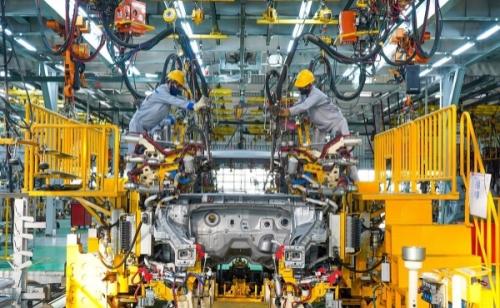
Vietnam exported 18,582 tonnes of pepper in November alone, including 16,322 tonnes of black pepper and 2,260 tonnes of white pepper, earning $121.5 million. Compared with October, the export volume fell by 4.4% and the value dropped by 6.2%. However, year-on-year exports still posted solid growth of 16.5% in volume and 14.2% in value.
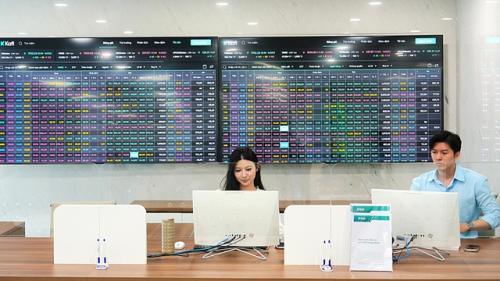
The average export price in November stood at $6,519 per tonne for black pepper and $8,072 per tonne for white pepper, representing a 1.2% increase for black pepper but a 3.8% decline for white pepper month-on-month.
On the import side, Vietnam imported 2,459 tonnes of pepper in November, worth $15.2 million. This marked a significant 47.2% rise from October but a sharp 43.9% fall compared with November 2024. Notably, Cambodia was the largest supplier in the month with 1,506 tonnes (61.2%), followed by Brazil (475 tonnes) and Indonesia (210 tonnes).
By the end of November, Vietnam had spent $252 million on importing a total of 40,242 tonnes of pepper. Year-on-year, import volume rose 22% and value increased by 62.3%, reflecting stronger purchasing for re-export and processing. Brazil remained the biggest supplier with 18,956 tonnes (up 10.6%), followed by Cambodia with 11,211 tonnes (up 65.5%), while Indonesia supplied 7,156 tonnes, down sharply by 49.3%.
Vietnam’s industrial production rises 9.3% in 11M
The manufacturing and processing sector continuing to be the main growth driver, expanding 10.6%.
Vietnam’s index of industrial production (IIP) grew 9.3% in the first 11 months of 2025 compared to the same period last year, according to the National Statistics Office (GSO).
The manufacturing and processing sector continued to be the main growth driver, expanding 10.6% and contributing 8.5 percentage points to overall IIP growth. Electricity production and distribution increased 6.5%, adding 0.6 percentage point to the national index.
Several industries posted strong year-on-year increases, including motor vehicle manufacturing (22%), rubber and plastics production (16.4%), and garments (13.5%).
Of the 34 localities that recorded higher IIP, many saw significant gains fueled by robust processing and manufacturing activities. Quang Ninh led with a 33.8% surge, followed by Phu Tho (28.8%) and Ninh Binh (23.4%).
The production rebound has also supported the labor market. As of November 1, 2025, employment in industrial enterprises rose 1.0% from the previous month and 3.7% year-on-year.
Seafood exports set new record, surpassing $11 bln for the first time
Exports to CPTPP markets, mainland China, Hong Kong (China), the EU, and Brazil increased strongly, while the US market saw a slight decline of nearly 5%.
Vietnam's seafood exports continue to surge and are expected to set a new record in 2025 with a turnover of $11.2 – 11.3 billion, driven by growth in shrimp and pangasius, according to Radio the Voice of Vietnam.
The radio quoted the Vietnam Association of Seafood Exporters and Producers (VASEP) as reporting that seafood exports in November 2025 reached nearly $990 million, a 6.6% increase compared to the same period last year, showing a positive result given the context of a globally volatile market.
Many key product groups recorded impressive growth. Shrimp reached over $385 million, up 11.7%, with both whiteleg shrimp and lobster achieving double-digit growth. Pangasius exports reached nearly $197 million, up 9.7%; while squid, marine fish, and mollusks continued their trend of improvement.
In terms of markets, exports to CPTPP markets, mainland China, Hong Kong (China), the EU, and Brazil increased strongly, while the US market saw a slight decline of nearly 5%.
Cumulatively for the first 11 months, seafood exports reached over $10.5 billion, a 14.6% increase compared to the same period in 2024. Notably, shrimp continues to be the primary growth driver with $4.31 billion (+21.2%), followed by pangasius with over $2 billion (+9%), and tuna at $855.7 million. Value-added product groups maintained double-digit growth. The CPTPP is currently the largest market, accounting for 27.2% of the total and growing by 24.3%.
Ms. Le Hang, VASEP Deputy General Secretary, assessed that the trend of accelerating shipments in November demonstrates the proactive approach of enterprises ahead of the expected implementation of new import regulations by the US. Enterprises are temporarily cautious about signing new orders while awaiting official guidance from the US side. However, shrimp exports are expected to remain stable thanks to strong demand in Japan, the EU, and the CPTPP.
Entering December, exports are forecast to dip slightly due to seasonal factors and cautious sentiment regarding trade with the US market.
Nevertheless, the outlook for the full year of 2025 remains very positive. Total seafood export turnover is forecast to reach $11.2 – 11.3 billion, an all-time high.
FDI disbursement rises to five-year high in first 11 months
Some US$23.6 billion worth of foreign direct investment was disbursed in Vietnam in the first 11 months of this year, a record high for the 2021–2025 period.
This marked an 8.9% increase from a year ago, the National Statistics Office said on Saturday.
The processing and manufacturing sector accounted for $19.56 billion, or 82.9%, of the funds disbursed during the period.
Disbursement progress continued to accelerate, reflecting Vietnam’s improved capacity to absorb capital and foreign enterprises' commitment to project implementation, the office said.
FDI inflows into Vietnam also maintained strong growth momentum during the period, it noted.
Total registered foreign investment in the period reached $33.69 billion, a 7.4% gain from a year earlier.
Of this, newly registered capital exceeded $15.95 billion, down 8.2% year-on-year due to the lack of large-scale projects. A total of 3,695 new projects were licensed, up 21.7% year-on-year.
While new projects saw a decline in size, they soared in number, indicating robust interest from small- and medium-sized foreign investors, according to the Ministry of Finance.
Capital poured into existing projects increased by 17% to nearly $11.62 billion in January-November, while capital contributions and share purchases surged 50.7% to almost $6.12 billion.
FDI channeled into the processing and manufacturing industry reached $16.52 billion, accounting for 59.9% of the total inflow. Real estate attracted $5.72 billion (20.7%) while other sectors drew $5.34 billion (19.4%).
Statistics also show that among the 88 countries and territories with newly licensed projects in Vietnam during the period, Singapore was the largest investor with $4.29 billion (26.9% of the total), followed by China with $3.4 billion (21.3%), Hong Kong with $1.66 billion (10.4%), Japan with $1.56 billion (9.8%) and Sweden with $1 billion (6.3%).
Vietnam's 11-month credit grows 16.56% to top $690 bln
Total outstanding loans in Vietnam reached over VND18.2 quadrillion ($690.4 billion) in the year to November 27, up 16.56% from end-2024, which was a stronger growth compared to the previous years.
Pham Thanh Ha, Deputy Governor of the State Bank of Vietnam (SBV), the country's central bank, made the statement at the government’s regular press briefing on Saturday.
"Global economic conditions this year have been complex due to geopolitical tensions, trade policies, and climate change. Although global inflation has eased, risks of a renewed uptick remain, while the global recovery is proceeding slowly," he noted.
Such global developments could complicate inflation control and monetary market stabilization in Vietnam, given the country’s high degree of openness and deep integration into the global economy, Ha said.
He added that liquidity in the banking system has been maintained, money markets are broadly stable, and the exchange rate has moved flexibly in line with market conditions. Lending rates have remained stable with a downward bias, while the foreign exchange market has functioned smoothly, with legitimate foreign currency demand met in full and on time.
In the year to November 27, total credit to the economy exceeded VND18.2 quadrillion ($690.4 billion), up 16.56% from end-2024, compared with an 11.47% increase in the same period in 2024 from end-2023 and 15.09% growth for full-year 2024.
The deputy governor said the results of monetary policy management have helped keep inflation under control and are in line with targets set by the parliament and the government.
Average consumer price index (CPI) in the first 11 months of 2025 rose 3.29%, below the target range of 4.5-5%, while core inflation was 3.21%. GDP growth reached 7.85% in the first nine months of 2025 and continued to gather momentum, helping to underpin macroeconomic stability.
Looking ahead, the SBV said monetary policy prospects among major central banks, particularly the U.S. Federal Reserve, remain difficult to predict and could affect global markets as well as currencies in emerging and developing economies, posing challenges for Vietnam’s interest rate and exchange rate management.
The SBV said it will continue to operate monetary policy tools in a proactive and flexible manner, in close coordination with fiscal and other macroeconomic policies, to support liquidity for credit institutions through multiple channels.
"The aim is to stabilize money and foreign exchange markets, particularly during the year-end peak period, while safeguarding macroeconomic stability, controlling inflation, and supporting economic growth."
Rooftop solar push to boost Hanoi's green ambition
Rooftop solar in industrial zones has the foundations to become a new driver of Hanoi’s energy transition.
THE HANOI TIMES — Rooftop solar in industrial zones is emerging as a vital solution to meet rising power demand, curb electricity costs and comply with stricter carbon regulations, enhancing business competitiveness while advancing Hanoi’s green growth objectives.
Industrial sector emerging as key priority
For many years, Vietnam has viewed green and clean energy transition as a strategic priority. In Hanoi, electricity demand has grown rapidly and the industrial sector remains one of the city’s most power-intensive areas.
Dr. Le Xuan Rao, President of the Hanoi Union of Science and Technology Associations, said rooftop solar is “the right power at the right time and in the right place.”
“Producing electricity on site helps businesses cut costs, reduce purchases from the grid during peak hours and ease pressure on the city’s power system,” Rao said.
Beyond cost savings, rooftop solar can improve working conditions in factories.
Solar panels act as a second layer of roofing that helps lower indoor temperatures by three to five degrees Celsius, which supports higher productivity and reduces cooling needs.
Despite these advantages, Hanoi’s rooftop solar capacity remains modest. According to Associate Professor Dang Dinh Thong, Director of the Center for New Energy, the city had installed only 102.9 MWp by 2024.
This accounts for 3.2% of national capacity and 7.3% of total capacity in northern Vietnam.
“One reason is that Hanoi is located in the Northeast, where solar radiation is the lowest in the country. As a result, solar output is generally weaker than in central and southern provinces. Even so demand for clean power in industrial zones continues to rise,” said Thong.
New driver for Hanoi’s energy transition
The biggest obstacle comes from the regulatory framework. Nguyen Khai Van, Deputy Head of the Energy Management Division at the Hanoi Department of Industry and Trade, said the city’s rooftop solar capacity remains far below the 894 MW target set in the national power development plan for 2021 to 2030 with a vision to 2050.
Under current rules, self-consumption projects can hardly sell excess electricity to the grid. Projects that want to trade power directly face another hurdle because customers must consume at least 200,000 kWh per month on average, a level many industrial-zone businesses cannot reach.
Tricky procedures add to the burden. According to Tran Anh Tuan, Deputy Head of the Hanoi Authority for Industrial and Export Processing Zones, companies still struggle with construction permits, fire safety approvals and grid-connection requirements.
Many investment or rooftop-leasing models are not recognized in existing regulations. A more open, transparent and practical legal pathway is the first requirement for boosting rooftop solar in industrial zones.
According to Tuan, to address these issues, the Ministry of Industry and Trade is considering lowering the minimum consumption threshold for large electricity customers from 200,000 kWh to 100,000 kWh per month to widen access to direct power purchase arrangements.
A draft resolution on removing bottlenecks in energy development for 2026 to 2030 also proposes giving provincial authorities more authority to adjust local power-network planning, which would shorten administrative timelines.
Experts highlight the importance of modern technology and management systems. Associate Professor To Duy Phuong, President of the Hanoi Foundry and Metallurgy Association, noted that rooftop solar could supply about 16% of industrial-zone electricity demand if properly deployed.
“With electricity prices rising every year, the economic case for investment becomes stronger. To improve operations companies should adopt smart monitoring systems, expand automation and pair solar power with energy-storage solutions,” said Phuong.
Associate Professor Tran Van Top, former Vice President of Hanoi University of Science and Technology, said Vietnam could reach 15,000 MWp of rooftop solar in industrial zones by 2030 if a dedicated decree establishes a stable long-term legal framework.
He recommended piloting “zero-emission industrial zones” that integrate energy-management systems and storage while helping companies access International Renewable Energy Certificates to increase export value.
“Rooftop solar in industrial zones has the foundations to become a new driver of Hanoi’s energy transition. Once the legal framework is improved, procedures streamlined and technologies deployed at scale, the city can unlock the full potential of rooftop solar for industry,” said Top.
Bond market posts positive growth in 2025
Participants at a recent conference looked at how best to ensure that the government and corporate bond markets contribute to hitting future double-digit growth targets.
Despite a year marked by volatility in both the global and domestic economies, Vietnam’s bond market remained stable and continued to post positive growth, a conference held on November 6 in northern Quang Ninh province heard. Held by the Hanoi Stock Exchange (HNX), in coordination with the Department of Financial Institutions at the Ministry of Finance (MoF), the State Treasury, and the State Securities Commission (SSC), the conference discussed measures to further develop both the government bond and corporate bond markets to bolster capital mobilization in support of the double-digit economic growth targets for 2026 and beyond.
In her opening remarks, Ms. Pham Thi Thanh Tam, Deputy Director of the Department of Financial Institutions, said 2025 marks the final year of the 2021-2025 socio-economic development plan, and is a pivotal year in delivering the best possible results while laying the groundwork for the 2026-2030 period, which carries both high expectations and significant challenges for Vietnam’s economic development in the new era.
Steady amid volatility
Ms. Tam noted that despite complex developments in the global and domestic economies and various external pressures, Vietnam’s bond market remained stable and continued to grow in 2025. Total capital raised stood at more than VND730 trillion ($28.08 billion), equivalent to some 27 per cent of total social investment. As of October, the bond market’s size stood at approximately VND3,830 trillion ($147.31 billion), or 33.3 per cent of 2024 GDP.
Notably, the government bond market grew by 7.4 per cent in absolute value compared with 2024, reaching about 22.1 per cent of 2024 GDP. Government bond issuance has increasingly become the State’s primary fundraising channel, accounting for 70 per cent of central budget capital needs and roughly 80 per cent of the government’s total domestic financing during the 2021-2025 period.
The average maturity of government bond issuance during 2025 was 9.84 years, meeting the target set by the National Assembly. The average cost of capital remained reasonable, contributing to the restructuring of public debt towards greater safety and sustainability.
Despite these gains, Ms. Tam emphasized that the government bond market must further improve liquidity in both the primary and secondary markets to meet sharply rising capital needs for economic growth in 2026-2030, which are expected to be more than double the levels in the 2021-2025 period.
Based on the VND500 trillion ($19.23 billion) government bond issuance plan assigned by the MoF for 2025, the State Treasury developed and released a detailed schedule by maturity. The plan concentrates issuance in the 10-year tenor at VND230 trillion ($8.85 billion), the 15-year tenor at VND85 trillion ($3.27 billion), and the 5-year tenor at VND100 trillion ($3.85 billion).
As of the end of October, the State Treasury had issued VND283,400 trillion ($10.9 billion), achieving 57 per cent of the full-year plan. In return, the government bond portfolio remained safe and sustainable, with the average maturity in 2025 reaching 9.84 years; in line with the National Assembly’s target of nine to eleven years.
Liquidity constraints kept bid volumes in government bond auctions below expectations, creating significant challenges for issuance. As of the end of October 2025, the State Treasury had called for bids totaling VND535,500 trillion ($20.6 billion), but actual bids reached only VND454,130 trillion ($17.47 billion).
By tenor, the State Treasury focused on issuing government bonds with maturities from five to 30 years, with the 10-year tenor taking the lead. Data for the ten-month period shows that 10-year bonds accounted for 82 per cent of total issuance, followed by 5-year bonds at 12 per cent and 15-year bonds at 5 per cent. All other maturities recorded minimal volumes.
Regarding interest rates, government bond yields closely tracked market rates. Charts of issuance yields across maturities in 2025 compared with secondary-market yields show a clear upwards trend in both.
In terms of investor composition, Vietnam Social Security remained the largest buyer of government bonds, accounting for 65 per cent of purchases. Commercial banks made up 26 per cent, while insurance companies, securities firms, and investment funds collectively accounted for 9 per cent.
Market in motion
According to data from the SSC, the corporate bond debt-to-GDP ratio has reached 10.2 per cent this year. Total corporate bond issuance in the first nine months amounted to VND462.7 trillion ($17.8 billion), up nearly 44 per cent from the same period of 2024. Of this, there were ten public bond issuances worth nearly VND21 trillion ($800 million), accounting for 15.8 per cent of total issuance value, and 386 private placements worth VND441.7 trillion ($17 billion), accounting for 84.2 per cent.
Looking only at public bond issuance, 86.37 per cent of value in the first nine months came from the banking sector and 10.24 per cent from real estate. This differs from 2024, when credit institutions and real estate companies were the largest issuers in the corporate bond market, accounting for 65 per cent and 21 per cent of total issuance, respectively, followed by the industrial sector with 4 per cent.
For privately-placed corporate bonds, banks have been the largest issuers since the beginning of the year, accounting for 70 per cent of issuance value, while real estate ranked second with around 22 per cent. These proportions were also higher than in 2024, when credit institutions accounted for 66.04 per cent of total issuance value and real estate companies around 22.4 per cent.
The private corporate bond trading system operated by HNX received and listed 570 bond codes from 137 companies in 2024, with registered trading value reaching nearly VND512,192 billion ($19.7 billion). In just the first nine months of this year, it received and listed 361 bond codes from 85 companies with registered trading value of nearly VND393,053 billion ($15.1 billion).
As of December 31, 2024, there were 26 companies with publicly-listed bonds, representing 68 bond codes and a total value of VND90.7 trillion ($3.5 billion). By October 30, 2025, the exchange had received listing applications from 28 companies covering 75 bond codes with a total value of VND125.2 trillion ($4.8 billion).
The average issuance interest rate in 2024 for privately-placed corporate bonds was about 7.2 per cent per annum, while for publicly-issued corporate bonds it averaged 8.5 per cent. In the third quarter of this year, the average issuance interest rate stood at 7.18 per cent per annum and the average maturity was 4.6 years. A total of 1,931 bond codes made principal and interest payments in 2024, including VND53.1 trillion ($2 billion) in interest and VND105.7 trillion ($4.1 billion) in principal, for a combined VND158.6 trillion ($6.1 billion).
The MoF has proactively and regularly reported market developments to competent authorities over recent years, recommending policy solutions and regulatory measures. As a result, the corporate bond market recorded positive growth in 2025 compared to 2024 in both the number of issuing companies and the value of capital raised, with total issuance reaching about VND441.7 trillion ($16.99 billion).
“Notably, we acknowledge and greatly appreciate the active participation of investors in the bond market, as well as the Vietnam Bond Market Association, which has acted as a bridge between regulators and market members,” Ms. Tam said. “Throughout the market’s development, the Ministry has also worked closely with, and received valuable support from, international financial institutions.”
For a stronger market
Delivering directives at the conference, Deputy Minister of Finance Mr. Nguyen Duc Chi acknowledged the efforts of and commended the positive results achieved by regulatory bodies, relevant organizations, and market participants in the bond market over recent years.
He noted that in the new context, the Party and the government have set a GDP growth target of at least 10 per cent for 2026 and the following years. Therefore, alongside the equity market, expectations for the bond market, both government and corporate bonds, are significant, as it must become a primary channel for mobilizing and allocating medium and long-term capital to support economic growth.
In the new context, the Party and the Government have set a GDP growth target of at least 10 per cent for 2026 and the following years. Therefore, alongside the equity market, expectations for the bond market, including both government and corporate bonds, are significant, as it must become a primary channel for mobilizing and allocating medium and long-term capital to support economic growth.
Deputy Minister of Finance Nguyen Duc Chi
He instructed regulatory agencies and related organizations to continue improving the legal framework, refining issuance procedures and technical processes, and proactively managing government bond issuance in line with State budget financing needs and market conditions, closely tied to treasury management. He also emphasized the need for continued coordination with the State Bank of Vietnam to ensure effective fundraising for the State budget through prudent monetary policy management.
Alongside ongoing efforts to diversify market products, the Deputy Minister directed that green government bonds be introduced to mobilize capital for green public investment projects that support sustainable, environmentally-responsible growth. He also called for stronger investor development measures, particularly for financially capable institutional investors such as investment funds, insurance companies, pension funds, and commercial banks. For the corporate bond market, he stressed the importance of strengthening communications and investor education, with a focus on developing a more robust base of professional securities investors to ensure more stable, disciplined, and effective market growth.
Mr. Nguyen Hoang Duong, Vice Chairman of the SSC, told the conference that the agency will fully incorporate the guidance from Deputy Minister Chi. Together with the Ministry’s directives and the views shared at the gathering, regulators and related units will consolidate and refine proposals to craft effective solutions that help both the government bond and corporate bond markets expand more strongly and meet rising capital mobilization needs in the years to come.
Among the many coordinated measures the SSC is prioritizing, as the regulator of the securities sector and an advisory body to the MoF, several key pillars stand out to develop Vietnam’s capital market in a safe, transparent, and efficient manner.
On expanding the institutional investor base, the Commission aims to encourage greater participation from domestic and foreign investment funds, particularly specialized funds, infrastructure funds, and ESG (environmental, social, and governance) funds. At the same time, it is studying mechanisms for bond guarantees by capable financial institutions, to broaden medium and long-term funding channels. Regulations governing asset allocation by financial institutions into corporate bonds are also being reviewed to ensure both safety and market development.
Regarding improvements to product quality, it is pushing ahead with Vietnam’s stock market upgrade roadmap, strengthening IPO and listing standards, and aligning conditions for issuing shares and bonds with international practices. For greater transparency, it is enhancing disclosure mechanisms to ensure full and timely information, especially for listed companies and corporate bond issuers, while tightening enforcement against violations to protect investors’ legitimate interests.
On market infrastructure, efforts are underway to modernize trading, clearing, and settlement systems and to build a unified, connected, and accessible market database. In terms of supervision, the SSC is refining an integrated oversight model and strengthening coordination between regulatory bodies to ensure system safety.
To ensure an efficiently functioning market, the Commission emphasized the need for collective effort from all market participants. While public companies must improve corporate governance, transparency, and accountability to shareholders and investors, investors must invest professionally, with long-term strategies and thorough assessments of risks and returns.
Institutional reform key to creating new growth momentum
Institutional reform will be crucial if Vietnam hopes to achieve sustainable growth.
As traditional growth drivers near their limits, institutional barriers have emerged as the greatest obstacle to development, meaning that institutional reform is not merely about removing bottlenecks and has become a “vital imperative” - the key to creating new growth momentum and guiding Vietnam into a phase of rapid and sustainable development.
The 15th National Assembly (NA) is currently holding its final session, during which it is expected to review and pass 49 draft laws and four resolutions. Once again, institutional reform is placed at the heart of all development efforts. In a global economy increasingly driven by productivity, knowledge, and innovation, Vietnam’s growth trajectory will be difficult to sustain unless institutions themselves become a source of dynamism. The Party and the State are urgently transitioning from an administrative system to a facilitative one - the foundation for new drivers and vitality of growth.
Bottlenecks a barrier
Nearly four decades of “Doi Moi” (Economic Renewal) have proven that institutions are the decisive factor shaping a nation’s development capacity. The institutional reforms of the early 1990s opened up market space, unleashed productive potential, and fueled an economic miracle that has lasted for almost 40 years. However, in this new phase of development, when traditional growth drivers such as capital, labor, and land are gradually running out, institutions themselves have become the bottleneck to progress.
The root causes behind this “bottleneck of all bottlenecks” lie in three key aspects: First, management thinking remains heavily administrative and top-down, while a market economy requires the State to play a facilitative and service-oriented role. Second, policy formulation and implementation processes lack coordination and consistency. Third, accountability and enforcement oversight remain weak, creating a large gap between “laws on paper” and “laws in practice”. When transparency and enforcement efficiency are low, even the most well-intentioned reforms struggle to translate into tangible outcomes.
These institutional “bottlenecks” not only constrain the business and investment environment but also distort market signals, reduce Total Factor Productivity, and prolong the economy’s dependence on traditional growth drivers. Therefore, to achieve sustainable growth, Vietnam must move beyond a patchwork approach to institutional reform and instead treat it as a foundational breakthrough - the pillar that underpins future economic dynamism.
Growth imperative
Public investment is considered a vivid illustration of the “institutional paradox”. During the 2021-2025 period, in the aftermath of the Covid-19 pandemic, public investment became regarded as a key driver of economic growth. But in reality, year-after-year, the disbursement of allocated capital has fallen short. The funds are available, but “locked up” in procedures, legal overlaps, and the cautious mindset of implementing agencies.
Despite numerous directives and repeated urgings from the Prime Minister to accelerate progress, the situation lingers like a “chronic illness”. The reason lies in the fact that fundamental institutional bottlenecks have yet to be removed. When a project must pass through countless layers of appraisal and approval, and when decision-makers fear accountability, no project can begin, even when capital is ready.
Public investment thus stands as the clearest and most vivid evidence of this paradox: abundant resources that remain untapped, and opportunities missed for growth.
At its core, institutional reform is about renewing the “rules of the game” to unlock and safeguard business freedom, promote fair competition, and strengthen confidence in the rule of law. At the macro-economic level, it means restructuring the balance of power between the State, the market, and society - clarifying the boundaries of public intervention and placing citizens and enterprises at the center of policy-making.
International experience shows that no country has ascended to a higher stage of development without institutional reforms that match the sophistication of its economy. South Korea, Singapore, and China each underwent periods of “great institutional reform” that triggered breakthroughs in productivity. Vietnam now stands at a similar juncture, as its growth model based on public investment and natural resource exploitation has reached its limits.
Institutional reform is therefore not merely about amending laws, it is about transforming the mindset and governance model of development. Every law passed at this NA session should not be seen simply as a “legal document” but as “institutional energy” - a force that builds trust, activates social resources, and turns development visions into concrete action.
If public investment is seen as a “mirror” reflecting the institutional bottlenecks, the key lesson is clear: Vietnam can no longer afford to delay institutional reform. Without it, all development efforts will remain mere “firefighting” measures. The economy needs a true breakthrough, one that is fundamental, comprehensive, and coherent.
Institutional breakthroughs are not only about removing barriers for the private sector or improving the investment climate, they are about creating new growth drivers grounded in science and technology, the digital economy, the green economy, and the circular economy - the pillars of sustainable development in the new era.
To achieve this, reform must continue across three core pillars: First, improve the legal framework governing property rights, business rights, and the right to innovate - these are the “first conditions” for markets to function efficiently. Second, reform the administrative apparatus towards greater streamlining, transparency, and accountability, with a decisive shift from ex-ante control to ex-post supervision. Third, enhance the quality of policy-making under the principle of “one policy - multiple benefits”, avoiding parochial or short-term thinking and placing national and citizen interests at the center.
In parallel, strengthening policy evaluation capacity and expanding social consultation mechanisms are also vital to reduce “institutional lag” and ensure that policies are truly practical and effective in real economic life.
The NA must maximize its legislative and oversight roles. It should truly act as the “guardian of institutions” and gradually become the “architect of institutions”, ensuring that laws and sub-law documents align with the Constitution and embody the spirit of reform, free of vested interests and market distortions.
There can be no sustainable growth without institutional breakthroughs, and no institutional breakthroughs without the courage to innovate, to take responsibility, and to relinquish the privileges of the old system.
Institutions are now the foundation of development. A comprehensive, consistent program of institutional reform, underpinned by independent oversight and strong political commitment, must therefore be initiated and implemented. Every law passed should help reduce transaction costs, enhance transparency, and strengthen market confidence, because only when institutions are unblocked can all resources flow freely.
Institutional breakthroughs are not a mere technical exercise in governance, they are a vital imperative for development. Only by dismantling both visible and invisible constraints and creating a transparent, enabling legal framework can Vietnam fully unlock its potential. The NA, the government, and the entire political system must act together to turn institutions from “the bottleneck of all bottlenecks” into “the driver of all drivers”. This is the key for the economy to seize valuable opportunities in deeper global integration and to advance towards a new phase of rapid, sustainable, and modern growth.
(*) Dr. Nguyen Bich Lam is the former Director General of the General Statistics Office (now the National Statistics Office under the Ministry of Finance)
$1.3B property complex planned for Phu Quoc Island
Enclave Phu Quoc, a subsidiary of construction firm ThaiGroup, wants to build a resort and residential complex on the island at a cost of VND34 trillion (US$1.3 billion). It will span 196 hectares, according to the developer, who has applied for approvals. The project, which is being evaluated for environmental impacts, will earmark 26 ha for resort and healthcare services and the rest of the area will have villas, townhouses, apartment buildings, and hotels.
Phu Quoc has been hailed as one of Vietnam’s top travel destinations thanks to its long beaches and blue seas.
It has attracted nearly 1.6 million foreign tourists in the first 11 months of this year, up 80.9% year-on-year.
Other major resort projects on the island include Grand World Phu Quoc of Vingroup, Park Hyatt Phu Quoc of BIM Group, and JW Marriott Phu Quoc Emerald Bay of Sun Group.
ADB aids Vietnam with $2 mln for flood response and recovery
The grant comes from the ADB’s Asia Pacific Disaster Response Fund (APDRF).
ADB will provide immediate grant support of $2 million to Vietnam, $3 million to Sri Lanka, and $2 million to Thailand; following requests for support from the governments.
Announcing the financial aid on December 3, President of the Asian Development Bank (ADB) Masato Kanda said the grants will support emergency and humanitarian efforts, and will come from the ADB’s Asia Pacific Disaster Response Fund (APDRF), which provides fast-tracked grants to developing member countries for life-saving purposes in the immediate aftermath of major disasters triggered by natural hazards.
This new assistance package will play an important role in helping localities in Vietnam, as well as in Sri Lanka and Thailand, recover from the severe damage caused by recent storms and flooding. It provides essential resources to support these countries in strengthening their capacity to respond, recover, and rebuild in the face of increasingly frequent and intense extreme weather events.
In Vietnam, a series of major storms and prolonged heavy rainfall have recently triggered serious flooding. Many provinces, particularly in the central region, have suffered significant losses. Many areas have even reported casualties, leaving profound social and economic impacts on local communities.
With the $2 million support from ADB for Vietnam, the funding will help authorities and affected communities swiftly implement emergency relief and recovery activities.
“I am deeply saddened by the suffering caused by these devastating floods,” Mr. Kanda said. “The governments and people of Sri Lanka, Thailand, and Vietnam can rest assured that ADB will provide assistance to help save lives and rebuild communities. We will work quickly and cooperatively with governments to bring shelter, comfort and hope to those affected by these terrible events”.
Sumitomo to break ground on $111 mln industrial park project in central Vietnam early next year
Japan’s Sumitomo Corporation is expected to begin construction of its Thang Long Thanh Hoa Industrial Park phase one in Q1/2026, according to Thanh Hoa province authorities.
Phase one of the project received in-principle approval from the Thanh Hoa People’s Committee in May 2025, with Thang Long Thanh Hoa Industrial Park Co. Ltd., a Sumitomo subsidiary, as the developer.
The first phase covers around 167 hectares in the former Thanh Hoa town and Trieu Son district, with total investment of 2.92 trillion dong ($110.7 million) and a 50-year operating term.
Once completed, the site is expected to attract 50-250 tenants to build manufacturing facilities, with cumulative foreign direct investment (FDI) estimated at $2-8 billion.
Provincial leaders recently inspected the project area and requested faster approval of compensation and land clearance plans for affected households. Thanh Hoa authorities aim to hand over the site to the investor in time for construction to begin in early Q1/2026.
Sumitomo’s footprint in Vietnam
Sumitomo is a prominent FDI enterprise in Vietnam, having invested in many diverse fields, including residential real estate, urban railways, industrial parks (IPs), thermal power plants, and logistics.
Beyond Thanh Hoa, Sumitomo is the developer of the Thang Long industrial parks in Hanoi, Hung Yen and Phu Tho, which have attracted more than $6 billion in investment and created about 100,000 jobs.
Sumitomo is also involved in Ho Chi Minh City’s Metro Line 1 as EPC contractor for Package 2, and has served as general contractor for the Pha Lai and Duyen Hai 3 Extension thermal power plants.
In energy, the group inaugurated the 1,432 MW Van Phong 1 BOT coal-fired power plant in Khanh Hoa province in 2024, a project worth $2.58 billion and the largest FDI project in the province.
In 2025, Sumitomo has made its first hydropower investment in Vietnam by acquiring a 49% stake in Mekong Electric Power Engineering and Development JSC which owns the 48 MW Dak Di 1 & 2 run-of-river hydropower project in Danang city.
The Japanese giant announced the acquisition in a release on October 22. The stake was purchased from the Lao Cai province-based GreenSpark Group, a domestic renewable energy developer.
Its largest ongoing real estate project in Vietnam is the $4.2 billion North Hanoi Smart City, a joint venture with Vietnam’s BRG Group.
The project, launched in August 2025 in the former Dong Anh district, Hanoi, covers nearly 272 hectares and is being developed in five phases through 2032. A 108-storey financial tower - set to become Vietnam’s tallest building - will serve as the project’s centrepiece.
Foxconn aims to produce unmanned aerial vehicles, Xbox consoles in northern Vietnam province Bac Ninh
Fushan Technology (Vietnam) LLC, a subsidiary of Taiwan-based electronics giant Foxconn, plans to add unmanned aerial vehicles (UAVs) and Xbox gaming consoles to its production portfolio under a VND8,354 billion ($316.74 million) project in Bac Ninh province.
The company has recently submitted an application for expanding the Fushan Technology (Vietnam) Factory project at the VSIP Bac Ninh Industrial Park.
According to project documents, the firm will produce, process, and assemble UAVs with a capacity of 100,000 units per year, unchanged from the latest approved environmental permit. UAV production was originally scheduled to begin in Q2/2025 under the 2011 investment certificate.
Fushan also seeks to increase its mobile phone output by 30 million units to 140 million units per year. It also proposes an additional capacity of 180,000 electronic devices, including charging accessories for smart wearables such as rings, bracelets, and watches.
The company plans to add annual capacity for 4.8 million Xbox consoles, peripherals, spare parts, and other electronic devices. According to Fushan, most raw materials will continue to be sourced from China.
Beyond manufacturing, the factory will repair and maintain both its own products and those made by Foxconn’s clients, including phones, computers, peripherals, electronics and telecommunications equipment, and a variety of home electronics such as air conditioners, refrigerators, vacuum cleaners, microwave ovens, stoves, dishwashers, and water heaters.
By the end of September 2025, the factory had produced 61.46 million products, equivalent to about 50.2% of the designed capacity for the approved phase-2 expansion.
As of September 2024, Fushan Technology (Vietnam) had a charter capital of VND2,982 billion ($113.06 million), with Chinese national Chen Hsiao Wu serving as CEO.
The Fushan Technology (Vietnam) Factory was initially invested by Nokia Vietnam Co., Ltd. and its environmental impact assessment (EIA) was approved on June 15, 2011, by the Bac Ninh Industrial Zones Authority.
It was completed in 2013, and environmental protection facilities for its operational phase were certified by the then provincial Department of Natural Resources and Environment (now Department of Agriculture and Environment) on April 11, 2014.
The company was renamed Microsoft Mobile Vietnam in 2014 before becoming Fushan Technology (Vietnam) LLC in 2017.
In 2023, to meet the need for additional production lines for electronic devices such as Xbox consoles, computer equipment, audio devices, wearables, telecommunications electronics, optical devices, electrical equipment and consumer electronics, the company prepared its second EIA report for phases 1, 2, and 3, which was approved by the then Ministry of Natural Resources and Environment (now the Ministry of Agriculture and Environment).
After that, the company completed the required facilities according to the approved EIA and proceeded with obtaining environmental permits for each phase, including the first permit (for phases 1 and 2) and the second permit (for the expanded phase 2) in 2024 and June 2025, respectively.
According to the environmental permit application submitted to the Bac Ninh Department of Agriculture and Environment, by October 2025, due to the need for additional production lines and adjustments to exhaust treatment systems and waste storage, the company has initiated procedures to obtain the third environmental permit for phase 3.
Accordingly, the factory will install three new production lines, bringing the total to 38 lines across three workshops. Once completed, the factory’s annual production capacity will reach 198.23 million units.
By October 2025, workshops 2 and 3 have been completed, each with over 40,000 cubic meters of floor space, and installation of production lines is underway. Phase 3 is expected to involve installation from October 2025 to January 2026, trial operation from January-March 2026, and full operation from April 2026.
The main products of phase 3 include mobile phones, smart wearables (smartwatches, rings), and electronic devices. At full capacity, the company expects to employ 35,820 staff.
In Bac Ninh, Foxconn has several other subsidiaries contributing significantly to the province’s exports and GDP. In 2024, its revenue in the former Bac Giang province (now part of Bac Ninh after the July 1, 2025 merger) reached more than VND268 trillion ($10.16 billion), up 70% from 2023, with exports exceeding $11 billion and tax payments over VND550 billion ($20.85 million).
According to the latest data, companies within Foxconn’s ecosystem saw strong revenue growth in the first nine months of this year despite impacts from new U.S. tariff policies.
Czech investor commits to €1-billion investment in Hai Phong
As a result, the cooperation between Hai Phong and the Czech Republic in general is expected to enter a stronger and more substantial development phase...
Duringin a working session between aa delegation of Vietnam's Hai Phong port city and that of Brno City and senior executives of CTP Group of the Czech Republic, held in Brno on December 1, the Hai Phong Economic Zone Authority and CTP Group have officially signed a Memorandum of Understanding (MoU), establishing a cooperative relationship between the two parties and concretizing CTP's direction in in investment in high-tech industrial parks with comprehensive services in Hai Phong.
On this occasion, CTP Group committed to a €1-billion ($1.16 billion) investment in Hai Phong in the coming years. Additionally, CTP seeks permission and land leases to develop high-tech industrial parks with ready-built factories (RBF) and ready-built warehouses (RBW) in the northern port city of Vietnam.
The Hai Phong delegation, led by Mr. Le Tien Chau, Member of the Central Committee of the Communist Party of Vietnam and Secretary of the Hai Phong City Party Committee, paid a working visit to the Czech Republic from November 30 to December 3.
Speaking at the working session with Brno city, Mr. Chau emphasized that the official upgrade of Vietnam-Czech relations to a Strategic Partnership in January 2025 has created a broader and more favorable framework for cooperation between the two countries and their localities, including Hai Phong and Brno.
This is particularly significant in promoting substantive collaboration between ministries, sectors, localities, and business communities of the two countries. In this context, Hai Phong highly values the role of Czech localities like Brno in expanding direct, effective, and practical cooperation, the Hai Phong leader noted.
He highlighted Hai Phong's advantages as the largest port city in Northern Vietnam, boasting a comprehensive transportation infrastructure with five modes of transport, inluding deep-water ports directly connected to Europe and America, and a modern industrial-logistics network. On this foundation, Hai Phong aims to become an international seaport hub, a green industrial center, and an innovation hub of Vietnam.
Currently, Brno is considered a leading center for science, technology, and innovation in the Czech Republic, sharing many similarities with Hai Phong's strategy to develop research and development (R&D) centers, innovation, and high-tech industrial parks.
Therefore, the Hai Phong leader believed that the two cities can enhance comprehensive cooperation in R&D, technology transfer, linkages between research institutes, universities, and businesses, as well as exchanges of experts and students. Brno's experience in urban energy management and sustainable industrial transformation will be a very practical area of cooperation between the two sides in the near future, he said.
To realize Czech business investments in Vietnam in general and in Hai Phong in particular, the Hai Phong Economic Zone Authority and CTP Group have officially signed a Memorandum of Understanding (MoU). This establishes a cooperative relationship and concretizes CTP's direction in developing high-tech industrial parks offering comprehensive services in Hai Phong.
Germany pledges €185.5 million for development projects in Vietnam
To date, since the establishment of development cooperation between the two countries, Germany has provided Vietnam with over €3 billion.
The German Embassy in Vietnam on December 3 announced that, on behalf of the Federal Government of Germany, Ms. Gisela Hammerschmidt, Deputy Director of the Federal Ministry for Economic Cooperation and Development (BMZ), has pledged a total of €185.5 million ($216 million) for development projects in Vietnam over the next two years.
This commitment resulted from bilateral intergovernmental negotiations between Germany and Vietnam, which took place at the end of November 2025 in Hanoi.
Of the total amount, €25.5 million ($29.6 million) will be allocated for advisory projects within the framework of technical cooperation. Additionally, Germany will provide €160 million ($186 million) for sustainable investments in enterprises. Both countries aim to deepen cooperation in renewable energy and vocational training. A new focus of the bilateral cooperation is to enhance collaboration with the private sector.
Economically and developmentally, Germany is currently Vietnam's most important partner in Europe, and this relationship is expected to be strengthened further.
Moreover, the two sides have achieved a significant breakthrough by agreeing on the Technical Cooperation Guidelines (TC-Guidelines), which aim to significantly shorten the project appraisal and implementation process, enhance coordination, and improve project-level execution efficiency.
With these new commitments, Germany continues to expand its support for Vietnam in the year marking the 50th anniversary of the establishment of bilateral diplomatic relations. To date, since the establishment of development cooperation, Germany has provided Vietnam with over €3 billion.
Growth recorded in Vietnam's manufacturing sector despite severe typhoons, floods
Output, new orders, and employment all continued to rise in November, despite reports of disruption caused by severe typhoons which impacted supply chains and the ability of manufacturers to complete work on time, according to S&P Global.
Supply issues as a result of the typhoons also contributed to inflationary pressures, with input costs up sharply and firms raising their selling prices as a result.
Andrew Harker, economics director at S&P Global Market Intelligence, noted that the pick-up in growth seen in October was largely sustained through to November as the Vietnamese manufacturing sector looks to be enjoying a positive end to the year. While rates of expansion in output and new orders eased, firms took on extra staff at a stronger pace in order to deal with workloads.
"Growth was recorded despite reports of disruption to supply chains and production lines caused by stormy weather in recent weeks. There is the potential, therefore, for continued growth in the months ahead as firms catch up with delayed projects," he commented.
The S&P Global Vietnam Manufacturing Purchasing Managers' Index (PMI) posted 53.8 in November, down slightly from 54.5 in October but still signalling a solid monthly improvement in business conditions in the manufacturingsector.
Operating conditions have now strengthened in five consecutive months. A third successive monthly increase in new orders helped to drive production growth again in November, although rates of expansion in both output and new business eased from October.
New export orders, meanwhile, increased at a faster pace, with the rate of growth quickening to a 15-month high. Demand from mainland China and India improved in particular.
Some firms reported that typhoon conditions during November had limited production growth, but output nonetheless increased for the seventh month running. The severe weather conditions mainly impacted supply chains and the ability of manufacturers to complete work on time.
Suppliers' delivery times lengthened markedly, and to the largest extent since May 2022. Meanwhile, firms posted a rise in their backlogs of work for the second consecutive month.
Moreover, the rate of accumulation was the sharpest since March 2022. Outstanding business accumulated despite a second successive monthly rise in employment as firms responded to higher output requirements. Staffing levels increased modestly, but to the largest extent in almost a year-and-a-half.
According to respondents, new staff were often hired on a full-time basis. In some cases, manufacturers used existing inventories to help fulfil orders, resulting in a further reduction in stocks of finished goods, and one that was more pronounced than in the previous survey period.
Another impact of the typhoons was to contribute to higher costs for raw materials as supply was restricted. Input prices increased sharply, and at the second-fastest pace since July 2024, despite the pace of inflation easing from October.
The rate of output price inflation also softened in November, but remained solid as firms passed on higher input costs to their customers. Firms increased their purchasing activity for the fifth month running in November as output requirements rose.
Moreover, the rate of expansion quickened to a four-month high. Stocks of inputs also increased, accumulating for the second successive month. The rise was only slight, however, as inputs were often used to support production.
Expected improvements in new orders and hopes for calmer weather conditions supported optimism in the year-ahead outlook for output. Close to half of respondents predicted arise in production, with overall sentiment hitting a 17-month high.
Standard Chartered in late October raised its Vietnam GDP growth forecast to 7.5% for 2025 from the previous 6.1%, and to 7.2% for 2026 from 6.2%, following HSBC's revising up its prediction to 7.9% (from 6.6%) and 6.7% (from 5.8%), respectively.
The government aims to enlarge the national economy by 8.3-8.5% for 2025. GDP grew 7.85% in the first nine months. The figure was the second-highest levels in 11 years, except for 2023 which saw a strong surge post the pandemic.
Vietnam - Sweden cooperation for a modern and sustainable power grid to be strengthened
Vietnamese and Swedish energy experts convened in Hanoi to exchange experiences and explore opportunities for collaboration.
A forum titled "EnergyConnect – Building Efficient Electricity Infrastructure for a Sustainable Future" forum was organized in Hanoi on December 1 by Team Sweden, under the Sweden–Vietnam Energy Alliance, bringing together policymakers, industry leaders and technical specialists from both countries.
The forum focused on practical solutions for grid modernization, including long-distance transmission, power quality, and renewable energy integration, as well as lessons learned from international best practices.
In his opening speech, H.E. Mr. Johan Ndisi, Ambassador of Sweden to Vietnam, noted that Vietnam’s energy sector is transforming at remarkable speed. With electricity demand projected to grow by 10–15% next year and installed capacity nearing 88 GW, Vietnam is emerging as one of Asia’s most dynamic power markets.
He also said that these achievements are remarkable, yet they also bring new challenges such as grid stability, long-distance transmission, and renewable integration. And as Vietnam faces the realities of climate change, sustainable resource management becomes not just a priority but an imperative.
“Sweden highly values the opportunity to share experiences and learn together. By working collaboratively, we can support Vietnam’s efforts to build a reliable and sustainable electricity system,” the ambassador emphasized.
During the discussion sessions, speakers emphasized the importance of partnerships and knowledge exchange.
In his presentation, titled “Revised Power Development Plan 8: Grid Targets for 2030 and 2050," Mr. Cao Duc Huy, a researcher from the Power System Development Department, the Institute of Energy (Ministry of Industry and Trade), noted that each year, the institute implements around 200 projects, providing strategic consulting, planning, and investment advisory in the energy sector, while maintaining cooperation with numerous domestic and international partners, including the Swedish International Development Cooperation Agency (Sida).
“The revised Power Development Plan 8 sets highly ambitious goals, which come with significant challenges in investment, technology, and policy. In this context, international cooperation - including collaboration with Sweden - will play a crucial role in helping Vietnam achieve these objectives,” Mr. Huy emphasized.
Echoing the sentiment from the private sector, Mr. Chandan Singh, CEO of Hitachi Energy Vietnam, added: “Innovation thrives when expertise is shared. We look forward to working alongside Vietnam to explore technologies and approaches that support a cleaner energy future.”
The forum also addressed financing frameworks, regulatory requirements, and international case studies, opening pathways for new partnerships, pilot projects, and commercial collaborations that will support Vietnam’s energy transition and long-term net-zero ambitions.
Infrastructure bonds to become new capital pillar for national projects
The potential demand for infrastructure bonds is huge. When the new policy is activated, the market will accelerate strongly.
HÀ NỘI — As Việt Nam enters the largest infrastructure development phase and needs hundreds of billions of US dollars for infrastructure investment, State budget and bank credit are limited.
Analysts believe that infrastructure bonds will become a new pillar of long-term capital for national projects.
Analysts of VIS Rating, an affiliate of Moody’s, estimate that by 2030, Việt Nam will need about US$245 billion for highways, railways, renewable energy and transmission infrastructure. However, public investment capital can only meet about 70 per cent of the demand, while the banking system - the main funding channel - is facing clear limitations.
Maturity pressure makes it difficult for banks to pursue long-term loans of 15-20 years. Besides, Basel III international banking standards require banks to maintain higher equity capital to reduce risks, causing costs for bank credit for long-term projects and construction risks being always high in the early stages.
Director and senior expert of VIS Rating, Dương Đức Hiếu said that bank credit used to be the key source of funding for infrastructure projects.
However, in the past three years, outstanding loans for transport have decreased by an average of 10 per cent per year, reflecting the trend of tightening compliance with capital safety indicators, especially limiting the use of short-term capital for medium- and long-term loans, according to Hiếu.
When the funding room is narrowed, banks cannot continue to shoulder the majority of capital resources for projects with payback periods lasting decades.
The State budget still plays a pivotal role but is no longer able to aid all investment needs. The official development assistance (ODA) capital from developed countries or international organisations for developing or underdeveloped countries, which once played an important role in the early stages of reform, has also significantly decreased.
Meanwhile, the target of high GDP growth and the need to develop modern infrastructure require a more diverse and stable long-term capital structure.
According to Hiếu, in that context, infrastructure bonds are considered a new pillar alongside the State budget and bank credit.
The completion of the legal framework after the volatile period of 2021-2022 has created a more transparent foundation, reduced systemic risks and strengthened investor confidence, which is an important condition for the bond channel to return to its role as a long-term capital leader.
The popular model in the world, especially in energy and transport projects, is to use bank loans in the early stages, when construction risks and investment costs are high, and switch to issuing long-term bonds after the project is in stable operation.
In Việt Nam, the demand for infrastructure bond investment is assessed to be very large. The total asset value of bond funds has doubled compared to the crisis bottom in 2023. However, many fund management units say they do not have enough products to buy, when most of the portfolio still has to be placed in bank bonds or certificates of deposit.
In addition, life insurance groups, pension funds and institutional investors, which own long-term capital sources of 15-20 years, are also lacking suitable products.
The Ministry of Finance has recently proposed allowing the insurance sector to buy recapitalised bonds and restructure debts, opening up a large space for the market in the future.
“The potential demand for infrastructure bonds is huge. When the new policy is activated, the market will accelerate strongly,” Hiếu said.
Infrastructure bond fund
The bond market is entering a period of comprehensive restructuring. New requirements, such as credit rating, transparency of records and strict auditing, will help reduce systemic risks, increase investor confidence, and direct capital flows back to quality projects and good cash flow.
Experts say that infrastructure bonds will emerge as a spearhead, when real estate projects – a sector that used to account for a large proportion – are being tightened; while the trade, service and infrastructure sectors need long-term capital that banks find difficult to meet.
On this basis, the formation of an infrastructure bond fund is considered a necessary step to raise private capital for national projects. This fund is expected to be a closed-end fund and issue listed certificates, helping investors trade flexibly while maintaining a stable capital scale.
At least 65 per cent of the fund's net asset value will be invested in safe infrastructure bonds, government bonds or deposits.
Statistics in the first 10 months of 2025 show that the total value of corporate bonds issued reached VNĐ482 trillion, but 69 per cent of which belonged to banks, while infrastructure and real estate only accounted for 23 per cent, clearly reflecting the imbalance between infrastructure capital needs and actual mobilisation.
The launch of the infrastructure bond fund is expected to regulate this capital flow, channel capital resources to key projects and meet long-term investment needs.
Despite the huge potential, infrastructure bonds do not mean absolute safety.
Lawyer Lê Thị Nhung, Director of law firm L&A Legal Experts, said that risks mainly focused on project quality, implementation progress, financial plans and the ability to ensure cash flow.
To minimise the risks, Nhung proposed to develop a set of independent and transparent appraisal criteria; prepare separate risk reports for each project; regularly disclose information on progress, changes in total investment and capital use; and apply mandatory credit ratings to large issuances.
If designed correctly, this mechanism would help individual investors access infrastructure bonds more safely, while creating a basis for sustainable development of long-term infrastructure projects.
The infrastructure bond fund could act as a professional ‘filter’ if properly designed, helping individual investors access long-term products with controlled risk, Nhung said.
Vietnam set to become a regional AI powerhouse
Vietnam is determined to strengthen core drivers to position itself as a regional AI powerhouse.
At the Ministerial Roundtable on AI Governance, held within the framework of Vietnam International Digital Week 2025 from October 27-29, Minister of Science and Technology Nguyen Manh Hung delivered a powerful message to representatives from the United Nations, the United Nations Educational, Scientific and Cultural Organization(UNESCO), ASEAN countries, and global tech giants: “Vietnam is ready to become the AI Competence Center of the Asia-Pacific region.”
The country’s commitment to AI is not new. Back in 2021, it approved its National Strategy on the Research, Development, and Application of Artificial Intelligence, setting a goal of joining the Top 4 ASEAN nations and Top 50 worldwide in the field by 2030. This vision was reinforced by Resolution No. 57-NQ/TW, issued on December 22, 2024, which raised the bar even higher, aiming to position Vietnam among Southeast Asia’s Top 3 in AI research and development by 2030.
Strategic technologies
Mr. Tran Anh Tu, Deputy Director General of the Authority of ICT Industry at the Ministry of Science and Technology (MoST), underscored that Vietnam sees science, technology, and innovation as the core drivers of its “Second ‘Doi Moi’” - a pivotal stage in breaking through the “middle-income trap” and realizing its ambition of becoming a high-income, developed nation.
According to Mr. Tu, mastering strategic core technologies is essential to this vision. Vietnam cannot depend on technology transfer alone if it aims to build genuine competitive advantages. A key milestone in this effort came with Decision No. 1131/QD-TTg, issued on June 12, 2025, which approved a list of eleven strategic technology groups - placing AI at the very top. The focus now is on developing four core AI products: a Vietnamese large language model (LLM), a virtual assistant, domain-specific AI, and analytical AI.
MoST has also adopted a bold action framework built on four strategic pillars: putting enterprises at the center; taking national major challenges as the driving force; viewing talent as key - with mechanisms that reward scientists for research outcomes; and building ecosystem strength through “triple helix” collaboration between government, academia, and business. “Our goal is clear: by 2027, Vietnam is to master at least 20 strategic technology products, with AI as the spearhead,” he emphasized.
Within this roadmap, the Vietnamese LLM is considered the foundation of the country’s AI ecosystem - designed to capture the linguistic, cultural, and intellectual nuances of Vietnam, rather than relying on imported technologies. By 2027, Vietnam plans to fine-tune open-source models such as Llama, Mistral, DeepSeek, and Qwen; build a national data corpus; and train models with up to 30 billion parameters. By 2030, this will expand to 100 billion parameters, integrating multimodal data including images, video, and audio - paving the way for a comprehensive AI model that bears a distinct “Vietnamese signature”.
Charting Vietnam’s AI ascent
Amid Vietnam’s strategic vision and decisive policy moves in AI, UNESCO has commended the country’s strong political will and dynamic approach to technological development. In its RAM (Readiness Assessment Methodology) Report, released on October 27, the body praised Vietnam’s top-level commitment and described it as a “dynamic and determined” country in the global AI landscape.
The report highlighted Vietnam’s remarkable progress in AI research over the past decade, with the country’s scientific output surging dramatically between 2018 and 2024. From just 134 AI-related papers in 2010, the number nearly quadrupled to over 520 per year by 2017-2018. By 2023, Vietnamese researchers were publishing more than 4,000 AI studies annually.
In global rankings, Vietnam placed 26th in 2022 for AI publications - a major leap from its fifth-place standing within ASEAN during 1996-2018. The country’s academic influence is also on the rise: in 2024, 60 Vietnamese scientists made it into the world’s Top 100,000 most-cited researchers, including nine in the global Top 10,000 - clear evidence of Vietnam’s growing credibility on the international AI map.
Yet UNESCO cautioned that research quality remains a key challenge. Vietnam must focus on producing higher-impact work and investing strategically in advanced AI talent, rather than simply expanding its research volume.
At the same time, private investment in AI startups is accelerating. Funding soared eight-fold, from $10 million in 2023 to $80 million in 2024, reflecting investor confidence in Vietnam’s AI potential.
Under Politburo Resolution No. 57-NQ/TW, Vietnam aims to lift research and development (R&D) investment to 2 per cent of GDP by 2030, with over 60 per cent sourced from private capital and at least 3 per cent of the State budget devoted to science, technology, innovation, and digital transformation. Notably, 15 per cent of science and technology spending will be directed towards AI, big data, and high-performance computing, signaling a clear commitment to technological self-reliance and global competitiveness.
Despite its reputation as a vibrant tech hub, Vietnam faces a shortage of high-level AI talent, especially in machine learning and natural language processing. The country currently has around 300 AI PhDs and post-doctoral researchers, 5,000 AI engineers, and roughly 7,000 AI specialists, far short of market demand. With only 28-30 per cent of students pursuing STEM (Science, Technology, Engineering, and Math)majors, the gap between talent supply and industry needs continues to widen. Vietnam therefore needs a comprehensive national strategy for reskilling, upskilling, and career support to prepare its workforce for an AI-driven economy.
UNESCO also urged Vietnam to address the environmental footprint of AI. The current National AI Strategy has yet to integrate sustainability goals, and the 2020 Law on Environmental Protection does not account for the energy-intensive nature of large data centers and AI model training. Incorporating “green AI” criteria into national planning, UNESCO noted, will be crucial for aligning Vietnam’s ambitions with the global push towards sustainable, energy-efficient AI development.
Minister Hung reaffirmed Vietnam’s readiness to serve as the AI Competence Center of the Asia-Pacific region, promoting research, training, and technology cooperation. He emphasized that it views AI governance as a platform for collaboration, trust-building, and sustainable growth towards a safe, humane, and creative digital future for all. His message before international delegates underscored Vietnam’s ambition to lead while embracing an inclusive vision: seeing AI not as a race but as a shared journey of knowledge and progress.
Mitsui eyes new opportunites in Vietnam's energy sector, projects related to carbon emission reduction
Mitsui & Co., Ltd. plans to expand its investment in Vietnam in the energy sector and projects related to carbon emission reduction, president and CEO Kenichi Hori told Prime Minister Pham Minh Chinh at a Thursday meeting in Hanoi.
The Japanese giant also wants to enlarge its export of Vietnamese products with added value, especially in the agriculture and aquaculture sectors, including shrimp, the government's news portal reported.
Other fields of interest are wood pellets, food, circular economy, technology consultancy and transfer, training, and development of human resources in science and technology.
Vietnam is developing rapidly and strongly with a long-term vision. Mitsui is committed to long-term cooperation and investment, and hopes to continue contributing to the country's development vision, including the energy sector, Kenichi was quoted by the news portal as saying.
The executive also reported on new developments in the Block B-O Mon gas and power complex project. He said he highly appreciates the capacity of Vietnam Petroleum Technical Services Corporation (PTSC), a subsidiary of Petrovietnam, and will work with the Vietnamese partners to speed up the project.
The Block B-O Mon comprises three components: the development of the Block B gas field (upstream, located off southwest Vietnam), the Block B-O Mon gas pipeline (midstream), and four O Mon gas-fired power plants (O Mon 1, 2, 3, and 4) (downstream), with a total expected installed capacity of 3,800 MW. The total investment for the entire chain is nearly $12 billion.
Its shareholders are Petrovietnam, Petrovietnam Exploration & Production, Japan’s Mitsui Oil Exploration (MOECO), and Thailand’s PTT Exploration and Production Public Company (PTTEP).
Mitsui & Co., Ltd. has been investing in Vietnam since 1991 and is currently expanding its business and investment activities in many fields, including energy, infrastructure, chemicals, mineral and metal resources, steel, information and communication technology (ICT), food and retail, garment and textile, and transportation.
Notable investment projects include the Block B-O Mon (through subsidiary MOECO), Minh Phu Seafood Corporation, and Vina Koei Steel.
Prime Minister Chinh noted that the Vietnam-Japan Comprehensive Strategic Partnership is now in a period of strong, comprehensive development, which is increasingly profound and substantial with high political trust. Japan is Vietnam's number 1 partner in ODA and is among the country's leading partners in trade, investment, labor, and tourism.
"The effective operations of Mitsui and other large Japanese enterprises in recent times have made positive contributions to Vietnam's economic development, such as enhancing technology transfer, increasing export revenue, creating jobs, and paying taxes to the state budget," the Prime Minister stressed.
He said he welcomed Mitsui for its strategic and long-term investment in Vietnam, especially its determination to invest in the Block B-O Mon project, which has been implemented very quickly in recent times, as well as Mitsui's plan to expand business in the country in the coming time.
"Vietnam is determined to achieve double-digit growth in the coming years, so the demand for energy is very large. With a vision of a 100-year cooperation, Mitsui and the chairman should continue to pay attention to promoting cooperation contents between Mitsui and Vietnamese enterprises.
"It should further speed up the progress of the Block B-Omon and put it into operation early; expand operations and markets; improve efficiency in the energy sector (including wind power, solar power, oil and gas exploitation, combustible ice, etc.); and develop power sources."
The group should also promote cooperation in the fields of fisheries and trade; establish research and development centers on fisheries and energy; transfer technology; train human resources; and enhance cooperation with Ha Long University.
The Prime Minister added that he welcomed Mitsui’s plan to continue promoting the export of value-added products from Vietnam to international markets. "This is an orientation in line with the goal of improving growth quality and increasing the processing and technology content in Vietnam’s export structure."
Gia Lai approves three super marina tourism projects
The floating urban–tourism complexes, covering the Southern, Central and Northern zones with a total area of more than 500 hectares in De Gi and An Luong communes, include floating hotels and villas, hillside hotels, mountain villas, a super-yacht marina, a golf course, urban clusters, resort villages, community-based tourism areas and a “billionaire island”.
Gia Lai (VNA) –The central province of Gia Lai on November 28 handed over investment licences to Arque Degi JSC for implementation of three strategic floating urban - tourism projects with a combined capital of about 8.5 trillion VND (322.31 million USD).
At a working session with Arque Degi JSC and a group of investors from Switzerland, Monaco and Panama on the three projects, Secretary of the provincial Party Committee Thai Dai Ngoc said the projects represent a significant milestone in the province’s socio-economic development strategy, underpinning efforts to advance the high-end real estate sector and luxury super-yacht tourism.
He noted that the schemes are expected to attract global billionaires, political figures and leading personalities seeking premium leisure experiences.
Chairman of the provincial People’s Committee Pham Anh Tuan affirmed that Gia Lai has created favourable conditions for the investor to expedite implementation. Once operational, the projects are expected to reshape the province’s economic structure, especially tourism and services, and help establish a financial services hub catering to high-net-worth visitors.
Tong Duc Hieu, Chairman of Lac Viet Group and Director of Arque Degi JSC, described De Gi Lagoon as the world’s first fully zero-emission floating super-yacht community—an unprecedented model designed to position Vietnam at the forefront of global luxury and sustainable living.
According to Hieu, Arque Degi representing Lac Viet Group, Finance Suisse (Switzerland) and the 100-year-old super-yacht builder Palmer Johnson surveyed 3,200 km of Vietnam’s coastline, identifying central Vietnam—and Gia Lai in particular—as uniquely endowed with enduring natural, climatic and cultural advantages suited for establishing a special economic zone in the Cat Tien–De Gi area.
The three projects are expected to create a breakthrough for Gia Lai, placing the province on the map of premium tourism destinations and turning the De Gi–An Luong coastal area into a model growth pole that attracts high-quality investment and drives smart urbanisation.
The floating urban–tourism complexes, covering the Southern, Central and Northern zones with a total area of more than 500 hectares in De Gi and An Luong communes, include floating hotels and villas, hillside hotels, mountain villas, a super-yacht marina, a golf course, urban clusters, resort villages, community-based tourism areas and a “billionaire island”.
Under the approved plans, Arque Degi is the sole investor, with a 50-year operating term. The projects are expected to drive urban, service and marine eco-tourism development and expand Gia Lai’s southeastern growth corridor.
On the occasion, Arque Degi presented 1 billion VND in support of local communities affected by recent storms and flooding.
The site uses cookies. By continuing to use this site, you consent to the use of cookies